The Ultimate Guide to Buying a Used Car Wisely

Buying a used car can be one of the smartest financial decisions you make. Pre-owned vehicles often cost less upfront, depreciate more slowly, and can still provide years of reliable performance. However, the process requires careful planning and research to ensure you get a good deal on a car that meets your needs. If you’re considering purchasing a used vehicle, here’s a step-by-step guide on how to buy wisely.
1. Set a Budget
Before you begin shopping, decide how much you’re willing to spend. Your budget should include not only the purchase price but also registration fees, insurance, taxes, and potential repairs. Many experts recommend spending no more than 20% of your monthly income on vehicle expenses. Setting a realistic budget helps narrow your choices and prevents you from overspending.
2. Research the Market
Once you know your budget, start researching the types of vehicles that fit within it. Consider your lifestyle and needs. Do you need a family-friendly SUV, a fuel-efficient sedan, or a rugged truck? Look into average prices for the makes and models you’re interested in, and compare mileage, features, and condition. This research will help you recognize a fair deal when you see one.
3. Check Vehicle History Reports
A vehicle history report provides crucial information about the car’s past, such as previous ownership, accident history, title status, and recorded mileage. Reviewing this report can help you avoid cars with hidden issues like flood damage, odometer rollbacks, or major accidents. It’s a small investment that can save you from big headaches later.
4. Inspect the Car Thoroughly
Never buy a used car without inspecting it first. Look for signs of wear and tear, rust, or poorly done repairs. Check the tires, brakes, lights, and interior features to make sure everything works properly. If you’re not confident in your ability to spot potential issues, consider hiring a trusted mechanic to perform a pre-purchase inspection. Their professional eye can give you peace of mind and potentially save you from costly repairs.
5. Take It for a Test Drive
A test drive is one of the most important steps in the buying process. It allows you to experience how the car handles on the road and whether it feels comfortable. Pay attention to how it accelerates, brakes, and steers. Listen for unusual sounds from the engine or suspension. Test the air conditioning, heating, and electronics as well. If something doesn’t feel right, it may be best to walk away.
6. Compare Financing Options
If you’re not paying cash, explore financing options before making a purchase. Banks, credit unions, and lenders may offer different interest rates and terms. Getting pre-approved for a loan not only helps you understand how much you can afford but also gives you bargaining power when negotiating.
7. Negotiate the Price
Used car prices are often negotiable. Use the information from your research, inspection, and history report to make a fair offer. Be polite but firm, and don’t be afraid to walk away if the seller isn’t willing to meet a reasonable price. Remember, there are always other cars out there.
8. Complete the Paperwork
Once you’ve agreed on a price, make sure all necessary paperwork is completed correctly. This includes the title transfer, bill of sale, and registration documents. Double-check that the vehicle identification number (VIN) on the paperwork matches the car itself. Proper documentation protects you legally and ensures smooth ownership transfer.
Final Thoughts
Buying a used car can be a rewarding experience if done carefully. By setting a budget, researching thoroughly, checking history reports, and conducting inspections, you’ll minimize risks and maximize value. With the right preparation and patience, you can drive away with a reliable vehicle that meets your needs without breaking the bank.
This post was written by a professional at Redemption Auto Sales. Quality Used Cars for Sale in St Petersburg FL is a trusted used car dealership located at 11001 Seminole Blvd in Largo, FL. Serving Pinellas County, they offer a wide selection of quality used cars, trucks, SUVs, and vans. As a certified Carfax dealer, every vehicle comes with a detailed history report. They provide flexible financing, accept trade-ins, and are committed to a hassle-free, no-haggle buying experience. Visit 200autos.com or call (727) 200-2468 to learn more.
Best DIY Car Repair Tools: Essential Equipment for Every Garage

Source:https://hi-spec.com
Whether you’re an experienced car enthusiast or a beginner looking to save money on repairs, having the right tools in your garage can make a world of difference. Best DIY car repair tools are essential not only for maintaining your vehicle but also for tackling a variety of repairs and upgrades on your own. With the right equipment, even the most complicated repairs can be done with confidence, saving you time and money while also boosting your automotive knowledge and skills.
In this article, we’ll guide you through the must-have tools every DIY mechanic should have in their garage. From basic hand tools to specialized equipment for more advanced tasks, we’ll explore the essentials that will help you fix anything from a faulty brake system to a stubborn engine issue. Let’s dive in and equip you with the right gear for tackling any automotive repair project.
Essential Tools for DIY Car Repair
Having the right set of tools not only ensures that repairs are done efficiently but also ensures your safety while working on your vehicle. Below are the most important tools you should have in your garage for effective and safe car repairs.
1. Socket Set
A high-quality socket set is arguably the most important tool in any DIY mechanic’s arsenal. Whether you’re tightening bolts, removing parts, or performing regular maintenance, a socket set offers the versatility and precision needed to get the job done.
Why You Need It:
- Variety of Sizes: A socket set comes with different sizes and extensions, allowing you to reach various nuts and bolts around your car.
- Deep and Shallow Sockets: The set typically includes both deep and shallow sockets, which are helpful for different types of bolts and fasteners.
- Torque Control: Many socket sets come with a torque wrench to ensure you’re tightening bolts to the manufacturer’s specified torque settings.
A good socket set will save you hours of frustration and ensure you don’t strip bolts or damage parts while working.
2. Wrenches and Pliers
Wrenches and pliers are indispensable for loosening and tightening bolts, fasteners, and nuts that may not be accessible with a socket set. They come in various shapes, sizes, and designs to help you work on both large and small components.
Why You Need Them:
- Adjustable Wrenches: These are versatile tools that allow you to adjust to different sizes, making them useful for working on various parts of your car.
- Combination Wrenches: A set of combination wrenches (one end open, the other end boxed) is essential for a more secure grip on fasteners in tight spaces.
- Locking Pliers: Often referred to as “vise grips,” these are perfect for gripping components tightly and holding them in place while you work.
Having a variety of wrenches and pliers ensures that you can tackle nearly any fastener you come across in your car repair endeavors.
3. Jacks and Jack Stands
Whether you’re changing tires, working underneath your car, or inspecting the undercarriage, a reliable jack and jack stands are absolutely essential for safety. Lifting your vehicle with a floor jack and securing it with jack stands allows you to perform repairs with both hands free and with more mobility.
Why You Need Them:
- Hydraulic Floor Jack: These jacks are easy to use, provide ample lifting power, and are relatively safe when used properly. Choose a floor jack that can support the weight of your vehicle.
- Jack Stands: Never rely solely on a jack to hold your car up while you work. Jack stands ensure your vehicle remains securely in place, reducing the risk of accidents.
Together, a hydraulic floor jack and jack stands provide the stability and safety required when working under your car.
4. Screwdrivers (Flathead and Phillips)
While this might seem like a basic tool, a variety of screwdrivers is essential for all kinds of DIY car repairs, from fixing loose interior panels to tightening small screws in the engine.
Why You Need Them:
- Flathead Screwdrivers: These are great for tasks like prying open covers or making adjustments to parts that have flat slots.
- Phillips Head Screwdrivers: Ideal for cross-headed screws that are often found on a variety of automotive components.
- Precision Screwdrivers: Smaller, more precise screwdrivers help when working with small screws or delicate electrical parts.
A good set of screwdrivers ensures that you’re prepared to handle any screw-related task, from interior work to fixing engine components.
5. Torque Wrench
For critical tasks such as tightening lug nuts or fasteners on engine parts, using a torque wrench is crucial. Tightening fasteners to the right torque ensures that parts are not under-tightened (which can lead to parts loosening over time) or over-tightened (which can cause damage to components).
Why You Need It:
- Precise Torque Application: A torque wrench allows you to apply the correct amount of torque to fasteners, which is vital for your car’s safety and performance.
- Prevent Over-Tightening: Over-tightening can cause threads to strip or lead to warping, especially on sensitive engine parts.
If you’re serious about car repairs, investing in a good-quality torque wrench is a must-have for ensuring everything is properly secured without damaging your vehicle.
6. Multimeter
When working with your car’s electrical system, a multimeter is an invaluable tool. It helps you check for electrical issues such as blown fuses, bad wires, or malfunctioning components by testing voltage, current, and resistance.
Why You Need It:
- Diagnose Electrical Issues: A multimeter can quickly tell you if there’s an issue with the alternator, battery, or wiring, which are common culprits in car electrical problems.
- Versatile: It can also be used for testing fuses, relays, and other components that are crucial for your car’s electrical system.
Investing in a quality multimeter allows you to troubleshoot electrical issues quickly, saving both time and money on repairs.
7. Compression Tester
A compression tester is an essential tool for diagnosing engine problems. It allows you to test the compression in your engine cylinders, helping to identify issues such as worn piston rings, leaking valves, or other internal engine problems.
Why You Need It:
- Engine Diagnosis: Compression testing can help identify internal engine issues that may not be immediately visible.
- Preventive Maintenance: Regular compression checks can catch engine problems early, preventing expensive repairs down the road.
Having a compression tester in your toolbox is critical for identifying engine problems that affect performance.
Bonus Tools: Specialized Gear for Advanced DIY Repairs
If you’re looking to tackle more advanced repairs, you may want to consider adding a few specialized tools to your collection.
1. OBD-II Scanner
An OBD-II scanner helps you read diagnostic trouble codes (DTCs) from your car’s computer, making it easier to diagnose engine, transmission, and electrical problems. It’s an invaluable tool for any DIY mechanic interested in troubleshooting modern vehicles.
2. Brake Bleeder Kit
If you’re doing your own brake work, a brake bleeder kit allows you to remove air from the brake lines, ensuring that your brakes work properly after maintenance.
3. Engine Hoist
For those looking to replace or rebuild engines, an engine hoist (or cherry picker) will allow you to safely lift and remove heavy engine blocks.
In conclusion, having the best DIY car repair tools in your garage is essential for efficiently and safely working on your car. From basic hand tools like wrenches and screwdrivers to more specialized equipment like a torque wrench or OBD-II scanner, each tool plays an important role in ensuring that you can carry out repairs, maintenance, and upgrades with confidence. Investing in high-quality tools not only makes your repairs easier but also increases the lifespan of your vehicle by ensuring that all work is done properly. Whether you’re a beginner or an experienced mechanic, having these essential tools will make your DIY car repair projects a success.
Drag Racing Suspension Setup: Optimize Your Launch and Grip

Source:https://cdn.speednik.com
In the world of drag racing, acceleration is everything. A well-tuned drag racing suspension setup is one of the most critical components for achieving optimal performance off the line. The suspension system is responsible for ensuring that your car maintains grip, stability, and control as it launches down the track. With the right suspension adjustments, you can maximize your traction and reduce wheel spin, which is essential for improving your times and securing those all-important victories.
In this article, we’ll explore the essential elements of a drag racing suspension setup, including the key adjustments you should make to optimize your car’s launch and grip. Whether you’re a seasoned drag racer or new to the sport, understanding how your suspension affects your car’s performance is crucial for getting the most out of your racing experience.
Understanding the Role of Suspension in Drag Racing
Suspension systems in cars are designed to maximize tire contact with the road, ensuring the vehicle’s stability and handling. In drag racing, however, the suspension serves a slightly different purpose. It’s all about maximizing traction during the launch phase, where the car needs to accelerate from zero to maximum speed in a short amount of time.
Key Suspension Goals for Drag Racing:
-
Maximizing Traction: Ensuring the tires have as much contact with the track surface as possible, especially when the car launches.
-
Minimizing Wheel Hop: Preventing the rear tires from bouncing or “hopping,” which can reduce traction and negatively impact your time.
-
Controlling Weight Transfer: Proper weight distribution during acceleration can prevent excessive wheel spin and improve grip.
While your car’s suspension is essential for every part of the race, it’s most important during the launch and initial acceleration phase. Adjustments to your suspension can have a significant impact on how well your car hooks up to the track and how fast it accelerates.
Key Components of a Drag Racing Suspension Setup
There are several critical components in your car’s suspension that can be adjusted to improve performance during a drag race. From shock absorbers to springs and control arms, each part plays a role in ensuring that your vehicle launches optimally and maintains grip throughout the race.
1. Shocks and Struts: Controlling Impact and Movement
Shocks and struts are designed to control the rebound and compression of your suspension system. In drag racing, the right shocks are essential for controlling how the car reacts when it launches. The proper shock setup helps minimize wheel hop, a phenomenon where the rear tires bounce off the ground and lose contact with the track, leading to lost traction and slower acceleration times.
How to Optimize Shocks for Drag Racing:
-
Adjustable Shocks: Invest in adjustable shocks that allow you to fine-tune the rebound and compression settings for different track conditions.
-
Stiff Front Shocks: In drag racing, a stiffer front shock setup helps keep the front end of the car planted, reducing unwanted lifting during hard acceleration.
-
Soften Rear Shocks: For the rear suspension, softer shocks allow the rear of the car to squat down and transfer weight to the rear tires, which increases traction.
2. Springs: Adjusting Ride Height and Load Transfer
Springs are a crucial part of the suspension system, and their role in drag racing is to support the car’s weight and manage load transfer during acceleration. In a drag racing setup, the ideal spring rate depends on your car’s weight and the type of track surface you’re racing on.
Spring Adjustments for Better Performance:
-
Lower Ride Height: Lowering the ride height helps lower the center of gravity, reducing body roll and making the car more stable during acceleration.
-
Progressive Springs: These springs provide a gradual increase in stiffness as they compress. They help prevent the suspension from bottoming out during a hard launch and provide better weight transfer.
The spring rate should be balanced so that the car can squat enough to plant the rear tires but not so much that it causes instability or bottoming out.
3. Control Arms and Sway Bars: Improving Stability
Control arms are responsible for maintaining the alignment of the suspension, while sway bars (or anti-roll bars) help control body roll, especially during high-speed cornering. However, in drag racing, they play an important role in maintaining stability during launches and high-traction conditions.
How to Optimize Control Arms and Sway Bars:
-
Adjustable Control Arms: These allow you to change the angle of the rear axle, which can affect weight transfer and tire contact with the track. A properly adjusted control arm setup ensures that the rear tires are always in contact with the track surface.
-
Stiffer Sway Bars: A stiffer rear sway bar helps reduce body roll during hard launches, keeping the car more stable and helping the rear tires maintain better traction.
By controlling the way your car’s body reacts to acceleration forces, these components help prevent unwanted weight shifts that could cause a loss of traction.
4. Tires and Wheel Setup: Traction Is Key
Tires are perhaps the most important part of your drag racing suspension setup. The tires are the only point of contact between your car and the track, and their grip is what allows the car to accelerate. The wrong tire setup can significantly hinder your performance, even if you have the perfect suspension adjustments.
Tire and Wheel Considerations:
-
Drag Racing Tires: Drag tires are specifically designed for traction in straight-line acceleration. These tires typically feature a larger contact patch and a softer compound to maximize grip.
-
Wider Rear Tires: Wider tires at the rear will help distribute the car’s weight and improve traction, preventing excessive wheel spin during launches.
-
Lower Tire Pressure: Lowering tire pressure can increase the tire’s footprint on the track, which helps with grip. However, it’s important to monitor tire temperature and adjust the pressure accordingly to avoid overheating or premature wear.
The right combination of tires and wheel alignment plays a massive role in the effectiveness of your drag racing suspension setup.
Fine-Tuning Your Drag Racing Suspension for the Best Launch
The key to a fast and consistent launch in drag racing lies in fine-tuning your suspension setup. Even slight changes to shock settings, spring rates, or tire pressure can make a noticeable difference in how quickly and smoothly your car launches off the line.
1. Practice Launching with Your New Setup
Once you’ve made adjustments to your suspension, practice launching the car under different conditions. Pay attention to how the car feels during the launch and whether there’s any excessive wheel spin, wheel hop, or lack of traction. Fine-tuning your suspension setup requires testing and iteration.
2. Monitor Performance Metrics
Using tools like a drag racing data logger can help you track metrics such as 60-foot times, acceleration rates, and tire performance. This data will guide you in making the necessary adjustments to optimize your drag racing suspension setup.
3. Adjust for Track Conditions
Suspension setups can vary based on the conditions of the track. If the track is especially slick due to weather conditions, you may want to soften your shocks or adjust tire pressure for better grip. Similarly, a well-prepared track may allow you to firm up your suspension for quicker weight transfer and better stability.
In conclusion, drag racing suspension setup is essential for optimizing your launch and maximizing grip during a race. From adjusting shocks and springs to optimizing tires and control arms, every component plays a role in how well your car handles the forces of acceleration. By fine-tuning these aspects of your suspension system, you can dramatically improve your 60-foot times and overall performance on the track. A carefully set up suspension not only improves traction but also enhances vehicle stability, giving you the best chance for success at the starting line.
How to Safely Drive in Deep Mud: Off-Road Survival Tips

Source:https://media.cdn-jaguarlandrover.com
Driving in deep mud can be a thrilling adventure, but it also poses unique challenges that require careful consideration and the right skills. Whether you’re exploring off-road trails, participating in a muddy competition, or just dealing with unexpected weather conditions, knowing how to safely drive in deep mud is essential for both your safety and the health of your vehicle. Muddy terrain can easily lead to stuck vehicles, damaged parts, or worse, but with the right approach, you can conquer even the toughest mud bogs.
In this article, we’ll explore practical strategies for driving in deep mud, from the essential vehicle preparations to specific techniques that will help you avoid getting stuck and keep your off-roading experience safe and enjoyable.
Understanding the Challenges of Driving in Deep Mud
Mud presents a unique set of challenges that make it different from other off-road terrains. It’s slippery, unpredictable, and can quickly turn a fun off-road trip into a frustrating experience if not approached correctly. When you’re stuck in deep mud, your tires lose traction, and without the proper knowledge, you can easily find yourself in a situation that’s difficult to get out of.
Key Factors to Consider:
- Traction: In mud, your tires struggle to grip the surface, which can cause slippage and make it hard to move forward or backward.
- Vehicle Weight: A heavier vehicle can sink deeper into the mud, making it harder to escape.
- Mud Consistency: The thickness of the mud plays a large role—wet, sticky mud is far more challenging than loose or dry mud.
- Tire Pressure: Tires that are too inflated won’t provide enough surface area to float on top of the mud, leading to deeper sinking.
Being aware of these factors will help you better prepare for navigating through mud. Now, let’s dive into the key tips and techniques that will help you safely drive in deep mud.
Essential Tips for Driving in Deep Mud
1. Use the Right Tires for the Job
One of the most critical aspects of off-roading in deep mud is choosing the right tires. Off-road tires are specifically designed to provide traction on slippery and uneven surfaces, and mud tires are equipped with deep treads that help channel the mud away from the contact surface.
Why it Works:
- Mud tires have a more aggressive tread pattern that provides better grip in soft, slippery conditions.
- Wide, knobby tires help distribute the vehicle’s weight over a larger surface area, preventing the vehicle from sinking into the mud.
Before heading out, make sure your vehicle is equipped with tires designed for off-roading or mud-specific driving.
2. Lower Tire Pressure for Better Traction
Reducing tire pressure can significantly improve your ability to drive through deep mud. When the tire pressure is lower, the tire flattens out and provides a wider contact patch with the surface. This increased surface area helps you “float” over the mud rather than digging into it.
Why it Works:
- Lower tire pressure allows the tire to spread out more, creating a larger footprint.
- It reduces the chances of getting stuck, as the vehicle’s weight is distributed more evenly across the mud.
However, be cautious not to deflate the tires too much. A tire pressure of around 18 to 20 PSI is often recommended for off-road driving in muddy conditions.
3. Engage Four-Wheel Drive (4WD)
When driving in deep mud, the key to maintaining forward momentum is ensuring that all four wheels are powered. This is where four-wheel drive (4WD) comes in. If your vehicle has a 4WD system, make sure to engage it before you enter deep mud. This will allow you to distribute the engine’s power to all four wheels, giving you better traction and control.
Why it Works:
- 4WD allows the vehicle to drive with power on all four wheels, preventing one set of tires from spinning uselessly.
- It helps you power through deep ruts, muddy pits, and other challenging terrains.
If your vehicle doesn’t have 4WD, consider using a differential lock (if available) to engage both axles, making sure the front and rear tires turn at the same speed.
4. Maintain Steady, Controlled Speed
One of the most common mistakes when driving in deep mud is accelerating too quickly. While you might think that speed is necessary to get through the mud, excessive acceleration often leads to spinning tires and worsening the situation. Instead, maintaining a steady, moderate speed is the best approach.
Why it Works:
- A steady pace allows you to keep traction and avoid getting bogged down.
- Sudden accelerations or decelerations can cause your tires to lose grip, leaving you stuck in place.
Try to avoid jerky movements or fast starts. Focus on smooth and deliberate control of the accelerator to keep the tires from losing traction.
5. Use Momentum to Your Advantage
When tackling deep mud, momentum can be your best friend. Before entering a particularly deep or sticky patch of mud, try to build up some speed on solid ground. The momentum will help you power through the mud without getting bogged down.
Why it Works:
- Momentum helps carry your vehicle through deep sections of mud, reducing the chances of getting stuck.
- It allows you to move through difficult spots without needing excessive power, which can cause the tires to spin and dig into the ground.
However, it’s important to know when to slow down. If you accelerate too much, you could lose control of the vehicle, so use momentum carefully and control your speed.
6. Avoid Stopping in the Mud
Once you’re deep in the mud, try to avoid stopping, as it will be difficult to regain traction. If you must stop (for example, to adjust your gear or check something), do so as briefly as possible. Prolonged stopping can cause your tires to sink further, making it harder to continue driving.
Why it Works:
- Stopping can cause your vehicle to sink into the mud, making it harder to move forward.
- Maintaining forward motion prevents the vehicle from becoming stuck.
If you’re stuck, try to rock the vehicle back and forth by alternating between drive and reverse, gently applying the throttle. This technique helps to build momentum in the mud, allowing you to break free.
Additional Off-Road Survival Tips
Besides the basic driving techniques, there are a few other important tips to ensure your safety and success when driving in deep mud:
1. Carry Recovery Gear
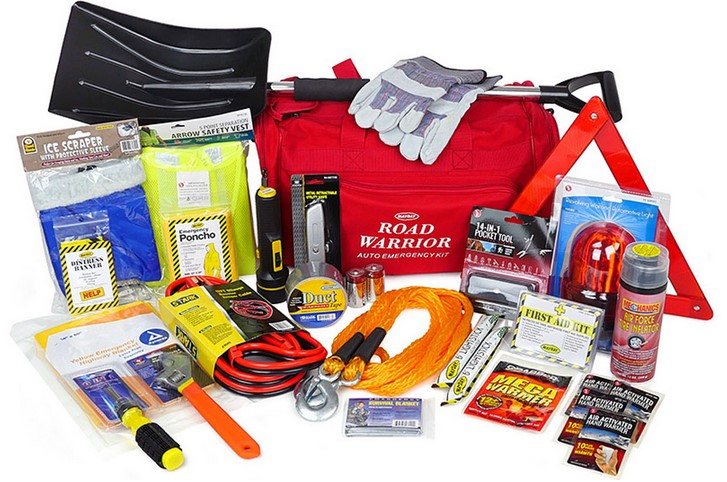
When off-roading in deep mud, it’s always a good idea to carry recovery gear such as tow straps, a winch, and a shovel. If you do get stuck, these tools can help you get back on the road. Having a second vehicle with you can also be invaluable for recovery.
2. Check the Weather
Heavy rain can make roads and trails in muddy areas even worse. Before heading out, make sure to check the weather forecast to avoid driving in conditions that might be too dangerous.
3. Know Your Vehicle’s Limits
Every vehicle has a limit in terms of what it can handle in off-road conditions. Familiarize yourself with your car’s off-road capabilities to avoid pushing it too far beyond its design.
In conclusion, how to safely drive in deep mud is all about preparation, technique, and patience. By following the tips outlined in this article, such as using the right tires, lowering tire pressure, engaging 4WD, and maintaining momentum, you can greatly increase your chances of safely driving through challenging muddy terrain. Always remember to drive at a steady speed, avoid sudden movements, and bring along the necessary recovery gear to ensure your safety. With these strategies, you’ll be ready to handle even the deepest mud with confidence.
How to Improve Car Acceleration: Performance Tips for More Speed

Source:https://www.chariotz.com
For many car enthusiasts and drivers, acceleration plays a significant role in how enjoyable a vehicle is to drive. Whether you’re merging onto highways, overtaking another car, or simply enjoying the thrill of a faster start from a red light, improving your car’s acceleration can enhance both performance and driving experience. How to improve car acceleration is a common question for those looking to upgrade their vehicles, whether they’re driving a daily commuter car or a performance-oriented sports car.
In this article, we’ll explore a variety of techniques and performance tips that can help you boost your car’s acceleration. From tuning the engine to optimizing weight distribution and making simple upgrades, these tips can make your car faster off the line. By the end of this guide, you’ll have a better understanding of how to improve your car’s acceleration and what modifications make the most significant difference.
Understanding Car Acceleration
Before diving into the tips for improving car acceleration, it’s important to understand what factors influence how quickly your car accelerates. The main elements that impact acceleration include engine power (horsepower and torque), transmission efficiency, weight, aerodynamics, and even tire grip. When you press the accelerator pedal, the engine needs to generate enough power to move your vehicle quickly. The faster the engine can deliver this power, the quicker your car will accelerate.
Key Factors Affecting Car Acceleration:
- Engine Power: More horsepower and torque typically result in faster acceleration, but these are not the only factors.
- Weight: The lighter the car, the faster it can accelerate because less force is required to move it.
- Transmission: The way a car shifts gears can either help or hinder its acceleration.
- Tires: Good tires with adequate grip allow for better traction during acceleration.
Now that we have a basic understanding of acceleration, let’s look at ways you can improve your vehicle’s performance.
Tips to Improve Car Acceleration
1. Upgrade the Air Intake System
One of the easiest and most effective ways to improve car acceleration is by upgrading your vehicle’s air intake system. The engine needs air to mix with fuel to produce power. By upgrading to a performance cold air intake, you can allow the engine to breathe better, which improves the combustion process.
Why it Works:
- A cold air intake system brings in cooler, denser air, which increases the amount of oxygen in the combustion chamber.
- More oxygen allows for better fuel combustion, leading to more power, which translates into quicker acceleration.
You can opt for a simple cold air intake replacement or consider a high-flow intake system for more significant performance gains.
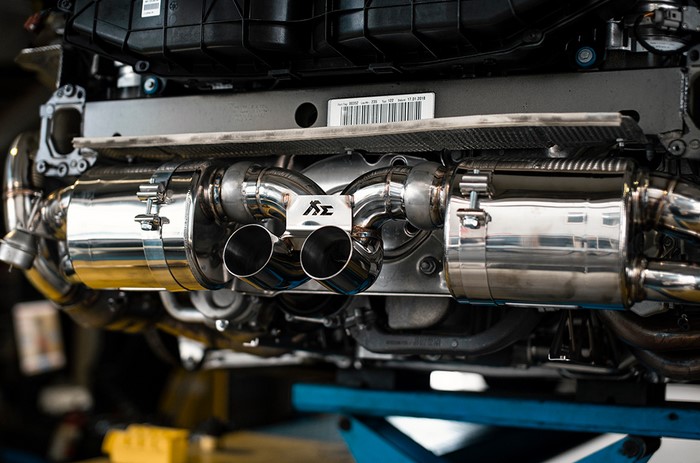
2. Install a High-Performance Exhaust System
A high-performance exhaust system can significantly enhance your car’s acceleration. The exhaust system helps expel gases from the engine, and a more efficient exhaust system allows these gases to exit faster, which improves engine efficiency and, consequently, acceleration.
Why it Works:
- A free-flowing exhaust reduces backpressure, which helps the engine release gases more quickly.
- Less backpressure means the engine can take in more air and fuel, which results in more power and a quicker acceleration.
An upgraded exhaust manifold, catalytic converter, or a performance exhaust system can all work together to improve your car’s ability to accelerate.
3. Optimize the Car’s Weight
In the world of automotive performance, weight is a key factor. The more your car weighs, the more power it needs to accelerate. This is especially true when you’re looking for fast acceleration from a stop. Reducing your car’s overall weight by removing unnecessary items or swapping out heavy components for lighter alternatives can make a noticeable difference.
Ways to Reduce Weight:
- Remove unnecessary items: Clear out your car’s trunk and backseat of heavy, non-essential items that can weigh down the vehicle.
- Lightweight components: Consider upgrading to lightweight wheels, carbon fiber body panels, or lightweight battery options. Lighter materials allow your car to accelerate faster because less energy is required to move it.
While weight reduction might not deliver the same performance boost as engine upgrades, it still makes a noticeable difference, especially in smaller cars.
4. Upgrade Your Car’s Tires
The tires are the contact point between your car and the road, and their quality significantly affects acceleration. Performance tires with a high tread rating and proper tire pressure can improve grip and reduce wheel spin, which is particularly important during rapid acceleration.
Why it Works:
- Performance tires have better traction, allowing more of the engine’s power to be transferred to the road.
- Proper tire pressure ensures that the tires have optimal contact with the ground, allowing for maximum acceleration.
If you’re serious about improving acceleration, invest in high-performance tires that are designed for speed and grip. Tires designed for track or street performance can have a significant impact on your car’s ability to accelerate quickly.
5. Tune the Engine Control Unit (ECU)
The Engine Control Unit (ECU) plays a vital role in managing your car’s engine performance. By remapping or “tuning” the ECU, you can optimize the power delivery to improve throttle response, increase horsepower, and optimize acceleration. Many cars come with factory settings that are tuned for efficiency rather than performance, which means there’s room for improvement.
Why it Works:
- Remapping the ECU allows the engine to perform at its best by optimizing fuel mixture, ignition timing, and throttle sensitivity.
- A properly tuned ECU can release untapped power, leading to better acceleration.
For some vehicles, an ECU tuning chip or a performance chip is an easy-to-install modification that can drastically improve acceleration. However, make sure that tuning your ECU is done correctly to avoid engine damage or voiding your warranty.
6. Upgrade the Transmission
The transmission plays a critical role in how efficiently power is transferred from the engine to the wheels. If your transmission is not shifting quickly or efficiently, it could be slowing down your car’s acceleration. Upgrading to a performance transmission or installing a short-shifter kit can improve gear-shifting speed, leading to faster acceleration.
Why it Works:
- A performance transmission allows for quicker gear changes, preventing power loss during the transition between gears.
- A short-shifter kit can reduce the time it takes to shift between gears, improving throttle response and overall acceleration.
If you drive a manual transmission, upgrading to a short-shifter kit can make a noticeable difference. For automatic transmissions, performance upgrades like a quick-shifting transmission can improve acceleration significantly.
Conclusion
In conclusion, how to improve car acceleration involves a combination of engine modifications, weight reduction, and optimizing the car’s tires, exhaust, and transmission. By focusing on these key areas—such as installing a cold air intake, upgrading the exhaust system, and fine-tuning the ECU—you can enhance your car’s performance and enjoy a quicker, more thrilling driving experience. Each of these upgrades will contribute to better power delivery, faster acceleration, and improved overall speed. Whether you’re looking for a small performance boost or a major upgrade, the right modifications will help you achieve your acceleration goals while maximizing your vehicle’s potential.