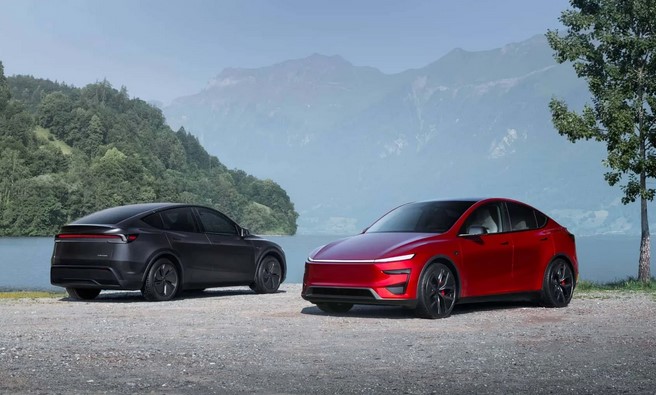
 Introduction to a Modern Electric SUV
The automotive industry has undergone significant transformation with the rise of electric vehicles, and one of the most influential models in this shift is the Tesla Model Y. Designed to combine the practicality of a compact SUV with the performance and efficiency of an electric powertrain, this vehicle has quickly become one of the most popular electric cars in the world. It offers advanced technology, impressive driving range, and a minimalist interior design that reflects the future of mobility.
As more consumers move toward environmentally friendly transportation, electric SUVs like the Tesla Model Y are gaining attention for their balance between sustainability and everyday usability. Unlike many traditional SUVs that rely on gasoline engines, this electric vehicle delivers instant acceleration, quiet operation, and lower long-term maintenance costs.
The Tesla Model Y also stands out for its advanced software features, over-the-air updates, and autonomous driving capabilities. These innovations help redefine the driving experience by combining automotive engineering with cutting-edge digital technology. For drivers seeking a vehicle that blends efficiency, technology, and versatility, this electric SUV offers a compelling solution.
Design and Interior Innovation
One of the most distinctive aspects of this electric SUV is its modern design. The exterior features smooth aerodynamic lines, a sleek roofline, and a minimalist front fascia without a traditional grille. This streamlined design is not only visually appealing but also helps improve energy efficiency by reducing air resistance.
The vehicle’s compact SUV proportions make it practical for families while maintaining a sporty appearance. Its elevated seating position provides good road visibility, and the large panoramic glass roof creates an open and spacious feel inside the cabin.
Minimalist Cabin and Smart Technology
Inside the vehicle, the interior design emphasizes simplicity and technology. Instead of multiple buttons and traditional instrument clusters, the dashboard is dominated by a large central touchscreen display. This screen controls nearly every function in the vehicle, including navigation, climate settings, entertainment, and vehicle information.
The minimalist layout creates a clean and uncluttered environment. High-quality materials and subtle design details contribute to a modern and comfortable cabin atmosphere.
Another notable feature is the flexible seating configuration. The rear seats can fold flat to expand cargo capacity, making the vehicle suitable for transporting larger items. Some versions also offer an optional third row, allowing the vehicle to accommodate up to seven passengers.
Storage space is another advantage of electric vehicle design. Because there is no conventional engine under the hood, the vehicle includes an additional front storage compartment often referred to as a “frunk.” Combined with the rear cargo area, this provides generous storage capacity for daily errands or road trips.
Advanced connectivity features also play an important role in the driving experience. Built-in navigation systems, streaming entertainment options, and smartphone integration make the vehicle feel more like a connected digital platform than a traditional car.
Performance and Driving Experience
Electric vehicles are often praised for their acceleration and smooth performance, and this SUV delivers impressive driving dynamics. Unlike gasoline engines that require time to build power, electric motors provide instant torque the moment the driver presses the accelerator.
This immediate power delivery results in quick acceleration and responsive handling. Even the standard versions of the vehicle provide strong performance, while performance-oriented variants can accelerate from zero to highway speeds in just a few seconds.
All-wheel-drive capability is available on many versions of the vehicle, using dual electric motors to distribute power between the front and rear wheels. This improves traction in challenging road conditions such as rain or snow.
The vehicle also features a low center of gravity due to its battery placement beneath the floor. This design enhances stability and cornering performance, making the driving experience feel balanced and controlled.
Another important advantage of electric vehicles is quiet operation. Without the noise and vibration of a combustion engine, the cabin remains calm and comfortable even during highway driving.
Regenerative braking technology also contributes to the driving experience. When the driver lifts their foot off the accelerator, the vehicle slows down while converting kinetic energy back into electrical energy stored in the battery. This process helps extend driving range and reduce wear on traditional brake components.
Battery Range, Charging, and Efficiency
Driving range is one of the most important considerations for electric vehicle buyers. This SUV offers competitive range capabilities depending on the model configuration and battery size.
Long-range variants are designed to travel hundreds of miles on a single charge, making them suitable for daily commuting as well as long-distance road trips. Efficient energy management systems and aerodynamic design help maximize battery performance.
Charging options are also an important part of the ownership experience. Drivers can recharge the vehicle using home charging systems or public charging stations. Home charging allows owners to conveniently charge the vehicle overnight, ensuring it is ready for use each day.
Fast-charging networks provide another option for longer journeys. High-speed chargers can restore a significant portion of the battery’s capacity within a relatively short time, making electric road trips more practical than ever before.
Another advantage of electric vehicles is reduced maintenance requirements. Without components such as engine oil systems, exhaust systems, and traditional transmissions, there are fewer parts that require regular servicing. This can help lower maintenance costs over the life of the vehicle.
Safety and Driver Assistance Features
Safety technology is a key focus of modern electric vehicles. Advanced driver assistance systems help support drivers during various road conditions and traffic situations.
These systems may include adaptive cruise control, lane-keeping assistance, collision warning systems, and automatic emergency braking. Together, these technologies enhance driver awareness and help reduce the risk of accidents.
Over-the-air software updates also allow the vehicle’s safety systems and performance features to improve over time. Instead of requiring dealership visits for software upgrades, new features and improvements can be delivered directly to the vehicle through wireless updates.
The vehicle’s structural design also contributes to safety. Electric vehicle platforms often include reinforced battery protection and strong crash structures designed to absorb impact energy.
Electric vehicles continue to reshape the future of transportation, and the Tesla Model Y represents one of the most successful examples of this transition. By combining the practicality of a compact SUV with advanced electric technology, the vehicle delivers strong performance, impressive range, and a modern digital driving experience. Its minimalist interior, innovative software features, and efficient electric powertrain make it appealing to drivers seeking both sustainability and convenience. As electric mobility continues to expand worldwide, the Tesla Model Y stands as a powerful example of how technology and design can redefine what drivers expect from a modern vehicle.


 In the rapidly evolving world of hybrid and electric vehicles, consumers are increasingly looking for the longest-range hybrids to combine the best of both worlds: the fuel efficiency of electric driving with the convenience of a gasoline engine for longer trips. As automakers innovate and improve battery technology, the range of hybrid vehicles continues to expand, allowing drivers to travel farther on electric power alone before the gasoline engine kicks in. This development addresses one of the primary concerns with traditional hybrids and plug-in hybrids — the range anxiety that often comes with electric-only driving.