Monthly Archives: July 2025
How to Prevent Rust on a Car: Protection Tips for Longevity

Source:https://rustcheck.com
Rust is a car owner’s worst enemy. Not only does it affect the appearance of your vehicle, but it also compromises its structural integrity and resale value. How to prevent rust on a car is a question that every driver should ask, especially if they live in regions where exposure to road salts, moisture, and harsh weather is common. Fortunately, preventing rust is not as complicated as it seems. By taking proactive steps to protect your car’s body and regularly maintaining key areas, you can ensure your vehicle remains rust-free for years to come. In this article, we will explore various methods and tips to protect your car from rust and maintain its longevity.
Why Rust Forms on a Car
The Science of Rust Formation
Rust forms when iron or steel reacts with oxygen and moisture, creating a chemical compound known as iron oxide. This process, also known as oxidation, is accelerated by factors like exposure to water, salt, and chemicals. For vehicles, this process typically begins when paint chips, scratches, or other damage exposes the metal body to the elements. Once the protective paint or coating is breached, the underlying metal becomes vulnerable to corrosion, especially in areas where moisture can accumulate, such as the wheel wells, undercarriage, and door panels.
Salt, commonly used on roads in colder climates during the winter months, is a significant contributor to rust. Salt accelerates the corrosion process by attracting and holding moisture against the car’s body, which in turn increases the rate of oxidation. If not addressed, rust can spread quickly, affecting not only the exterior appearance but also critical structural components, such as the frame and suspension.
High-Risk Areas for Rust
Certain areas of a car are more susceptible to rust. These include:
- Undercarriage: The undercarriage of your car is constantly exposed to dirt, water, and road salts. Over time, this can cause rust to form in areas such as the exhaust system, suspension components, and the frame.
- Wheel Wells: The wheel wells are another high-risk area since they often collect dirt, mud, and water. Even a small chip in the paint can lead to rust formation in these parts.
- Door Jambs and Seals: Doors, windows, and seals are prone to wear, which can expose the metal to moisture. Improper sealing can trap water inside the door panels, which leads to rust.
- Hood and Trunk Areas: Like the doors, the areas around the hood and trunk are vulnerable, especially in climates with heavy rainfall or snowfall. Any small crack in the paint can allow water to seep in and cause rust.
How to Prevent Rust on a Car: Practical Protection Tips
1. Regular Washing and Cleaning
One of the most important things you can do to prevent rust on a car is to regularly wash it, especially during the winter months. Road salts and grime can quickly accumulate on your car’s surface, and if left unwashed, they can lead to rust formation. This is particularly important for areas like the undercarriage, wheel wells, and areas under the door sills.
During the colder months, it’s essential to wash your car every few days if possible. Use a pressure washer to remove salt deposits, dirt, and other debris. Focus on the undercarriage, as this area is most exposed to harmful elements. For a deeper clean, use a car wash that also offers an underbody spray to wash away any accumulated dirt and salt.
2. Applying a Protective Coating
A key strategy in rust prevention is to apply a protective coating to your car. Many car owners opt for rust-proofing sprays or coatings that help to create a barrier between the metal and the elements. These products can be applied to the undercarriage, wheel wells, and any other areas that are prone to rust.
There are two main types of protective coatings:
- Oil-based Rust Inhibitors: These sprays create a thin, oily film on the car’s body that repels moisture and prevents rust from forming. They are often applied to the undercarriage, wheel wells, and door panels. While effective, oil-based treatments may require reapplication every year.
- Rubberized Coatings: These coatings are thicker and more durable than oil-based products. They create a hard, rubber-like barrier that helps protect against both rust and physical damage. However, they can be more difficult to remove, which makes it important to use them carefully.
Many professionals recommend having a rust-proofing treatment applied annually, especially if your car is exposed to harsh weather conditions.
3. Touch Up Chips and Scratches Immediately
It’s inevitable that your car will get the occasional rock chip or scratch. However, it’s important to address these imperfections as soon as possible to prevent rust from forming. When the paint is chipped or scratched, it exposes the metal underneath, allowing moisture to reach the raw metal and begin the rusting process.
You can use touch-up paint kits, which are available for most car makes and models, to cover any small imperfections in the paint. By sealing these exposed areas with paint, you provide a protective barrier against moisture and prevent rust from setting in. Make sure to follow the instructions carefully and apply the paint in thin layers for the best results.
4. Regularly Inspect Drainage and Seals
Ensure that your car’s drainage systems and seals are functioning properly. Over time, seals around doors, windows, and the trunk can wear out, allowing moisture to seep into the interior and cause rust. Inspect rubber seals and gaskets regularly for cracks or damage and replace them if needed.
Additionally, check the car’s drainage channels to ensure they are clear of dirt and debris. Many cars have drainage holes in the door sills, windshield, and undercarriage that allow water to flow out. If these holes become clogged, water can accumulate and cause rust in hidden areas.
5. Use a Car Cover
If you live in an area with harsh weather conditions or frequently park your car outdoors, investing in a high-quality car cover can significantly help prevent rust. A car cover protects your vehicle from rain, snow, UV rays, and other environmental factors that contribute to rust formation. It’s especially important if you don’t have access to a garage or parking structure.
Choose a breathable car cover that allows moisture to escape while still providing a protective barrier. Avoid using plastic covers, as they can trap moisture against the car’s surface and actually contribute to rust formation.
6. Store Your Car in a Garage
When possible, store your car in a dry, enclosed space such as a garage. This prevents exposure to rain, snow, and ice, which are primary contributors to rust. If a garage is not available, try to park your car in a sheltered area to minimize exposure to the elements.
Knowing how to prevent rust on a car is essential for maintaining the longevity and appearance of your vehicle. By following these tips—regularly washing your car, applying protective coatings, touching up scratches, maintaining seals, and storing your car properly—you can prevent rust from forming and keep your vehicle looking great for years to come. Preventing rust isn’t a one-time task; it requires ongoing maintenance and care. With the right protection and attention, you can ensure that your car remains rust-free, preserving both its value and aesthetic appeal.
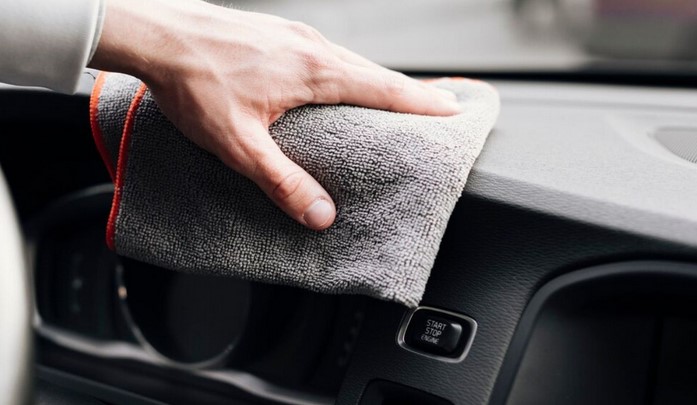
Best Microfiber Towels for Detailing: Keep Your Car Spotless

Source:https://motoraxle.com
When it comes to car detailing, one of the most important tools in your arsenal is the humble microfiber towel. Whether you’re wiping down the interior, polishing the paintwork, or drying your vehicle after a wash, choosing the best microfiber towels for detailing can make all the difference. These towels are designed to lift dirt, grime, and moisture without scratching or leaving streaks, making them ideal for maintaining the pristine look of your car. In this article, we’ll dive into what makes the best microfiber towels for detailing, key features to look for, and our top recommendations for keeping your vehicle spotless.
What Makes Microfiber Towels Ideal for Detailing?
The Technology Behind Microfiber
Microfiber towels are made from tiny synthetic fibers that are finer than human hair, which gives them the ability to trap and absorb more dirt and liquid than regular cotton towels. The individual fibers in microfiber are split during production, increasing their surface area, allowing them to capture dust, debris, and moisture more effectively. This makes microfiber towels ideal for delicate tasks like car detailing, where precision and care are essential.
Moreover, microfiber towels are extremely soft and gentle, ensuring that you don’t accidentally scratch your car’s paint. Unlike other fabrics, microfiber can absorb liquids up to seven times its weight, making them highly efficient for drying and polishing. Whether you’re drying off your car after a wash or buffing a coat of wax, microfiber towels provide the perfect balance between absorbency and gentle care.
The Importance of Choosing the Right Towel
Not all microfiber towels are created equal. Some are designed for heavy-duty jobs like scrubbing or cleaning, while others are more suitable for delicate tasks such as polishing or wiping down sensitive surfaces. When shopping for best microfiber towels for detailing, it’s crucial to choose towels that match the specific tasks you plan to tackle. For example, a towel that works well for drying the car after a wash might not be the best choice for buffing a polish or applying wax.
Additionally, the quality of the microfiber material can vary greatly from one towel to another. Towels with a higher GSM (grams per square meter) typically offer greater absorbency, making them perfect for drying large areas or cleaning up spills. Towels with lower GSM, on the other hand, are lighter and better suited for polishing or applying detail sprays.
Key Features to Consider When Choosing the Best Microfiber Towels for Detailing
1. Material Composition and GSM Rating
As mentioned earlier, the GSM rating of a microfiber towel is an important factor when determining its absorbency and softness. Towels with a higher GSM (typically 300-800) are thicker and more absorbent, making them ideal for drying or removing wax and polish. On the other hand, lower GSM towels (200-300) are usually thinner, lighter, and more suited for tasks like wiping down the dashboard or buffing.
When shopping for best microfiber towels for detailing, it’s important to choose a towel with the appropriate GSM for the task at hand. For drying your car, for instance, you’ll want a higher GSM towel for maximum absorbency. However, for buffing or applying a finish, a towel with a lower GSM is usually preferred as it offers a gentler touch and better precision.
2. Size and Shape
The size and shape of the towel also play a significant role in its effectiveness. Larger towels are great for covering a broader area, such as drying the exterior of your car after a wash. Smaller towels, on the other hand, are perfect for detailing the interior, getting into small crevices, or wiping down the dashboard and trim.
When selecting a microfiber towel for detailing, consider the surface area you’ll be working with. A 16×16-inch towel is a common size for general use, while larger towels like 20×30 inches are better suited for drying larger surfaces. Additionally, consider whether you need a towel with stitched edges to prevent fraying or if a simple edge-less design will suffice.
3. Edge Design
Microfiber towels come with various edge designs, such as stitched edges or edge-less construction. Edge-less towels are often favored for car detailing because they are less likely to scratch or damage the car’s surface, especially when polishing or applying a coat of wax. On the other hand, towels with stitched edges can be more durable, making them suitable for heavy-duty tasks like washing or scrubbing.
4. Durability and Reusability
Microfiber towels are known for their durability and longevity. However, the best microfiber towels for detailing will stand the test of time, maintaining their softness and effectiveness even after numerous washes. Look for towels that are machine washable and retain their absorbency and softness over time. Avoid using fabric softeners when washing microfiber towels, as they can reduce their effectiveness by coating the fibers.
5. Color and Texture
While the color of the towel doesn’t necessarily impact performance, it’s a practical consideration when organizing your detailing supplies. Different colors can be used for different purposes, ensuring that you don’t accidentally use a towel that’s meant for the wheels on your car’s paint. Some detailers prefer darker colors for dirty tasks and lighter colors for polishing or buffing.
The texture of the towel can also vary, with some featuring plush, soft surfaces for gentle polishing and others having a more textured surface for scrubbing or applying detail sprays. Choose a texture that suits your specific detailing needs.
Top 3 Best Microfiber Towels for Detailing
1. The Chemical Guys Miracle Dryer Towel
When it comes to best microfiber towels for detailing, the Chemical Guys Miracle Dryer Towel is a top choice for many detailers. This towel boasts a high GSM rating of 1,000, making it incredibly absorbent and perfect for drying your car after a wash. Its extra-large size (26×36 inches) ensures that you can cover a large area quickly and efficiently, while its ultra-soft material prevents any scratching or swirling on your vehicle’s surface. The towel’s plush design can absorb up to 10 times its weight in water, making it a must-have for anyone looking to dry their car effortlessly.
2. The Rag Company Edgeless 365 Microfiber Towel
For those who prefer edge-less microfiber towels, the Rag Company Edgeless 365 is a fantastic option. This towel features a low GSM rating of 365, making it lightweight and perfect for tasks such as polishing and buffing. The plush, smooth surface ensures a swirl-free finish, while its durability allows it to be used for a variety of detailing tasks. With a soft texture and the ability to hold onto dirt without scratching, this towel is versatile and gentle enough for use on sensitive car surfaces.
3. Meguiar’s X2020 Supreme Shine Microfiber Towels
Meguiar’s is a trusted name in car detailing, and their X2020 Supreme Shine Microfiber Towels are among the best microfiber towels for detailing available today. These towels feature a high GSM rating of 300, making them soft, absorbent, and great for removing wax or polishing your car’s surface. Their large 16×24-inch size allows you to tackle larger areas, while the double-sided design offers two textures for both delicate tasks and more rugged cleaning. Meguiar’s towels are also incredibly durable, ensuring that they’ll last for many detailing sessions.
Choosing the best microfiber towels for detailing is essential to maintaining the appearance and cleanliness of your vehicle. Whether you’re drying, polishing, or buffing, the right microfiber towel will help you achieve a spotless finish without causing any damage to your car’s surface. By considering factors like material composition, GSM rating, size, and durability, you can select the ideal towels for your needs. The Chemical Guys Miracle Dryer, Rag Company Edgeless 365, and Meguiar’s Supreme Shine are all excellent options to keep your car looking flawless, providing the perfect balance of absorbency, softness, and performance.
NASCAR vs. IndyCar: How These Racing Series Compare

Source:https://images.drive.com.au
When it comes to high-speed racing, few sports command as much attention as NASCAR vs. IndyCar. Both are premier motorsport series in the United States, but they offer distinct experiences for fans, drivers, and teams alike. From the cars themselves to the tracks they race on, the racing formats, and the fan bases they attract, these two series offer vastly different worlds of competition. While NASCAR focuses on stock car racing and typically races on ovals, IndyCar is known for its open-wheel cars and variety of racing venues. In this article, we’ll explore how NASCAR vs. IndyCar compares, shedding light on the key differences that set these two legendary motorsports apart.
The Cars: Stock Cars vs. Open-Wheel Cars
NASCAR: The Stock Car Legacy
NASCAR’s foundation lies in stock car racing, where heavily modified cars resembling standard vehicles are used on the track. These cars are designed to be more durable and less aerodynamic, emphasizing high-speed racing and close contact among competitors. NASCAR cars are heavier, have a more rigid chassis, and feature full fenders that provide greater protection to the drivers in the event of a crash. The engines used in NASCAR cars are typically V8 engines, producing upwards of 750 horsepower, allowing these stock cars to hit speeds of 200 mph on oval tracks.
Despite their “stock” car appearance, these vehicles are far from ordinary. NASCAR cars undergo extensive modifications to handle the grueling conditions of oval tracks, where they often run in tight packs at high speeds for hundreds of miles. The aerodynamics of the car are designed for high-speed stability, but unlike IndyCar, NASCAR cars are less focused on precise handling and more on durability and maintaining speed.
IndyCar: The Precision of Open-Wheel Racing
On the other hand, IndyCar’s open-wheel race cars are designed for precision handling, speed, and maneuverability. These cars are built to be lightweight, with a carbon-fiber chassis that helps to achieve a much lower weight than NASCAR vehicles. The wheels are exposed and have no fenders, a feature that contributes to a car that is not only lighter but also far more agile on a variety of different racing surfaces.
IndyCars are powered by turbocharged engines, typically producing between 550 to 700 horsepower, depending on the type of track. They are known for their high aerodynamic performance, making them capable of achieving speeds that match or even exceed those of NASCAR, especially on road courses or ovals with large straightaways. The key difference here is the level of control; while NASCAR cars are designed for durability and managing close contact, IndyCars prioritize precise handling and cornering ability, especially on complex road courses.
The Tracks: Oval vs. Road Racing
NASCAR: A Focus on Oval Tracks
NASCAR’s hallmark is its racing on oval tracks, often referred to as “super speedways.” These tracks can range from short tracks like Bristol (0.5 miles) to massive superspeedways like Daytona (2.5 miles). Oval racing is the core of NASCAR, and it’s where much of the action happens. The layout of the tracks doesn’t change much, which allows drivers to focus on maintaining speed, strategizing pit stops, and adapting to changing weather conditions. Oval races often see multiple cars grouped together, making the racing more contact-heavy and requiring precision in drafting and positioning.
In addition to oval tracks, NASCAR also races on road courses, but these make up a smaller portion of the calendar compared to the traditional oval races. Road courses, with their sharp turns and elevation changes, require a different skill set than oval racing, but they are still a rarity in the NASCAR schedule.
IndyCar: Versatility in Road, Street, and Oval Racing
In contrast, IndyCar features a diverse selection of tracks, including oval tracks, road courses, and temporary street circuits. The variety of tracks challenges the drivers to adjust their driving style, making IndyCar racing a true test of versatility. On ovals like the Indianapolis Motor Speedway, IndyCar cars race at incredibly high speeds, often reaching over 230 mph during the famous Indy 500. The nature of these races is more similar to NASCAR, with high-speed drafting and tight pack racing.
However, the addition of road courses and street circuits, such as the Grand Prix of Long Beach or Circuit of the Americas, makes IndyCar a more versatile series. Road courses are characterized by sharp corners, hairpin turns, and elevation changes, making them technical tracks that require significant skill in braking, accelerating, and cornering. The presence of these diverse track types forces drivers to adapt their strategies and driving techniques more frequently than in NASCAR, where the racing is primarily confined to ovals.
The Racing Format: Strategy, Speed, and Pit Stops
NASCAR: Endurance and Strategy
NASCAR races are typically much longer than IndyCar races, often lasting 3-4 hours and covering up to 500 miles. The endurance factor plays a significant role in the overall strategy. Pit stops in NASCAR involve changing all four tires, refueling, and making adjustments to the car to optimize performance throughout the race. Because of the high number of laps and frequent pit stops, race strategy becomes incredibly important. Teams work to find the best pit strategy, which often includes deciding when to pit for fresh tires, refuel, or adjust the car’s setup based on track conditions.
Another unique aspect of NASCAR is the presence of a “drafting” strategy, where cars position themselves closely behind others to reduce aerodynamic drag, allowing them to increase speed. This strategy is critical on superspeedways like Daytona or Talladega, where high-speed drafting can be the difference between winning or losing the race.
IndyCar: Precision and Technical Skill
IndyCar races are typically shorter, often around 200 to 250 miles, with race durations ranging from 2 to 3 hours. The strategy in IndyCar races revolves around pit stops, tire management, and managing fuel usage. Unlike NASCAR, where pit stops focus heavily on tire changes and fuel, IndyCar pit stops are incredibly precise and are often quicker due to their smaller tires and more streamlined process.
Fuel strategy is also a critical aspect in IndyCar, as teams must carefully manage fuel usage to ensure they can finish the race without having to stop for an extra pit. Precision in braking, cornering, and acceleration are all vital, and drivers must adjust their driving style depending on the track conditions and the type of car setup they’ve selected.
While both NASCAR and IndyCar provide adrenaline-fueled racing excitement, they do so in very different ways. NASCAR vs. IndyCar comes down to the style of racing, the cars, and the tracks. NASCAR offers endurance, high-speed oval racing, and a more intense focus on strategic pit stops and car durability. On the other hand, IndyCar delivers versatility with a mix of road courses, street races, and ovals, where precision, agility, and adaptability are key to success. Each series has its own appeal, and fans of both racing styles enjoy their respective challenges, thrills, and innovations. Whether you’re a fan of NASCAR’s thrilling pack racing or IndyCar’s technical road racing, both motorsport giants offer an unforgettable experience for motorsport enthusiasts.
Top Exotic Cars Available for Daily Rental in Tampa
Tampa is the perfect place to show off speed and style. Whether you’re a local or just visiting, renting an exotic car for the day is a fun way to enjoy the city. Here are some of the top exotic cars you can rent in Tampa—and why Energetic Exotics should be your first choice.
1. Lamborghini Huracán Evo Spyder
The Huracán Evo Spyder is a head-turner. With a powerful V10 engine and a sleek, open-top design, this car offers a thrilling ride. It’s perfect for sunny Tampa streets.
2. McLaren 720S
The McLaren 720S is built for speed. With a twin-turbo V8 engine and a smooth, sporty design, it’s made for those who want serious performance and style.
3. Ferrari 812 Superfast
This Ferrari is all about power. The 812 Superfast has a strong V12 engine and sharp looks. It’s fast, bold, and exciting to drive.
4. Porsche 911 GT3
Known for its sharp handling and smooth ride, the Porsche 911 GT3 is a great choice for anyone who loves control and speed. It’s sporty yet still comfortable.
5. Audi R8 V10 Plus
The Audi R8 V10 Plus blends luxury and power. With a stylish design and fast performance, it’s a favorite for those who want both comfort and thrill.
Why Choose Energetic Exotics?
Energetic Exotics offers some of the best exotic car rentals in Tampa. Their fleet includes top brands like Lamborghini, McLaren, Porsche, and Ferrari. Every car is well cared for and ready to drive. The team is friendly, professional, and makes sure your rental experience is easy and smooth.
Whether you want a car for a special event, a fun weekend, or just to enjoy something different, Energetic Exotics has you covered.
How to Rent an Exotic Car in Tampa
- Pick Your Car – Choose from top luxury brands.
- Select a Plan – Most rentals are by the day or week.
- Check for Deals – Ask about discounts and mileage limits.
- Set Delivery – Have the car brought to your home, office, or the airport.
Ready to cruise Tampa in style? Call Energetic Exotics today to book your dream car and turn an ordinary day into something unforgettable!
This post was written by a professional at Energetic Exotics. https://www.energeticexotics.com/ brings the thrill of luxury driving to Central and South Florida, offering an elite selection of exotic and high-end vehicles. From the vibrant streets of Miami to the scenic drives of Tampa Bay, our fleet includes prestigious brands like Lamborghini, Bentley, and Ferrari, ensuring an unparalleled driving experience. More than just transportation, renting an exotic car enhances every moment—whether arriving by private jet, staying in a waterfront mansion, or cruising past iconic cityscapes. Elevate your journey with style, power, and sophistication. Whether for business, leisure, or celebration, make every drive extraordinary with Energetic Exotics.
Sand Dune Off-Roading: Tips for Conquering the Desert
Sand dune off-roading is one of the most exhilarating and challenging forms of off-road driving. The sheer beauty of the desert landscape combined with the thrill of navigating steep dunes, deep sand, and vast open spaces makes it a unique adventure for those seeking excitement and a deep connection with nature. However, conquering the desert’s sandy terrain requires more than just a powerful vehicle; it demands knowledge, skill, and the right preparation. Whether you’re an experienced off-roader or a beginner, this guide will provide essential tips for mastering sand dune off-roading, ensuring you have a safe and enjoyable experience.
Understanding the Challenges of Sand Dune Off-Roading
The Nature of the Terrain
Unlike rocky or muddy terrains, sand dunes present their own set of challenges for off-roaders. The sand is soft, and the surface can change with the wind, making it difficult to predict how your vehicle will behave. Navigating steep dunes requires a balance between speed and control, as well as a keen understanding of your vehicle’s capabilities. For instance, the pressure from the sand can cause tires to sink, making it harder for the vehicle to maintain momentum.
The constantly shifting environment in the desert also means you’ll have to deal with loose terrain, narrow tracks, and unpredictable conditions. The risk of getting stuck in soft sand is high, but with the right techniques, you can reduce the chances of becoming immobilized and maximize your enjoyment of the journey.
Vehicle Considerations
The vehicle you use for sand dune off-roading is just as important as your skills. Ideally, you’ll want a 4×4 with high ground clearance and wide tires to maintain traction on the soft sand. Many off-road enthusiasts prefer vehicles with four-wheel drive (4WD) systems that offer the necessary power and control to navigate dunes. Popular choices include trucks like the Toyota Land Cruiser, Ford Bronco, and the Jeep Wrangler, which are designed to handle the unique demands of desert terrain.
However, regardless of how capable your vehicle is, it’s important to ensure it’s equipped with the right tires for sand. Regular road tires won’t provide the necessary traction, so investing in sand-specific tires or off-road tires with a wider footprint is essential. These tires help spread the weight of the vehicle more evenly over the sand, reducing the likelihood of getting stuck.
Essential Tips for Sand Dune Off-Roading Success
1. Use the Right Gear and Adjustments
Before you head out to tackle the dunes, ensure that your vehicle is properly prepared for sand dune off-roading. This involves making adjustments to the vehicle’s tire pressure, gear settings, and other essential components.
Tire Pressure
One of the first things to adjust is your tire pressure. Inflating your tires to lower pressure—usually between 15-18 psi—allows the tires to “float” over the sand instead of digging into it. This creates a larger contact area, which is crucial for maintaining traction. However, be cautious about lowering the pressure too much, as this can lead to a risk of the tire coming off the rim. Always check the manufacturer’s recommendations for tire pressure for sand driving.
Four-Wheel Drive Mode
Make sure your vehicle is in 4WD mode, which ensures that all four tires receive power. This is particularly useful when driving up steep dunes or across soft, deep sand. Many modern vehicles come equipped with different 4WD modes (such as sand mode), which optimize the vehicle’s traction for desert conditions.
Avoid High RPMs
It may seem counterintuitive, but it’s important not to rev the engine too high when traversing sand dunes. High RPMs can cause the wheels to spin too quickly, which will dig deeper into the sand and could result in getting stuck. Instead, aim for steady, consistent acceleration, which will allow your vehicle to move smoothly across the surface.
2. Mastering Dune Navigation Techniques
Successfully navigating sand dunes requires an understanding of the proper techniques for driving on soft terrain. Here are some key skills to master:
Riding the Crest of the Dune
When driving up a sand dune, it’s essential to keep a steady speed. If you lose momentum halfway up, you could get stuck and face a challenging recovery process. Always aim to crest the dune in a controlled manner, maintaining your speed and using your vehicle’s power to push through soft patches. However, avoid sudden acceleration or jerking the wheel, as this can cause the wheels to spin and lose traction.
Downhill Descents
Going downhill on a sand dune can be just as tricky as going uphill. When descending, always ensure that you have enough space to stop at the bottom in case the sand gets soft. Use engine braking to slow the vehicle rather than relying solely on your brake pads. This prevents your wheels from locking and skidding, which can cause you to lose control.
Turning on Sand
Turning on soft sand can be tricky because the sand offers less traction than solid ground. It’s important to turn gently and avoid sharp, aggressive movements. If you’re driving on a flat stretch of sand, take wide, gradual turns. If you need to make sharp turns, reduce your speed to avoid the vehicle digging into the sand.
3. Safety Considerations for Sand Dune Off-Roading
While sand dune off-roading can be a thrilling adventure, it’s important to prioritize safety to ensure a successful and enjoyable experience.
Stay on Designated Trails
Desert ecosystems are fragile, and it’s essential to respect the environment by staying on designated trails and paths. Straying off these routes can cause damage to the dunes and disturb local wildlife. Additionally, getting lost in vast, open desert areas can be dangerous, so stick to well-marked routes.
Bring Recovery Gear
Even the most skilled off-roaders occasionally get stuck. To minimize frustration, always carry recovery gear, such as a shovel, recovery straps, and a high-lift jack. Sand ladders or traction mats are also highly recommended, as they can help you get unstuck in deep sand without the need for a tow.
Stay Hydrated
Desert conditions can be extremely hot, and staying hydrated is crucial for your health and safety. Always carry plenty of water with you, especially if you’re venturing into remote areas where water sources are scarce. Dehydration can impair your ability to think clearly and act quickly, which is essential when you’re off-roading in challenging conditions.
Sand dune off-roading offers a unique thrill for adventure seekers, but it also comes with its challenges. From vehicle preparation and proper tire pressure to mastering the right driving techniques, successful dune navigation requires skill, attention, and respect for the terrain. By following the tips outlined in this guide, you can safely and effectively conquer the desert landscape, ensuring an unforgettable experience. Whether you’re an experienced off-roader or new to the sport, sand dune off-roading is an adventure worth pursuing, offering excitement and exploration in one of nature’s most beautiful and harsh environments.