Monthly Archives: December 2025
Replace Windshield Wipers: A Simple Guide for Clear Vision

Source:https://img.baba-blog.com
Maintaining clear visibility while driving is essential for safety, and knowing when and how to replace windshield wipers is a critical part of vehicle maintenance. Worn or damaged wipers can significantly reduce visibility during rain, snow, or fog, increasing the risk of accidents. Despite their importance, many drivers overlook their wipers until performance issues arise. This guide provides a comprehensive overview of why wipers fail, how to identify when it’s time to replace them, and step-by-step instructions for ensuring a streak-free windshield. By understanding proper maintenance and replacement techniques, drivers can enhance both safety and driving comfort.
Understanding Windshield Wipers and Their Function
Windshield wipers play a fundamental role in safe driving by clearing rain, snow, and debris from the windshield. The wiper system consists of a combination of components that work together to maintain clear vision:
- Wiper Blades: Made of rubber or silicone, blades make direct contact with the glass to remove moisture and debris
- Wiper Arms: Metal or composite arms hold the blades and move them across the windshield using a motor-driven mechanism
- Wiper Motor and Linkage: This mechanism provides the power and motion necessary to move the wiper blades at adjustable speeds
Over time, wiper blades degrade due to exposure to sunlight, extreme temperatures, and dirt. Rubber can crack or harden, while silicone may wear unevenly, leading to streaking or incomplete wiping. Understanding these components helps drivers diagnose issues and determine when it is time to replace the blades.
Signs That You Need to Replace Windshield Wipers
Recognizing the signs of worn wipers is essential to maintain optimal visibility. Common indicators include:
- Streaking or Smearing: When blades leave streaks or fail to clear water completely, it signals worn rubber
- Chattering or Skipping: Blades that chatter or skip across the glass indicate improper contact or hardened material
- Squeaking Noise: Continuous squeaks during operation may be due to hardened rubber or debris caught in the blade
- Visible Damage: Cracks, tears, or missing sections of rubber are clear signs that replacement is necessary
Regular inspection of wiper blades—ideally every six months—ensures they remain effective, particularly before the rainy or winter seasons when visibility is most critical.
How to Replace Windshield Wipers
Replacing windshield wipers is a straightforward process that requires minimal tools and can be completed in a few minutes. Follow these steps for a safe and effective replacement:
1. Identify the Correct Wiper Size
Check the vehicle’s owner manual or measure existing blades to determine the correct size. Many vehicles use different sizes for the driver and passenger sides, so accurate measurements are essential.
2. Remove the Old Wipers
Lift the wiper arm away from the windshield until it locks in a raised position. Locate the release mechanism, usually a small tab or button where the blade connects to the arm. Press the tab and slide the blade off the arm carefully to avoid scratching the windshield.
3. Install the New Blades
Align the new blade’s connector with the wiper arm and slide it into place until it clicks securely. Lower the arm gently back onto the windshield to prevent bending or damaging the arm.
4. Test the New Wipers
Turn on the wipers and apply washer fluid to the windshield. Ensure smooth, streak-free operation. If the blades skip or chatter, double-check that they are installed correctly and that the windshield is clean.
5. Maintenance Tips
To prolong the life of new wiper blades:
- Clean the blades and windshield regularly to remove dirt and debris
- Avoid using wipers on a dry windshield, as this accelerates wear
- Protect blades from prolonged sun exposure when possible, or use a wiper cover
Following these tips ensures optimal performance and extends the lifespan of replacement blades, reducing the frequency of future replacements.
Maintaining clear vision is a key safety measure, and knowing when to replace windshield wipers is an essential part of vehicle upkeep. Regular inspection, proper installation, and routine maintenance can prevent streaking, skipping, and visibility issues in adverse weather. By taking a proactive approach to wiper care, drivers enhance both safety and comfort on the road. Investing a few minutes in wiper replacement and upkeep can make a significant difference in driving confidence and overall road safety.
How to Start a Career in Motorsports: Pathways to Becoming a Pro Racer

Source:https://cdn.shopify.com
For many car enthusiasts, the dream of taking to the track as a professional driver is exhilarating. Knowing how to start a career in motorsports is the first crucial step toward turning that passion into a profession. A career in racing requires dedication, skill development, and a deep understanding of the industry. While the path can be challenging, aspiring drivers who strategically approach training, networking, and sponsorship opportunities can find success in the highly competitive world of motorsports. This article explores the essential steps, training opportunities, and career pathways that help individuals break into professional racing.
Understanding the Motorsport Landscape
Before committing to a racing career, it is important to understand the structure of the motorsport industry. Motorsports encompasses a variety of disciplines, including formula racing, touring cars, endurance racing, rallying, and off-road competitions. Each category has unique requirements in terms of skill, equipment, and licensing.
A few key aspects of motorsports to consider:
- Levels of Competition: Most drivers start in grassroots racing or amateur leagues before moving up to professional series. Understanding the hierarchy of competitions can help plan a realistic career trajectory.
- Licensing and Certification: Professional racing requires specialized licenses issued by motorsport governing bodies, such as the FIA (Fédération Internationale de l’Automobile) or national associations. These licenses often require passing tests and demonstrating competency in lower-tier competitions.
- Sponsorship and Funding: Motorsports is an expensive field. Securing sponsorships or financial backing is often critical to advancing from amateur to professional levels.
Understanding the industry landscape allows aspiring drivers to focus on the right training programs, competitions, and networking opportunities to accelerate their careers.
Training and Skill Development
1. Start Young and Gain Experience
While it is possible to start later in life, many successful professional drivers begin their racing journey in karting or other youth motorsport programs. Karting teaches essential skills such as vehicle control, racing strategy, and track awareness. Local and national karting competitions also provide exposure to scouts and professional teams.
2. Attend Racing Schools and Driver Development Programs
Formal racing education is a valuable tool for skill development. Reputable driving schools offer structured programs covering technical driving skills, racecraft, and vehicle dynamics. Many schools provide access to professional-grade vehicles, telemetry systems, and experienced instructors. Examples of top-tier programs include:
- Skip Barber Racing School
- Bondurant High-Performance Driving School
- BMW Performance Driving School
Driver development programs often extend beyond technical training, including mentorship, media training, and physical conditioning. A well-rounded program can prepare aspiring racers for the multifaceted demands of professional motorsports.
3. Physical and Mental Preparation
Success in motorsports is not just about driving talent; it requires peak physical and mental performance. Professional drivers maintain rigorous fitness routines, focusing on cardiovascular endurance, neck and core strength, and reaction speed. Mental training, including focus exercises, visualization techniques, and stress management, enhances decision-making under high-pressure racing conditions.
4. Gain Real-World Racing Experience
Participation in amateur races, club competitions, and track days helps develop practical experience. Drivers learn racecraft, overtaking strategies, and vehicle handling in real-world conditions. Networking within these events can also connect aspiring racers to mentors, sponsors, and team opportunities.
Career Pathways and Opportunities
Breaking into professional motorsports requires persistence and strategic career planning. There are several pathways that aspiring drivers can explore:
- Formula Racing Ladder: This pathway begins with karting, progresses to Formula 4, Formula 3, and eventually Formula 2, before reaching Formula 1. Each step involves mastering increasingly complex vehicles and higher levels of competition.
- Touring and GT Cars: Drivers interested in endurance racing, GT championships, or touring car series can focus on gaining experience in production-based cars and participating in regional championships.
- Rally and Off-Road Racing: Rally drivers often start in local rally competitions before advancing to national and international events. Technical driving skills and vehicle adaptability are crucial in this field.
- Motorsport Support Roles: For those looking to diversify within the industry, roles such as test drivers, simulator drivers, or engineering consultants provide alternative career paths while maintaining close involvement with racing teams.
Networking is also essential in motorsports. Building relationships with team managers, sponsors, and fellow drivers can open doors to testing opportunities, sponsorship deals, and team placements. Attending industry events, workshops, and racing expos can facilitate these connections.
Pursuing a career in racing demands passion, dedication, and a strategic approach to skill development and industry networking. Understanding how to start a career in motorsports involves gaining early experience, enrolling in professional driving programs, maintaining physical and mental fitness, and navigating the competitive pathways of professional racing. By committing to continuous learning and actively engaging with the motorsport community, aspiring drivers can transform their passion for speed into a rewarding professional career. Success in this field is not instantaneous, but with persistence and preparation, the dream of becoming a professional racer can become a reality.
Must-Have Car Emergency Kits: Essential Gear for Roadside Safety

Source:https://s3.amazonaws.com
When it comes to driving, preparation can mean the difference between a minor inconvenience and a serious emergency. Every vehicle owner should prioritize safety by carrying must-have car emergency kits, equipped to handle unexpected situations on the road. From flat tires to medical emergencies, a well-stocked kit ensures that drivers are ready to respond quickly and efficiently. This article explores the essential items every car emergency kit should include, tips for maintaining your kit, and additional tools that can enhance roadside safety for drivers of all experience levels.
Why Every Vehicle Needs an Emergency Kit
Unexpected events can occur at any time, whether it’s a sudden breakdown, severe weather, or an accident. Having a comprehensive emergency kit not only provides peace of mind but can also save lives. Modern vehicles often come with some basic emergency tools, but these are typically insufficient for serious situations.
A robust kit should address several critical areas:
- Safety: Items that protect you and your passengers from harm.
- Communication: Tools to contact help or signal for assistance.
- Survival: Supplies that ensure comfort and sustenance if stranded.
- Vehicle Recovery: Tools to handle minor repairs or get back on the road.
By combining these elements, drivers can be prepared for a wide range of scenarios, from minor inconveniences to life-threatening situations.
Essential Components of a Car Emergency Kit
1. Safety Gear
Safety should always come first when assembling a car emergency kit. Key items include:
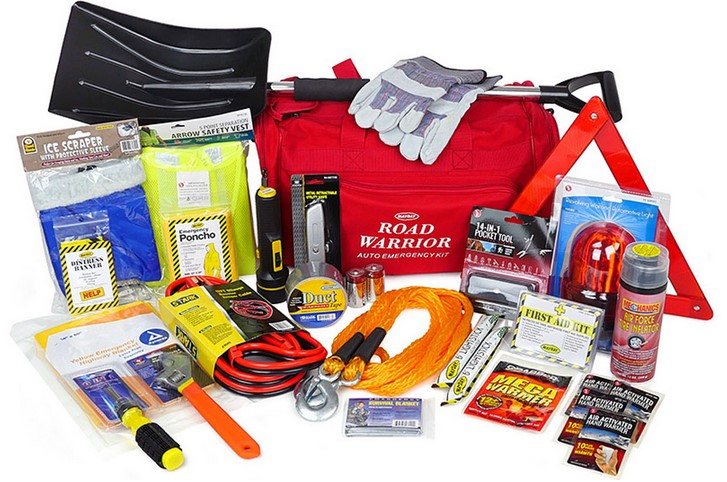
- First Aid Kit: A comprehensive kit should include bandages, antiseptic wipes, gauze, adhesive tape, scissors, and over-the-counter pain relievers. For extended travel, consider adding burn cream and a CPR face shield.
- Reflective Triangle and Flares: These items increase visibility if your car breaks down on the roadside, helping prevent accidents.
- Flashlight with Extra Batteries: Adequate lighting is essential for night-time emergencies or when inspecting your vehicle in low-light conditions.
- High-Visibility Vest: Wearing a reflective vest increases your visibility to passing drivers, particularly on highways.
2. Vehicle Recovery Tools
Being prepared for minor mechanical issues can prevent a small problem from becoming a major setback. Essential tools include:
- Jumper Cables or Portable Jump Starter: Dead batteries are one of the most common causes of roadside emergencies. Having the means to restart your vehicle is critical.
- Tire Repair Kit or Spare Tire: Flat tires are a frequent occurrence. A compact repair kit or a properly inflated spare ensures you can continue your journey safely.
- Basic Tool Kit: Screwdrivers, pliers, and adjustable wrenches allow you to address minor mechanical issues.
- Tow Strap or Rope: In situations where your vehicle needs to be moved or towed, a strong tow strap can be invaluable.
3. Communication and Navigation Aids
Maintaining contact and knowing your location are essential during roadside emergencies. Recommended items include:
- Charged Mobile Phone and Car Charger: Ensures you can call for help or use GPS navigation.
- Emergency Contact Numbers: Keep a written list of roadside assistance services, family contacts, and local authorities.
- Portable Power Bank: Provides additional charging options if your vehicle battery dies.
- Paper Maps: In areas with poor cell reception, maps are a reliable backup.
4. Survival Essentials
Depending on your travel environment, having supplies for sustenance and comfort is crucial:
- Bottled Water and Non-Perishable Snacks: Staying hydrated and maintaining energy can be critical, especially during long waits for help.
- Blanket or Thermal Emergency Blanket: Keeps passengers warm in cold weather or during night-time emergencies.
- Rain Poncho or Extra Clothing: Protects against exposure to harsh weather conditions.
- Multipurpose Utility Knife: Useful for cutting seatbelts, opening packages, or performing other emergency tasks.
Tips for Maintaining Your Car Emergency Kit
A well-stocked kit is only useful if it is maintained properly. Here are some tips to ensure your kit remains effective:
- Regularly Check Expiry Dates: Items like first-aid supplies, batteries, and water bottles have expiration dates. Replace them as needed.
- Customize Based on Your Vehicle and Travel Plans: Larger vehicles might allow for more extensive kits, while city drivers may prioritize compact, portable solutions.
- Educate Yourself: Knowing how to use each item in your kit is as important as having it. Practice changing a tire, jump-starting a car, and using first-aid supplies.
- Keep It Accessible: Store your emergency kit in a location that is easy to reach, such as the trunk or under a seat. Avoid packing it so tightly that you cannot access it in a hurry.
Additional optional items, such as a portable air compressor, fire extinguisher, or roadside signaling devices, can further enhance preparedness, particularly for long-distance travel or remote areas.
Being prepared for unexpected situations is a fundamental part of responsible vehicle ownership. Must-have car emergency kits provide drivers with the essential tools to handle roadside issues safely, from flat tires and dead batteries to medical emergencies and extreme weather conditions. A well-organized kit not only protects you and your passengers but also ensures peace of mind, knowing that you are ready for whatever the road may present. By investing in a comprehensive emergency kit and maintaining it properly, every driver can significantly increase their safety and confidence while traveling.
Rare Classic Corvettes: The Most Sought-After Models

Source:https://cdn.motor-junkie.com
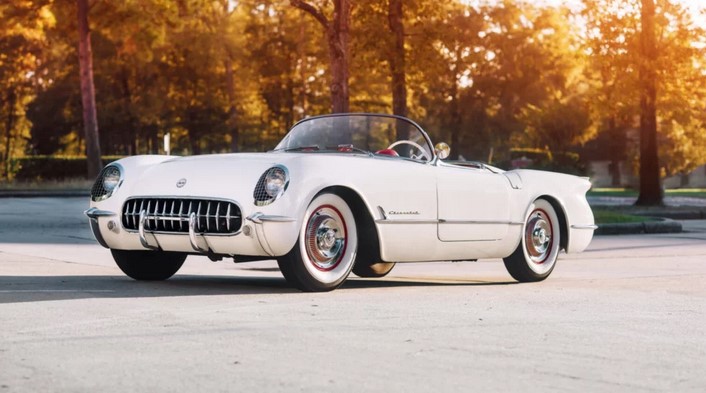
Few American sports cars evoke the same passion and admiration as the Chevrolet Corvette. Among collectors and enthusiasts, rare classic Corvettes hold a special place due to their limited production numbers, distinctive styling, and historical significance. These vehicles are more than just cars—they are rolling pieces of automotive art, representing milestones in design, engineering, and performance. From the early C1 models of the 1950s to the iconic C3 and C2 generations, certain Corvettes have become highly prized in auctions and private collections. This article explores some of the most sought-after rare classic Corvettes, highlighting what makes them so special and why they continue to capture the hearts of collectors worldwide.
Understanding the Allure of Classic Corvettes
Classic Corvettes are prized not only for their performance but also for their design innovation. From the distinctive curves of the first-generation (C1) models to the aggressive styling of the second generation (C2), Chevrolet consistently pushed the boundaries of American automotive design. These cars represent an era when the Corvette became a symbol of luxury, speed, and freedom on the open road.
Collectors often focus on limited-production models, such as those with unique engine options, rare body colors, or special trim packages. These factors make certain Corvettes extremely desirable and increase their value exponentially. Additionally, Corvettes with documented histories, original parts, and well-preserved interiors are particularly attractive to enthusiasts who value authenticity.
Understanding what makes a Corvette “rare” involves examining factors such as:
- Production numbers and exclusivity
- Original engine and drivetrain specifications
- Special editions, packages, or factory modifications
- Condition, originality, and historical provenance
These characteristics contribute not only to the car’s monetary value but also to its status as a cultural icon of American motoring.
Most Sought-After Rare Classic Corvettes
1. 1963 Chevrolet Corvette Sting Ray Split-Window Coupe
The 1963 Corvette Sting Ray introduced a bold new design with its now-famous split rear window. This single-year-only feature instantly made it a collector’s dream. Its independent rear suspension improved handling dramatically, and the sleek, futuristic styling set a new standard for American sports cars. Due to its short production run and iconic design, the 1963 Sting Ray Split-Window Coupe remains one of the most coveted rare classic Corvettes.
2. 1967 Chevrolet Corvette L88
The 1967 Corvette L88 is legendary among enthusiasts for its incredible performance and rarity. With a high-output 427 cubic inch V8 engine, this Corvette was designed with racing in mind, making it one of the most powerful production Corvettes of its time. Only 20 L88 units were produced in 1967, making it exceptionally rare. Collectors prize its raw performance capabilities, distinctive styling, and racing pedigree, often fetching millions at auctions.
3. 1957 Chevrolet Corvette Fuel-Injected Models
The 1957 Corvette marked a turning point with the introduction of the fuel-injected small-block V8. With just a few hundred units equipped with the new fuel injection system, these cars were significantly more powerful than standard models. Their classic 1950s styling, chrome accents, and performance upgrades make the 1957 fuel-injected Corvette a highly desirable collector car. Originality and condition are critical in determining their market value.
4. 1969 Corvette ZL1
The 1969 Corvette ZL1 is often referred to as the “holy grail” of classic Corvettes. Featuring an all-aluminum 427 V8 engine, this model was developed exclusively for racing and weighed significantly less than standard versions. Only two were built in 1969, and their rarity combined with extreme performance makes the ZL1 a dream car for serious collectors.
5. Limited Edition and Special Colors
While performance is a major factor in rarity, unique color schemes and limited-edition packages can also drive collector interest. Corvettes painted in unusual factory colors, such as Laguna Blue or Marlboro Maroon, or those equipped with rare interior trims and options, are considered highly collectible. Limited production numbers combined with desirable aesthetics create a strong market for these models among enthusiasts.
Preserving and Investing in Rare Classic Corvettes
Owning a rare classic Corvette requires careful attention to preservation and maintenance. Authenticity is crucial—restorations should be performed using period-correct parts and techniques to maintain historical accuracy. Documentation, including build sheets, factory records, and ownership history, greatly enhances the car’s value.
For collectors, rare classic Corvettes represent more than an investment; they are a passion project that connects the owner to automotive history. Auctions and private sales often see competitive bidding, reflecting the enduring appeal of these cars. Insurance, climate-controlled storage, and regular mechanical checks are all necessary to ensure these vehicles remain in pristine condition for generations.
Moreover, classic Corvettes are not just about monetary value; they embody a lifestyle. Car shows, vintage racing events, and Corvette clubs provide enthusiasts with opportunities to showcase these vehicles and connect with like-minded collectors worldwide.
The world of rare classic Corvettes is rich with history, performance, and design excellence. From the iconic 1963 Split-Window Coupe to the ultra-rare 1969 ZL1, these vehicles represent milestones in automotive engineering and American culture. Their limited production, distinctive styling, and powerful engines make them some of the most sought-after cars in the collector market. For enthusiasts, owning a rare classic Corvette is not merely about driving a car—it’s about preserving a piece of history and celebrating the enduring legacy of one of America’s most iconic sports cars.
Best Performance Exhaust Systems: Sound, Power, and Efficiency Boosters

Source:https://eaperformance.com.au
Upgrading a vehicle’s exhaust system is one of the most effective ways to enhance both performance and driving enjoyment. Among the many aftermarket options, best performance exhaust systems are designed to improve engine efficiency, increase horsepower, and produce a more aggressive exhaust note. Whether you are a car enthusiast looking to boost your track performance or simply want a richer driving experience, choosing the right exhaust system is crucial. In this article, we will explore how performance exhaust systems work, their key benefits, and some of the best options for drivers seeking power, sound, and efficiency improvements.
How Performance Exhaust Systems Work
The primary function of an exhaust system is to channel exhaust gases from the engine out of the vehicle while minimizing backpressure. Stock exhaust systems are often designed for noise reduction and cost efficiency, which can limit engine performance. Performance exhaust systems, however, are engineered to maximize exhaust flow, reduce restrictions, and optimize engine breathing. By improving airflow, these systems can unlock additional horsepower and torque while enhancing throttle response.
Key components of a performance exhaust system include:
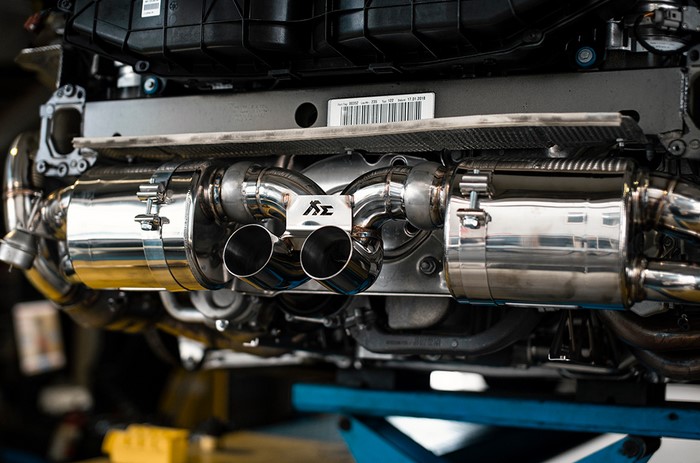
- Headers or Manifolds: These are designed to efficiently collect exhaust gases from the engine cylinders. High-quality headers reduce backpressure and improve the engine’s scavenging effect, which helps extract more power.
- High-Flow Catalytic Converters: Unlike standard catalytic converters, high-flow versions maintain emissions compliance while allowing for increased exhaust flow.
- Performance Mufflers: Mufflers in performance systems are engineered to reduce restrictive dampening, providing a deeper and more aggressive sound without sacrificing efficiency.
- Exhaust Piping: Larger-diameter and mandrel-bent pipes improve the smoothness of exhaust flow, which reduces turbulence and maximizes power output.
The combination of these components is designed not only to enhance engine performance but also to improve the overall driving experience through better sound and responsiveness.
Benefits of Installing a Performance Exhaust
Increased Horsepower and Torque
One of the most immediate and noticeable benefits of installing a performance exhaust system is the increase in engine output. By reducing exhaust restrictions and improving airflow, the engine can operate more efficiently, generating more horsepower and torque. This improvement is particularly evident in high-performance vehicles or engines with forced induction, such as turbochargers or superchargers. Even naturally aspirated engines benefit from improved exhaust scavenging, which can result in a smoother power delivery and faster acceleration.
Enhanced Sound Quality
Performance exhaust systems are often selected for their distinctive sound. While stock systems are typically tuned to minimize noise, aftermarket performance systems can deliver a more aggressive, deeper tone that enhances the driving experience. Depending on the design and materials used, the exhaust note can range from a subtle growl to a throaty roar. Drivers can select systems that suit their preferences, balancing volume with refinement to avoid excessive cabin resonance or road noise.
Improved Fuel Efficiency
It might seem counterintuitive, but a well-designed performance exhaust can also improve fuel efficiency. By reducing backpressure and allowing the engine to breathe more freely, combustion becomes more efficient, which can result in better fuel economy under certain driving conditions. This benefit is often most noticeable during steady highway driving, where optimized exhaust flow allows the engine to operate at lower RPMs while maintaining power output.
Durability and Aesthetics
Many performance exhaust systems are constructed from stainless steel or titanium, which are more resistant to corrosion than standard steel. This ensures a longer lifespan, even under extreme driving conditions. Additionally, polished tips and unique designs can enhance the visual appeal of a vehicle, making it look as aggressive as it sounds.
Choosing the Right Performance Exhaust System
Cat-Back vs. Axle-Back Systems
When selecting an exhaust system, it’s important to understand the differences between cat-back and axle-back configurations.
- Cat-Back Systems: These systems replace the exhaust components from the catalytic converter to the tailpipe. Cat-back systems typically offer more significant performance gains, improved sound, and better aesthetics due to their larger piping and upgraded mufflers.
- Axle-Back Systems: These systems replace only the rear section of the exhaust, including the mufflers and tailpipes. Axle-back systems are usually easier to install and provide a moderate sound enhancement but offer fewer performance improvements compared to cat-back systems.
Considerations for Installation
Professional installation is recommended to ensure proper fitment and alignment. Additionally, it is important to check local emissions regulations, as some performance exhaust systems may not be street-legal in certain regions. Drivers should also consider their driving goals: whether they prioritize aggressive sound, peak performance, or a balanced combination of both.
Investing in the best performance exhaust systems is an effective way to enhance your vehicle’s power, efficiency, and sound. From increased horsepower and torque to a deeper, more aggressive exhaust note, these systems deliver noticeable improvements that can elevate any driving experience. By understanding the components, benefits, and installation considerations, drivers can select the right exhaust system to suit their specific needs and driving style. Ultimately, a high-quality performance exhaust system not only boosts performance but also transforms the character and enjoyment of your vehicle, making every drive more exhilarating and satisfying.