Category Archives: Car Tech
Best Head-Up Displays: Cutting-Edge Tech for Safer Driving

Source:https://www.fic.com.tw
In the fast-evolving world of automotive technology, best head-up displays (HUDs) have emerged as one of the most significant innovations for enhancing driver safety and convenience. HUDs are designed to project key driving information directly onto the windshield, allowing drivers to access vital data—such as speed, navigation, and alerts—without taking their eyes off the road. With distractions being one of the leading causes of accidents, these displays help maintain focus while providing critical information at a glance. This article explores the best head-up displays available today, how they work, and why they are essential for the modern driver.
1. What is a Head-Up Display and How Does It Improve Safety?
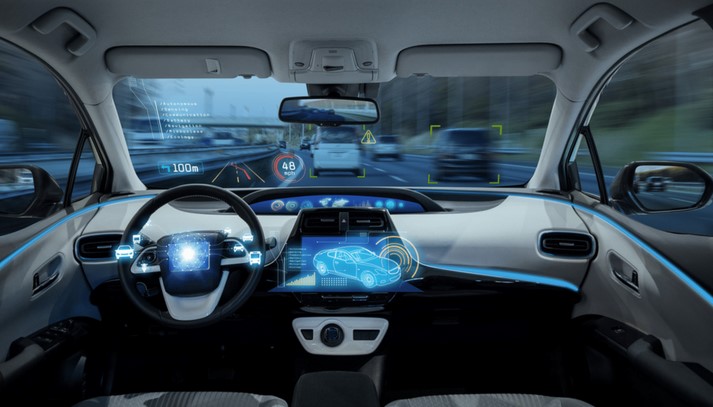
A head-up display (HUD) is a transparent screen that projects essential driving data onto the windshield or a separate transparent panel, allowing the driver to keep their eyes focused on the road. Initially popularized by military aircraft, this technology has since been adapted for use in civilian vehicles to provide real-time data in a non-intrusive way.
Key Features of Head-Up Displays
1. Navigation and Directions:
One of the standout features of modern HUDs is their ability to display real-time navigation instructions directly on the windshield. Rather than looking down at a GPS device or a smartphone, drivers can follow turn-by-turn directions without shifting their focus away from the road. This reduces the need for multitasking and enhances situational awareness.
2. Speed and Alerts:
HUDs also display crucial information such as the current speed, speed limits, fuel efficiency, and safety warnings like lane departure alerts or collision warnings. By having these details in direct view, drivers are less likely to be distracted by physical dashboards or screens, which could lead to accidents.
3. Enhanced Visibility:
Some advanced HUDs even incorporate features like augmented reality, where virtual information appears integrated with the real-world view. This feature is especially useful for navigating unfamiliar areas, as it can highlight important landmarks, intersections, or upcoming road changes directly on the screen.
How HUDs Improve Driver Focus and Safety
HUDs are crucial for improving driver safety by reducing cognitive load. Instead of switching between the road, dashboard, and navigation system, drivers can view all essential information in their line of sight. This technology promotes safer driving by minimizing distractions and allowing drivers to maintain full attention on the road. Furthermore, HUDs can be customized to show only the most relevant data for each driver, reducing clutter and ensuring that only necessary information is visible.
2. Top Head-Up Displays for 2025
As we look ahead to 2025, the best head-up displays offer even more advanced features, with many models offering high-definition displays, smartphone connectivity, and integration with advanced driver-assistance systems (ADAS). Here are some of the top models available:
1. Garmin HUD+
Garmin has long been a trusted name in navigation, and its Garmin HUD+ head-up display continues to be one of the best on the market. It projects navigation directions, speed limits, and other critical information directly onto the windshield, providing a seamless driving experience.
Key Features:
- Large, high-resolution display with anti-glare technology
- Simple installation with suction mount
- Connects to smartphones via Bluetooth for real-time navigation updates
- Customizable display options to show relevant data
- Compatible with both Android and iOS devices
The Garmin HUD+ is ideal for those who want a reliable and easy-to-use system that integrates with their smartphone’s navigation app, ensuring timely and accurate directions.
2. Hudway Cast
The Hudway Cast is a popular choice among drivers seeking an affordable and efficient head-up display. Unlike many other HUDs that require a specific car model or installation, the Hudway Cast works with most vehicles and projects a range of information onto a small transparent display.
Key Features:
- Compatible with both Android and iOS devices
- Displays real-time navigation, speed, and safety alerts
- Adjustable brightness for day and night use
- Supports both smartphone mirroring and Bluetooth connectivity
- Compact and easy to install
The Hudway Cast is perfect for drivers who are looking for a budget-friendly option that still provides excellent functionality. Its simple design and easy installation make it a great choice for those new to HUD technology.
3. Waylens Horizon
The Waylens Horizon is an advanced head-up display designed for performance enthusiasts. This system not only projects basic navigation and speed data but also integrates with your car’s onboard diagnostics (OBD) to provide deeper insights into the vehicle’s performance, such as acceleration, G-forces, and engine health.
Key Features:
- High-definition display with augmented reality features
- Integration with OBD-II to display vehicle data (e.g., engine temperature, RPM, and fuel efficiency)
- Real-time tracking of driving performance and statistics
- Smartphone integration for data logging and analysis
- Automatic brightness adjustment for optimal visibility in all lighting conditions
For drivers interested in performance tracking or those with a passion for car data, the Waylens Horizon offers a more personalized HUD experience, making it one of the best head-up displays for enthusiasts.
4. Navdy
Navdy is one of the most well-rounded HUD systems, providing not only navigation and driving stats but also full integration with your smartphone. Navdy’s standout feature is its gesture controls, allowing drivers to interact with the system without touching any buttons, making it an incredibly hands-free solution.
Key Features:
- Gesture-based controls for navigation, calls, and media
- 5.1-inch high-definition display with customizable interface
- Full integration with both Android and iOS apps
- Projects directions, speed, and safety alerts onto the windshield
- Bluetooth connectivity for hands-free calling and music control
Navdy’s intuitive interface and gesture controls make it a standout in terms of usability, and its compatibility with multiple apps provides a truly connected driving experience.
5. Pioneer AVIC-W8500NEX
For those looking for a more integrated solution, the Pioneer AVIC-W8500NEX offers an all-in-one dashboard system that incorporates a high-quality HUD with the added benefits of navigation, multimedia, and voice control. This system is ideal for those who want both a premium infotainment setup and the convenience of a head-up display.
Key Features:
- 7-inch high-definition touchscreen display
- Integrated navigation with real-time updates
- Voice command functionality for hands-free operation
- Customizable HUD display for speed, navigation, and alerts
- Smartphone connectivity via Apple CarPlay and Android Auto
The Pioneer AVIC-W8500NEX is perfect for drivers who want a full infotainment suite with the added benefits of a high-quality HUD system. Its comprehensive functionality and ease of use make it a great all-in-one solution.
3. Choosing the Right Head-Up Display for Your Needs
While there are numerous best head-up displays on the market, selecting the right one depends on several factors. Here are some considerations to help you choose the ideal HUD for your driving needs:
1. Compatibility with Your Vehicle
Not all HUDs are compatible with every vehicle, so it’s important to check the installation requirements before purchasing. Some systems require professional installation, while others are simple plug-and-play solutions that mount on the dashboard or windshield. Be sure to choose a system that fits your car and your comfort level with installation.
2. Features and Functionality
Consider the features you need most. Do you simply want navigation and speed data, or are you interested in performance metrics and real-time diagnostics? If you’re an enthusiast or need more detailed information, an advanced system like the Waylens Horizon may be worth considering. For those seeking simplicity, a basic system like the Hudway Cast might be sufficient.
3. Integration with Smartphones
If you frequently use your smartphone for navigation or other apps, it’s essential to select a HUD that integrates well with your device. Look for options that support both Android and iOS devices, allowing seamless syncing with your favorite apps and providing more control over your in-car experience.
4. Display Quality
The quality of the HUD display is another critical consideration. Look for high-resolution screens with anti-glare technology that provide clear visibility in both day and night conditions. The best HUDs automatically adjust their brightness based on ambient light to ensure optimal clarity.
As automotive technology continues to advance, the best head-up displays offer drivers a safer, more connected way to interact with their vehicles. By reducing distractions and providing key driving information directly in the line of sight, HUDs make driving safer and more enjoyable. Whether you’re looking for basic navigation or advanced vehicle diagnostics, there’s a head-up display to suit every need. From systems like Garmin HUD+ and Navdy to the performance-oriented Waylens Horizon, these devices provide valuable insights that help keep drivers focused on the road. Investing in a high-quality HUD is not just a matter of convenience; it’s a smart way to improve road safety and enhance your driving experience in 2025.
Best OBD2 Scanners for DIY Mechanics: Essential Tools for Car Diagnostics

Source:https://hips.hearstapps.com
For car enthusiasts and DIY mechanics, diagnosing vehicle issues without the help of a professional mechanic can seem like a daunting task. Fortunately, modern vehicles come equipped with an On-Board Diagnostics (OBD) system that can provide valuable insights into a car’s performance and alert you to any potential problems. However, accessing this data used to require specialized equipment and professional knowledge. Today, with the help of affordable OBD2 scanners, anyone can access and interpret this diagnostic information. In this article, we will explore the best OBD2 scanners for DIY mechanics, offering a closer look at the tools that can help you save money on car repairs, improve your vehicle’s performance, and make your diagnostic process more efficient.
1. What is an OBD2 Scanner and Why is it Important for DIY Mechanics?
An OBD2 scanner is a diagnostic tool that interfaces with your car’s OBD2 port to retrieve trouble codes, data from various sensors, and performance information from the vehicle’s onboard computer system. These scanners are essential for diagnosing issues related to the engine, exhaust, fuel system, and many other components in modern cars. OBD2 scanners provide information that can help identify the root cause of various car problems, ranging from engine misfires to faulty sensors or emissions issues.
For DIY mechanics, using an OBD2 scanner is an excellent way to perform their own car diagnostics, reduce reliance on auto repair shops, and understand the condition of their vehicles. With the ability to read and clear trouble codes, monitor real-time sensor data, and reset warning lights (such as the check engine light), these devices are indispensable for any mechanic looking to work on cars at home.
Unlike the days of relying on professional diagnostic tools that were both expensive and complex, best OBD2 scanners for DIY mechanics offer easy-to-use, affordable solutions that can be used by anyone, from beginners to seasoned car enthusiasts. These scanners range from basic models that just read and clear codes to advanced systems that provide live data, detailed trouble code descriptions, and even the ability to perform specific repairs, such as resetting ABS and airbag lights.
2. Key Features to Look for in OBD2 Scanners
When choosing the right OBD2 scanner for DIY car diagnostics, it’s important to consider a few key features to ensure you’re investing in the right tool for your needs. Here are some of the most important features to look for in the best OBD2 scanners for DIY mechanics:
2.1 Compatibility with Your Vehicle
The first and foremost consideration is ensuring that the OBD2 scanner you choose is compatible with your vehicle. Most OBD2 scanners work with cars manufactured after 1996, as this is when the OBD2 system became standard. However, not all OBD2 scanners work equally well with every make and model. It’s crucial to check whether the scanner supports your vehicle’s make and year.
Some advanced scanners are capable of working with a wide range of vehicles, including foreign and domestic models, while others may have limited compatibility. So, if you work on multiple types of cars, you’ll want to opt for a universal scanner that can handle a variety of brands and models.
2.2 Ease of Use
When it comes to choosing the best OBD2 scanner, ease of use is a vital factor. A good scanner should feature a user-friendly interface, intuitive navigation, and clear instructions. For DIY mechanics, the process should be simple—just plug in the scanner to the OBD2 port, and the tool should provide readable results without unnecessary steps or complex jargon.
Additionally, many scanners come with large displays that show easy-to-read diagnostic codes, while some advanced models offer color screens or touchscreen functionality. The ability to easily understand what’s going wrong with your vehicle is key, especially for those who may not have advanced technical knowledge.
2.3 Live Data Monitoring
Live data monitoring is one of the most useful features in modern OBD2 scanners. This allows you to view real-time information about various sensors and vehicle systems, such as engine temperature, fuel efficiency, RPM, oxygen sensor data, and more. Having access to this live data can help DIY mechanics troubleshoot problems, monitor engine performance, and optimize the vehicle’s efficiency.
Live data is particularly useful when diagnosing intermittent problems that don’t always trigger trouble codes, as it allows you to observe how various vehicle components are behaving in real-time.
2.4 Trouble Code Description and Repair Tips
The best OBD2 scanners for DIY mechanics provide detailed trouble code descriptions, helping users understand the meaning behind error codes. Some advanced models also offer suggested repair solutions based on the trouble codes, making it easier for DIY mechanics to perform repairs on their own.
For example, if you receive a P0171 code indicating a lean fuel mixture, a high-quality scanner may provide additional context about potential causes, such as a faulty mass airflow sensor or a vacuum leak. This is particularly helpful for beginners who may not be familiar with all the trouble codes.
2.5 Reset Functionality
Many OBD2 scanners allow you to reset warning lights such as the check engine light (CEL), ABS, or SRS (airbag) lights. This is an essential feature for DIY mechanics who want to clear codes after performing a repair or maintenance task. However, it’s important to remember that clearing a code doesn’t solve the underlying issue. The light will likely return if the problem hasn’t been addressed.
Additionally, certain OBD2 scanners can reset specific systems, such as the oil change light or the TPMS (Tire Pressure Monitoring System), making them an even more valuable tool for vehicle maintenance.
3. Top OBD2 Scanners for DIY Mechanics
Now that you know what features to look for in an OBD2 scanner, let’s take a closer look at some of the best OBD2 scanners for DIY mechanics available today.
3.1 BlueDriver OBD2 Scanner
The BlueDriver OBD2 scanner is widely regarded as one of the best scanners for DIY mechanics, offering a robust set of features that makes it ideal for both beginners and more experienced car enthusiasts. This Bluetooth-enabled device pairs with your smartphone or tablet, using a dedicated app to provide detailed diagnostics, live data, and trouble code descriptions.
The BlueDriver is compatible with a wide range of vehicles, including both domestic and foreign models, and it offers enhanced diagnostics such as ABS, airbag, and transmission codes. The intuitive app provides clear explanations of codes and even offers repair tips, making it an excellent choice for those who want a comprehensive tool at an affordable price.
3.2 Autel MaxiCOM MK808
For mechanics who need a more advanced scanner, the Autel MaxiCOM MK808 is a powerful, versatile tool. This professional-grade OBD2 scanner features a large 7-inch touchscreen and provides access to over 80 vehicle systems. The MK808 allows for diagnostics of not only engine and transmission systems but also advanced systems like ABS, SRS, and steering angle sensors.
The device supports live data streaming, code reading and clearing, and offers additional features like oil reset and EPB (Electronic Parking Brake) service. While the MK808 may be overkill for some DIY mechanics, its wide functionality makes it an excellent option for those looking for a comprehensive diagnostic tool that goes beyond basic scanning.
3.3 INNOVA 3100J OBD2 Scanner
If you’re looking for an affordable and straightforward OBD2 scanner, the INNOVA 3100J is an excellent option. It offers basic diagnostic features such as reading and clearing trouble codes, as well as displaying real-time data on engine parameters. This scanner is easy to use, making it perfect for beginners or those who only need to address basic engine issues.
The 3100J also supports both OBD2 and enhanced diagnostics for specific vehicle brands like GM, Ford, and Chrysler, making it a solid option for DIY mechanics working with a variety of cars.
3.4 Launch CRP129X OBD2 Scanner
The Launch CRP129X offers advanced diagnostic capabilities at a mid-range price point. With features like live data streaming, ABS/SRS reset, and engine diagnostics, this scanner is great for DIY mechanics who want a more detailed and professional-level tool without breaking the bank. It supports a wide range of vehicles, including Asian, European, and domestic models, and features a user-friendly interface.
The CRP129X also includes a large color display, making it easy to view codes and live data on the screen. Additionally, it offers software updates via Wi-Fi, ensuring that the device stays up-to-date with the latest vehicle models and diagnostics.
When it comes to best OBD2 scanners for DIY mechanics, having the right tool can make all the difference in diagnosing and fixing car issues efficiently. Whether you’re a beginner looking for a simple tool to read and clear codes, or a more advanced mechanic in need of professional-grade diagnostics, there’s an OBD2 scanner to meet your needs. By investing in the right scanner, you can save money on repairs, extend the life of your vehicle, and gain valuable insight into your car’s performance. With the wide range of options available in 2025, DIY mechanics can now access high-quality diagnostic tools at a price that fits their budget.
AI-Powered Car Navigation: The Future of Smart Driving

Source:https://www.drivingvisionnews.com
The automotive industry is experiencing an incredible transformation, and one of the most exciting advancements is the development of AI-powered car navigation systems. These systems are changing the way drivers interact with their vehicles, offering unprecedented levels of convenience, safety, and efficiency. With the rapid development of artificial intelligence (AI) and machine learning, car navigation is no longer limited to simple maps and turn-by-turn directions. Instead, AI-powered navigation systems are evolving into intuitive tools that can predict the best routes, provide real-time traffic updates, and even learn from your driving habits. In this article, we’ll explore the benefits of AI-powered navigation, how it works, and what it means for the future of driving.
How AI-Powered Car Navigation Works
1. Real-Time Data and Predictive Analytics
At the core of AI-powered car navigation systems is the ability to analyze vast amounts of real-time data. These systems constantly collect information about road conditions, traffic, weather, and even accidents, making it possible to predict the most efficient routes for drivers. AI-powered systems can dynamically adjust your route based on live traffic updates, taking into account factors such as congestion, road closures, and even accidents that may not be immediately visible.
Machine learning algorithms continually process data from a variety of sources, including GPS signals, sensors within the vehicle, and other connected infrastructure such as traffic management systems. This data-driven approach allows AI-powered navigation systems to make quick, informed decisions to optimize your driving experience.
2. Personalization and Learning from User Behavior
One of the most compelling features of AI-powered car navigation is its ability to learn from your individual driving patterns and preferences. Over time, the system gets smarter, adjusting to the routes you prefer, the time of day you typically travel, and even your driving style. For example, if you regularly take a specific route to work or always avoid certain highways, the system will adapt to your habits, offering route suggestions that better align with your preferences.
In addition to route personalization, AI-powered navigation systems can anticipate your needs in other ways. For instance, if you often stop at the same coffee shop or gas station during your commute, the system may proactively offer to include these stops on your route. By learning from your behavior, these systems provide a more seamless and customized driving experience, allowing you to enjoy greater convenience on the road.
3. Integration with Other Vehicle Systems
AI-powered navigation doesn’t function in isolation. In many modern vehicles, the navigation system is integrated with other in-car technologies, such as the entertainment system, voice control features, and even advanced driver assistance systems (ADAS). For instance, if the navigation system detects a sudden change in road conditions, it can alert you through the vehicle’s audio system, allowing you to stay informed without having to take your eyes off the road.
Moreover, AI-powered navigation can communicate with other smart vehicle systems to improve overall driving safety. For example, if the system detects that you are approaching a dangerous intersection or a sudden change in traffic patterns, it can adjust the car’s speed, alert you to potential hazards, or even automatically apply the brakes if necessary.
The Benefits of AI-Powered Car Navigation
1. Enhanced Safety
Safety is one of the most significant advantages of AI-powered car navigation. Traditional navigation systems typically provide basic instructions for reaching your destination, but AI-powered systems go a step further by anticipating hazards and providing timely warnings. By analyzing traffic data, road conditions, and even the actions of other drivers, AI navigation systems can reduce the likelihood of accidents.
For example, if you’re driving through a neighborhood and the system detects pedestrians or cyclists nearby, it can adjust your speed and provide alerts to ensure you’re aware of potential hazards. Additionally, if an accident occurs up ahead, the system can reroute you to avoid the area and suggest alternative paths in real-time.
2. Improved Fuel Efficiency and Cost Savings
Another notable benefit of AI-powered car navigation is the potential for improved fuel efficiency. Traditional navigation systems often suggest routes based on distance alone, without considering factors like traffic congestion or road conditions. AI-powered systems, however, optimize your route based on real-time data, reducing the amount of time spent in traffic or on congested roads.
By avoiding traffic jams and taking the most efficient routes, you can reduce the amount of fuel consumed during your trip. This not only helps you save money on fuel but also reduces your vehicle’s carbon footprint. Over time, these savings can add up, making AI-powered navigation a valuable investment for eco-conscious drivers.
3. Increased Convenience and Time Savings
AI-powered car navigation significantly improves the convenience and time efficiency of your driving experience. Instead of relying on outdated maps or having to manually input new routes, AI-powered systems automatically adjust your route to avoid delays and optimize your journey. This means you’ll spend less time navigating unfamiliar roads or searching for alternative routes when you encounter obstacles on your path.
In addition, AI navigation systems can integrate with your calendar and other personal apps to suggest the best departure times and routes based on your schedule. This predictive capability helps ensure that you arrive at your destination on time, even in the face of unexpected traffic or road closures.
The Future of AI-Powered Car Navigation
1. Self-Learning and Autonomous Driving Integration
As AI technology continues to evolve, the future of AI-powered car navigation looks even more promising. One of the most exciting developments is the integration of autonomous driving capabilities. In the coming years, AI-powered navigation systems will likely play a crucial role in self-driving cars, providing the intelligence needed to safely navigate complex roadways without human intervention.
With advancements in machine learning, AI-powered systems will become even more adept at making real-time decisions, adjusting driving behavior based on evolving road conditions, and responding to unforeseen events like traffic accidents or road construction. Autonomous vehicles, powered by AI-driven navigation, will have the ability to seamlessly transition between human-controlled and fully autonomous driving modes, offering a safer, more efficient driving experience.
2. Smart City Integration
Another exciting development is the potential for AI-powered navigation to integrate with smart city infrastructure. In the future, AI systems in vehicles may communicate with traffic lights, road signs, and other connected devices to optimize the flow of traffic. This could lead to smoother commutes, less congestion, and more efficient use of urban infrastructure.
For example, a car with an AI-powered navigation system could communicate with a smart traffic light to adjust its timing based on the vehicle’s approach, ensuring that drivers experience fewer delays. This type of collaboration between vehicles and smart city technology could dramatically improve the overall driving experience in urban areas.
In conclusion, AI-powered car navigation is set to revolutionize the way we drive by offering a more efficient, safe, and personalized experience. With real-time data analysis, predictive capabilities, and seamless integration with other vehicle systems, AI-powered navigation systems will continue to enhance driving experiences for millions of people worldwide. As we look to the future, the integration of autonomous driving and smart city technologies will further solidify the role of AI in making our roads safer and our driving more intelligent. Embracing these advancements will help drivers enjoy smarter, more convenient, and safer journeys for years to come.