Category Archives: Classic Cars
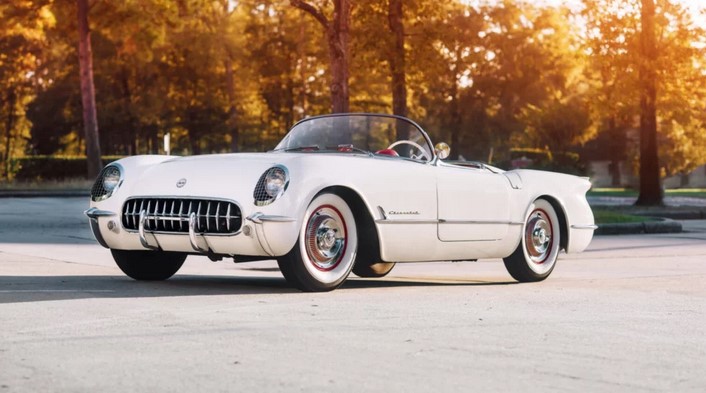
Rare Classic Corvettes: The Most Sought-After Models

Source:https://cdn.motor-junkie.com
Few American sports cars evoke the same passion and admiration as the Chevrolet Corvette. Among collectors and enthusiasts, rare classic Corvettes hold a special place due to their limited production numbers, distinctive styling, and historical significance. These vehicles are more than just cars—they are rolling pieces of automotive art, representing milestones in design, engineering, and performance. From the early C1 models of the 1950s to the iconic C3 and C2 generations, certain Corvettes have become highly prized in auctions and private collections. This article explores some of the most sought-after rare classic Corvettes, highlighting what makes them so special and why they continue to capture the hearts of collectors worldwide.
Understanding the Allure of Classic Corvettes
Classic Corvettes are prized not only for their performance but also for their design innovation. From the distinctive curves of the first-generation (C1) models to the aggressive styling of the second generation (C2), Chevrolet consistently pushed the boundaries of American automotive design. These cars represent an era when the Corvette became a symbol of luxury, speed, and freedom on the open road.
Collectors often focus on limited-production models, such as those with unique engine options, rare body colors, or special trim packages. These factors make certain Corvettes extremely desirable and increase their value exponentially. Additionally, Corvettes with documented histories, original parts, and well-preserved interiors are particularly attractive to enthusiasts who value authenticity.
Understanding what makes a Corvette “rare” involves examining factors such as:
- Production numbers and exclusivity
- Original engine and drivetrain specifications
- Special editions, packages, or factory modifications
- Condition, originality, and historical provenance
These characteristics contribute not only to the car’s monetary value but also to its status as a cultural icon of American motoring.
Most Sought-After Rare Classic Corvettes
1. 1963 Chevrolet Corvette Sting Ray Split-Window Coupe
The 1963 Corvette Sting Ray introduced a bold new design with its now-famous split rear window. This single-year-only feature instantly made it a collector’s dream. Its independent rear suspension improved handling dramatically, and the sleek, futuristic styling set a new standard for American sports cars. Due to its short production run and iconic design, the 1963 Sting Ray Split-Window Coupe remains one of the most coveted rare classic Corvettes.
2. 1967 Chevrolet Corvette L88
The 1967 Corvette L88 is legendary among enthusiasts for its incredible performance and rarity. With a high-output 427 cubic inch V8 engine, this Corvette was designed with racing in mind, making it one of the most powerful production Corvettes of its time. Only 20 L88 units were produced in 1967, making it exceptionally rare. Collectors prize its raw performance capabilities, distinctive styling, and racing pedigree, often fetching millions at auctions.
3. 1957 Chevrolet Corvette Fuel-Injected Models
The 1957 Corvette marked a turning point with the introduction of the fuel-injected small-block V8. With just a few hundred units equipped with the new fuel injection system, these cars were significantly more powerful than standard models. Their classic 1950s styling, chrome accents, and performance upgrades make the 1957 fuel-injected Corvette a highly desirable collector car. Originality and condition are critical in determining their market value.
4. 1969 Corvette ZL1
The 1969 Corvette ZL1 is often referred to as the “holy grail” of classic Corvettes. Featuring an all-aluminum 427 V8 engine, this model was developed exclusively for racing and weighed significantly less than standard versions. Only two were built in 1969, and their rarity combined with extreme performance makes the ZL1 a dream car for serious collectors.
5. Limited Edition and Special Colors
While performance is a major factor in rarity, unique color schemes and limited-edition packages can also drive collector interest. Corvettes painted in unusual factory colors, such as Laguna Blue or Marlboro Maroon, or those equipped with rare interior trims and options, are considered highly collectible. Limited production numbers combined with desirable aesthetics create a strong market for these models among enthusiasts.
Preserving and Investing in Rare Classic Corvettes
Owning a rare classic Corvette requires careful attention to preservation and maintenance. Authenticity is crucial—restorations should be performed using period-correct parts and techniques to maintain historical accuracy. Documentation, including build sheets, factory records, and ownership history, greatly enhances the car’s value.
For collectors, rare classic Corvettes represent more than an investment; they are a passion project that connects the owner to automotive history. Auctions and private sales often see competitive bidding, reflecting the enduring appeal of these cars. Insurance, climate-controlled storage, and regular mechanical checks are all necessary to ensure these vehicles remain in pristine condition for generations.
Moreover, classic Corvettes are not just about monetary value; they embody a lifestyle. Car shows, vintage racing events, and Corvette clubs provide enthusiasts with opportunities to showcase these vehicles and connect with like-minded collectors worldwide.
The world of rare classic Corvettes is rich with history, performance, and design excellence. From the iconic 1963 Split-Window Coupe to the ultra-rare 1969 ZL1, these vehicles represent milestones in automotive engineering and American culture. Their limited production, distinctive styling, and powerful engines make them some of the most sought-after cars in the collector market. For enthusiasts, owning a rare classic Corvette is not merely about driving a car—it’s about preserving a piece of history and celebrating the enduring legacy of one of America’s most iconic sports cars.
Why Vintage Cars Are a Good Investment: The Value of Timeless Classics

Source:https://tgal.us
In recent years, the world of classic automobiles has become more than just a passion for enthusiasts—it has turned into a thriving investment opportunity. Why vintage cars are a good investment is a question that many collectors and financial experts are now increasingly considering. Unlike other assets that may depreciate over time, vintage cars have demonstrated an ability to appreciate in value, sometimes outpacing traditional investments like stocks or real estate. Whether you’re a seasoned collector or someone new to the world of classic cars, understanding the factors behind this growing trend can help you make more informed decisions about where to place your money.
Vintage cars offer much more than just a nostalgic driving experience; they are tangible, rare, and often one-of-a-kind pieces of history. In this article, we will explore the reasons why vintage cars are becoming increasingly sought-after investments and provide insights into how these timeless classics continue to increase in value. By examining factors like rarity, historical significance, and the growing popularity of the automotive industry, you’ll better understand why vintage cars are an excellent choice for diversifying your investment portfolio.
The Financial Appeal of Vintage Cars
Investing in classic cars is not a new concept, but in recent years, it has garnered more attention from both collectors and financial investors alike. The appeal lies in the unique blend of history, craftsmanship, and rarity that these vehicles represent. When looking at why vintage cars are a good investment, it’s important to consider the following factors that contribute to their growing value.
1. Rarity and Limited Production
One of the most significant factors driving the value of vintage cars is their rarity. Many classic vehicles were produced in limited quantities, making them hard to find in good condition. Cars that were manufactured in small numbers or as special editions are particularly sought after by collectors. This rarity, combined with the fact that some models may have been retired decades ago, ensures that these vehicles become even more valuable over time.
Why This Matters:
Rarity creates demand, and the law of supply and demand dictates that as the number of available cars decreases, the value of the remaining vehicles increases. For example, cars like the Ferrari 250 GTO or the Shelby Cobra are highly coveted due to their limited production runs, and their values have skyrocketed over the years.
2. Historical Significance and Nostalgia
Vintage cars are often deeply connected to certain historical periods, events, or figures. For instance, a car from the 1960s might remind people of a particular era in pop culture, automotive history, or even motorsport. This emotional connection to history adds a layer of value beyond mere physical condition.
Cars from certain periods also evoke nostalgia, which makes them more appealing not only to car collectors but also to people who lived through those times and want to reconnect with their past.
Why This Matters:
Cars with historical significance often carry a premium price tag due to their association with important milestones or moments in time. Whether it’s a car from a famous race or a car owned by a historical figure, the stories behind these vehicles can add considerable value.
3. The Rising Popularity of Classic Cars
Over the past few decades, the appreciation for vintage cars has grown significantly. As new generations develop an interest in classic automobiles, the demand for well-preserved models continues to rise. The internet and social media have played a huge role in bringing these cars into the spotlight, with enthusiasts and collectors sharing their restorations, finds, and knowledge online.
Many investors are now turning to classic cars as an alternative asset class, seeing the appreciation potential and the satisfaction of owning something unique. As the demand continues to grow, so does the value of vintage vehicles.
Why This Matters:
With more buyers entering the market, the demand for certain models increases, which leads to higher auction prices and private sale values. As long as the interest in classic cars remains strong, their value is likely to continue appreciating.
Factors That Affect the Value of Vintage Cars
Not all vintage cars are created equal, and there are specific factors that determine which cars will be the best investments. When considering why vintage cars are a good investment, it’s crucial to understand the aspects that contribute to a car’s desirability and potential for financial gain.
1. Condition and Restoration Quality
A car’s condition plays a huge role in its investment potential. Vehicles that have been well-maintained or expertly restored tend to fetch higher prices. Originality is key, with cars that retain their original parts and design often being more valuable than those that have been extensively modified. However, high-quality restorations can still add value, especially when they are done to factory specifications.
Why This Matters:
Cars in pristine condition, or those with minimal restoration required, are typically in higher demand. Buyers are willing to pay more for cars that are ready to show or drive, as these represent a lower risk for future maintenance or restoration costs.
2. Brand and Model Reputation
Certain car brands and models have long-standing reputations for quality, performance, and design. For example, marques like Ferrari, Porsche, and Aston Martin are known for their craftsmanship and exclusivity. The model’s reputation, whether for performance, design, or racing history, often determines its desirability and future value.
Why This Matters:
Brand recognition and model reputation drive demand, which leads to higher prices at auction and private sales. Cars with a strong legacy or a cult following are more likely to appreciate significantly in value.
3. Racing and Motorsport Legacy
Many classic cars that have racing or motorsport heritage tend to be among the most valuable. Cars that participated in iconic races or were owned by famous drivers often carry a premium because of their history and connection to the sport. Examples include cars like the Porsche 917 or the Jaguar D-Type, which were used in famous races like Le Mans.
Why This Matters:
Racing cars are often seen as pieces of automotive history. Cars with a motorsport legacy can attract interest from collectors, investors, and racing fans alike, which drives their value up.
Tips for Investing in Vintage Cars
While investing in vintage cars can be profitable, it’s important to approach it with knowledge and caution. Here are a few tips for making sound investments:
1. Research Thoroughly
Before purchasing a vintage car, research the model’s history, market trends, and current value. Understanding which cars have the best investment potential is crucial. Cars with limited production runs, racing history, or strong brand recognition are often the best choices.
2. Consider Storage and Maintenance
Proper storage and maintenance are essential to preserving a classic car’s value. A car that has been stored in a controlled environment and kept in good working condition is more likely to appreciate in value.
3. Work with Reputable Dealers and Auction Houses
When buying a vintage car, work with reputable dealers or auction houses that specialize in classic cars. They can help you find rare and valuable models while also ensuring that you are purchasing an authentic vehicle.
In conclusion, why vintage cars are a good investment lies in their rarity, historical significance, growing popularity, and the unique bond between collectors and their vehicles. Classic cars are a tangible asset that offers both emotional satisfaction and financial reward. As interest in vintage automobiles continues to rise, these cars have demonstrated the ability to appreciate significantly in value, making them a sound investment for the discerning collector. If you’re looking to diversify your investment portfolio with something both enjoyable and profitable, a vintage car could be the perfect addition.
Classic Car Insurance: How to Get the Right Coverage for Your Ride

Source:https://gooderagency.com
Owning a classic car is a rewarding experience, but it also comes with specific responsibilities — one of the most important being securing the right classic car insurance. Unlike regular car insurance, classic car insurance is tailored to meet the needs of vintage, collectible, and rare vehicles. These cars often have unique value, are used less frequently, and are sometimes modified with custom parts, making their insurance needs quite different from those of modern vehicles. Ensuring that you have the right coverage is crucial for protecting your investment and enjoying peace of mind on the road.
In this article, we will explore how to get the right classic car insurance, what factors to consider when selecting a policy, and the essential coverage options you should look for. Whether you’re a classic car enthusiast or a first-time buyer, understanding your insurance options will help you make an informed decision and avoid potential pitfalls down the road.
What Makes Classic Car Insurance Different?
Classic car insurance differs from standard auto insurance in several ways. It is specifically designed to account for the value and usage of vintage vehicles, which often don’t fit neatly into the parameters of a typical car insurance policy. Here are some of the key differences between standard car insurance and classic car insurance:
1. Agreed Value vs. Market Value
With regular car insurance, the payout in the event of a claim is typically based on the market value of your vehicle at the time of the loss. This is calculated by factoring in depreciation and wear-and-tear. However, classic car insurance often operates on an agreed value basis, meaning you and the insurer agree on the value of the car when you take out the policy. If your car is totaled, the insurer will pay you the agreed-upon amount, not the depreciated market value.
Why This Is Important:
Classic cars can increase in value over time, especially if they are well-maintained or restored. Standard car insurance might not account for this potential appreciation, while classic car insurance ensures that your vehicle is insured for its full value.
2. Usage Restrictions
Classic car insurance typically comes with usage restrictions. Most classic car policies only cover vehicles that are driven on a limited basis. For example, your car may be restricted to weekend or occasional use, rather than daily commuting. This restriction helps keep premiums lower but may not be suitable if you plan to use your classic car regularly.
Why This Matters:
Classic cars are usually kept in better condition when not driven frequently, and insurance companies recognize that these vehicles are at a lower risk of accidents. By restricting usage, insurers can offer more affordable coverage for enthusiasts who want to preserve their car’s value.
3. Specialized Repair Coverage
Classic cars often require specialized repairs and replacement parts, many of which can be difficult to find or expensive to replace. Classic car insurance policies may include coverage for custom repairs or the use of OEM (original equipment manufacturer) parts, ensuring that your vehicle is restored to its original condition after a loss.
Why This Is Crucial:
Without this type of coverage, you may be forced to use aftermarket or substandard parts to repair your car, which could diminish its value and authenticity. Specialized repair coverage ensures that your car is treated with the care it deserves.
How to Choose the Right Classic Car Insurance Policy
Selecting the right policy for your classic car involves considering several factors, from the value of your vehicle to your intended use. Here are the most important aspects to consider when shopping for classic car insurance:
1. Determine Your Car’s Value
Before purchasing classic car insurance, it’s important to assess your car’s value. This can be tricky, as classic cars may appreciate in value over time due to rarity, condition, and market demand. The value of your car should be based on factors such as:
- Condition: How well-maintained is the vehicle? Are there any modifications or custom parts?
- Rarity: Is your car a limited edition or one of a kind?
- Market Trends: Research how the car’s market value has changed over time.
Once you have a clear understanding of your vehicle’s value, you’ll be in a better position to negotiate an agreed value with the insurer.
2. Compare Insurance Providers
Not all insurance companies offer classic car coverage, so it’s essential to shop around and find a provider that specializes in this area. Look for an insurer with experience in handling classic cars and one that offers the specific coverage options you need.
Things to Look For:
- Reputation: Choose an insurer with a solid track record in the classic car market.
- Claims Process: Understand the process of filing a claim and what types of claims the insurer has successfully handled.
- Customization: Ensure the insurer offers coverage that is tailored to your specific needs, whether it’s for a rare collectible, a modified classic, or a weekend driver.
3. Consider Coverage Limits and Deductibles
When selecting a policy, make sure that the coverage limits and deductibles align with your expectations. While agreed value policies typically provide a higher payout in the event of a claim, you should also consider how much of a deductible you’re willing to pay out-of-pocket if an incident occurs. Additionally, make sure the coverage limits are high enough to fully protect your investment in the event of a total loss.
4. Look for Extra Benefits
Some classic car insurance policies come with additional benefits designed to protect both you and your vehicle. Look for features like:
- Roadside Assistance: Many policies offer free or discounted roadside assistance for breakdowns or emergencies.
- Event Coverage: If you plan to take your classic car to car shows, races, or other events, ensure that your policy covers these activities.
- Laid-Up Coverage: If you’re not planning to drive your car for an extended period (e.g., winter storage), laid-up coverage allows you to keep your car insured at a reduced rate.
Understanding the Cost of Classic Car Insurance
The cost of classic car insurance can vary depending on several factors, including the type and value of the car, your driving history, and how often you plan to use the car. However, in general, classic car insurance tends to be more affordable than standard car insurance. This is primarily due to the limited use and lower risk associated with these vehicles.
Factors That Influence Classic Car Insurance Premiums:
- Car’s Value: The higher the agreed value, the higher your premium will be.
- Driving History: A clean driving record can help lower your premiums.
- Storage and Security: Keeping your car in a secure garage or storage facility may reduce premiums.
- Mileage Restrictions: Lower annual mileage limits often result in lower premiums.
By considering these factors and discussing them with your insurance provider, you can find a policy that meets your needs without breaking the bank.
In conclusion, finding the right classic car insurance is essential for protecting your valuable investment and ensuring that you have the coverage you need in the event of an accident or loss. Understanding the differences between standard and classic car insurance, assessing your vehicle’s value, and choosing the right policy for your needs are all key to securing the right protection. Whether you’re a seasoned collector or a first-time buyer, taking the time to find the best coverage will ensure that your classic car is properly insured and ready for the road ahead.
How to Appraise a Collectible Car: Get the Best Valuation

Source:https://cdn-bgncm.nitrocdn.com
Appraising a collectible car is an essential skill for anyone involved in the world of car collecting or investing. Whether you’re buying, selling, or insuring a rare vehicle, knowing how to appraise a collectible car can make the difference between a successful transaction and a missed opportunity. The value of a collectible car is not simply based on its age or condition; numerous factors such as rarity, provenance, market trends, and even the brand reputation play a significant role in determining its worth. In this article, we’ll explore key factors to consider when appraising a collectible car and provide a comprehensive guide to get the best valuation.
Factors to Consider When Appraising a Collectible Car
1. Rarity and Demand
The rarity of a vehicle is perhaps the most influential factor in its appraisal. Collectors are generally interested in cars that are not only unique but also in limited supply. This could mean a model with a limited production run, a particular year or trim that was only produced in small quantities, or one that features a special set of features that set it apart from others. For example, certain vintage Ferraris, Lamborghinis, and Porsches fetch extraordinarily high prices due to their limited production and historic significance.
However, rarity alone doesn’t guarantee a high valuation. Demand is also critical. A rare car might be valuable only if there is a strong market for it. For instance, while some classic American muscle cars from the 1960s are rare, there must be an active collector base that seeks out these vehicles. Researching the demand for the model you are appraising is essential in understanding its market value.
2. Condition and Restoration History
A car’s condition plays a crucial role in determining its collectible value. Factors like the state of the bodywork, interior, engine, and paint are all evaluated in an appraisal. Cars that have been carefully preserved in their original condition tend to be worth more than those that have been heavily modified or restored.
However, a complete restoration can sometimes increase a car’s value, especially if it has been done to factory specifications or by a reputable specialist. Restoration history should be taken into account when appraising a collectible car, as well as the quality of the restoration work. A well-done restoration can increase value, but a poor restoration may significantly decrease the car’s appeal to collectors.
Inspecting the car thoroughly, looking for signs of rust, checking the originality of parts, and examining whether the vehicle has been repainted or modified are all important parts of the process.
3. Provenance and Documentation
The provenance of a collectible car refers to its history of ownership, and it is another critical factor in determining its value. Cars with a well-documented and rich history often command higher prices, especially if they have been owned by prominent individuals, celebrities, or famous collectors. The car’s original paperwork, such as the owner’s manual, service records, and any historical racing or event involvement, can significantly impact its value.
Having a complete set of original documents, including titles and maintenance records, can not only enhance the car’s value but also offer buyers confidence in its authenticity. In cases where a car has been modified or restored, documentation of the work done is also important. A complete record of the car’s journey, from its original purchase to the present day, can elevate its appeal to serious buyers.
Tools and Resources for Appraising a Collectible Car
Appraising a collectible car requires a variety of tools and resources. Professional appraisers often use a combination of market research, historical sales data, and their own experience to arrive at a fair valuation.
1. Market Research
The value of collectible cars fluctuates over time due to market trends. Keeping up-to-date with industry reports, auction results, and news from the collector car community can help you stay informed. Websites like Hagerty, Barrett-Jackson, and RM Sotheby’s provide valuable information about past sales and market shifts. Similarly, attending car auctions and joining collectors’ groups can give you insight into current trends and demand.
2. Expert Appraisers
If you’re unsure of your ability to assess a vehicle’s value on your own, hiring a professional appraiser may be a worthwhile investment. A certified appraiser with experience in collectible cars can provide an objective, accurate assessment of the vehicle’s worth. These professionals often have access to exclusive sales databases and use established appraisal methods to assess a vehicle’s market value.
3. Online Valuation Tools
There are a number of online valuation tools and databases available that can help you get a general idea of the car’s worth. Websites like NADA Guides, Kelley Blue Book, and even specialized platforms for classic and collectible cars can provide you with a ballpark estimate based on the make, model, year, and condition of the vehicle. While these tools can give a useful starting point, they cannot replace the expertise of an experienced appraiser who can consider all variables.
In conclusion, how to appraise a collectible car requires a thorough understanding of various factors that contribute to its market value. Whether you are looking to buy or sell a collectible car, considering aspects like rarity, condition, provenance, and demand will help ensure you are getting a fair valuation. Using the right tools, doing market research, and consulting with experts are all part of the appraisal process that can help you arrive at an accurate valuation.
If you are uncertain about your appraisal skills, don’t hesitate to consult with professionals who can provide more insight and guide you through the process. Properly appraising a collectible car not only benefits you as a buyer or seller but also protects your investment by ensuring that you are aware of the true market value of your prized possession.
Top Classic Car Shows Worldwide: Where to See the Best Vintage Cars

Source:https://www.villazzo.com
Classic cars are not just modes of transportation; they are symbols of history, craftsmanship, and automotive engineering that have stood the test of time. For automobile enthusiasts, vintage cars represent a tangible link to the past, and there’s no better way to appreciate these stunning machines than by visiting the top classic car shows worldwide. These events offer a chance to admire meticulously restored vehicles, witness rare models, and interact with fellow car aficionados. Whether you’re a lifelong car collector or simply someone who appreciates automotive design, these car shows are a celebration of passion, precision, and automotive heritage.
From Europe to North America, and even in the Middle East, there are numerous events that cater to every facet of classic car culture. Each show brings its unique charm, featuring vintage vehicles, car clubs, auctions, and opportunities for enthusiasts to meet their idols. Let’s dive into the best events that showcase the world’s finest classic cars and explore why they are must-attend events for any automotive lover.
1. Pebble Beach Concours d’Elegance – USA
The Pinnacle of Classic Car Elegance
Every August, the lush grounds of Pebble Beach Golf Links in California come alive with the world’s most exquisite and rare classic cars. The Pebble Beach Concours d’Elegance is a prestigious event that gathers an exclusive group of automotive elites to showcase their vehicles. Often referred to as the “Oscars of the automotive world,” the Concours is a gathering of top-tier automobiles ranging from pre-World War II classics to modern classics that represent the peak of automotive design and engineering.
This event draws collectors, restorers, and designers from around the world, making it a premier destination for anyone looking to view vintage and historically significant automobiles. The cars that are showcased here are judged on various criteria including originality, condition, and restoration quality, and they often represent the most iconic marques, such as Ferrari, Rolls-Royce, and Bugatti.
Aside from the main concours, the event also includes various related activities such as driving tours, charity auctions, and special exhibitions. The renowned auction house Gooding & Co. hosts one of the world’s most highly anticipated classic car auctions during the event, offering an opportunity for collectors to purchase rare and high-value cars. For many, attending Pebble Beach is a once-in-a-lifetime experience to witness automotive masterpieces in person.
2. Goodwood Festival of Speed – United Kingdom
A Thrilling Celebration of Speed and Performance
For those who prefer a bit of excitement along with their classic car admiration, the Goodwood Festival of Speed in England is a must-visit. Held annually at the Goodwood Estate in West Sussex, this event is a celebration of speed, performance, and motorsport heritage. The Festival of Speed combines the elegance of classic cars with the adrenaline of motorsport, featuring an iconic hill climb that showcases both vintage and contemporary racing cars.
While classic cars are certainly the stars of the event, Goodwood also features a range of other vehicles including motorcycles, Formula 1 cars, and modern supercars. Visitors can witness jaw-dropping performances as legendary drivers take their vintage machines up the hill in a race against time. The festival attracts a wide variety of classic car enthusiasts, including collectors, motorsport stars, and celebrities.
The Festival of Speed is not just a car show but a complete sensory experience. Alongside the thrilling hill climb, there are exhibitions, manufacturer displays, and interactive experiences for visitors of all ages. The event’s casual yet immersive atmosphere makes it one of the most exciting automotive events in the world.
3. Retromobile – France
A Journey Through Automotive History
For a more European-centric experience, Retromobile in Paris is a classic car show that showcases the rich history of the automobile. Held every February, Retromobile is one of the most important classic car events in Europe, attracting over 100,000 visitors each year. The event features a wide variety of vintage vehicles, from early 20th-century cars to post-war classics, and offers an in-depth look at the evolution of the automotive industry.
What sets Retromobile apart is its emphasis on automotive heritage and the preservation of vintage cars. The show often features rare prototypes, historical vehicles, and in-depth retrospectives on famous car manufacturers and designers. It’s an excellent place for car enthusiasts to explore the history of classic cars and the stories behind some of the most iconic vehicles ever produced.
In addition to the main exhibition, Retromobile hosts auctions where collectors can acquire some of the rarest classic cars on the market. This event is perfect for those who want to experience a deep dive into the world of vintage automobiles while enjoying the atmosphere of one of the world’s most romantic cities.
4. Concours d’Elegance Villa d’Este – Italy
The Fusion of Classic Cars and Italian Elegance
Set against the breathtaking backdrop of Lake Como in Italy, the Concours d’Elegance Villa d’Este is one of the most picturesque classic car events in the world. Held each May, this prestigious show is hosted at the historic Villa d’Este, where collectors and automotive enthusiasts from around the world gather to showcase their finest vintage cars.
The event is known for its incredible selection of luxury vehicles, with a focus on rare and exclusive models. It often features some of the most iconic Italian car manufacturers, such as Ferrari, Maserati, and Alfa Romeo. The Concours d’Elegance Villa d’Este is not only about displaying cars but also about appreciating the artistry and craftsmanship that goes into creating these masterpieces. The show is as much about the history of automotive design as it is about the cars themselves.
Attendees are treated to an unparalleled experience, where they can stroll through the villa’s gardens, admire the cars on display, and enjoy the cultural atmosphere of one of Europe’s most romantic locations. This show is a must-visit for those who appreciate both the aesthetic and mechanical aspects of vintage cars.
Attending top classic car shows worldwide is a thrilling experience for anyone passionate about vintage cars and automotive history. From the elegant Pebble Beach Concours d’Elegance in the United States to the high-octane Goodwood Festival of Speed in the UK and the culturally rich Retromobile in Paris, these events offer something for everyone. Whether you’re a seasoned collector or a casual observer, these car shows are the perfect place to witness the beauty and craftsmanship of vintage automobiles. Make sure to mark your calendar for these iconic events, as they offer an unforgettable opportunity to see some of the best classic cars in the world.