Category Archives: Commercial Vehicles

Best Fleet Fuel Cards: How to Save Money on Business Fuel Costs

Source:https://cdn.prod.website-files.com

Understanding the Importance of Fuel Management in Business Fleets

Fuel expenses represent one of the largest operational costs for companies that rely on vehicles for daily operations. Delivery services, transportation companies, maintenance providers, and field service businesses all face rising fuel prices that can significantly affect profitability. Because of this, many organizations are turning to specialized payment solutions such as the Best fleet fuel cards to better manage and control fuel spending.

Fleet fuel cards are designed specifically for businesses that operate multiple vehicles. Unlike regular credit cards, these cards provide features that allow companies to track fuel purchases, set spending limits, and monitor driver activity in real time. By offering detailed transaction data and expense reports, fleet cards help businesses identify inefficiencies and reduce unnecessary fuel costs.

For small and medium-sized businesses, managing fuel expenses without a structured system can be challenging. Drivers may purchase fuel at different stations, pay varying prices, or fail to maintain consistent expense records. Fleet fuel cards solve this problem by centralizing fuel payments and providing clear oversight of every transaction.

In addition to improving expense tracking, fleet fuel cards often offer discounts, rewards programs, and partnerships with national fuel station networks. These benefits can generate substantial savings over time, particularly for businesses with multiple vehicles on the road every day.

How Fleet Fuel Cards Work

Fleet fuel cards operate similarly to corporate charge cards but are specifically tailored to fuel-related transactions. Businesses issue these cards to drivers or assign them to specific vehicles, allowing fuel purchases to be tracked and controlled through a centralized management system.

When a driver uses a fleet fuel card at a participating gas station, the transaction data is automatically recorded in the company’s fleet management account. This data typically includes the date and time of purchase, fuel type, location, and amount spent.

Key Features That Make Fleet Fuel Cards Valuable

1. Real-Time Expense Tracking

One of the most valuable features of fleet fuel cards is the ability to monitor spending in real time. Fleet managers can quickly see where fuel purchases occur and how much each vehicle is consuming. This transparency allows businesses to detect unusual spending patterns and address potential misuse.

For example, if a vehicle consistently purchases more fuel than expected, managers can investigate whether the issue is related to inefficient driving habits, unauthorized purchases, or mechanical problems.

2. Spending Limits and Controls

Fleet fuel cards allow businesses to set specific spending restrictions for each card. Companies can limit purchases to fuel only, restrict transactions to certain times of day, or set maximum spending amounts.

These controls help prevent unauthorized purchases and ensure that drivers use company resources responsibly.

3. Automated Reporting and Accounting Integration

Many fleet card providers offer automated reporting systems that simplify accounting and expense management. Detailed reports can be generated to track fuel costs by vehicle, driver, location, or time period.

This information helps finance teams manage budgets more effectively while also simplifying tax reporting and expense reconciliation.

4. Fuel Discounts and Rewards

Some fleet card programs offer fuel discounts at participating stations. These savings may appear as rebates, reduced per-gallon pricing, or points-based reward systems.

While the discount per gallon may appear small, the savings can add up significantly for businesses operating multiple vehicles or covering long distances regularly.

5. Integration with Fleet Management Systems

Modern fleet cards often integrate with digital fleet management platforms. These systems combine fuel data with vehicle performance information, route planning tools, and maintenance tracking.

By analyzing both fuel consumption and vehicle performance, companies can optimize routes, reduce idle time, and improve overall operational efficiency.

Types of Fleet Fuel Cards Available

Businesses can choose from several types of fleet fuel cards depending on their operational needs and preferred fuel providers.

1. Universal Fleet Fuel Cards

Universal cards can be used at a wide range of fuel stations across different brands. This flexibility is ideal for companies whose drivers travel long distances or operate in multiple regions.

Because drivers can refuel at many different locations, universal cards help reduce the risk of drivers needing to detour to specific stations.

2. Brand-Specific Fuel Cards

Some fuel cards are tied to specific fuel brands or station networks. These cards may offer deeper discounts at participating stations but limit where drivers can refuel.

Brand-specific cards can be beneficial for businesses operating within areas where certain fuel stations are widely available.

3. Hybrid Fleet Cards

Hybrid fuel cards combine fuel purchasing capabilities with general expense management features. In addition to fuel purchases, these cards may allow payments for vehicle maintenance, tolls, or other transportation-related expenses.

This flexibility can simplify expense management by consolidating multiple vehicle-related costs into a single payment system.

Benefits of Using Fleet Fuel Cards for Businesses

Implementing a fleet fuel card system offers several strategic advantages that extend beyond simple fuel savings.

Improved Financial Control

Fleet cards provide detailed transaction records that help companies monitor fuel spending more accurately. This improved oversight reduces the risk of fraud, unauthorized purchases, and accounting errors.

Better Budget Planning

Accurate fuel data allows businesses to forecast transportation expenses more effectively. By analyzing historical fuel consumption patterns, companies can create more reliable operational budgets.

Enhanced Driver Accountability

Since every transaction is linked to a specific driver or vehicle, fleet cards encourage responsible fuel purchasing behavior. Drivers are less likely to misuse company resources when spending is closely monitored.

Operational Efficiency

Combining fuel data with fleet management systems helps companies identify inefficiencies such as excessive idling, inefficient routes, or poorly maintained vehicles. Addressing these issues can reduce both fuel consumption and operational costs.

Administrative Time Savings

Automated reporting systems reduce the need for manual expense tracking and receipt management. Accounting teams can quickly access transaction data and generate reports without collecting paperwork from drivers.

Tips for Choosing the Right Fleet Fuel Card

Selecting the best fleet fuel card requires careful evaluation of several factors.

Businesses should first consider the geographic coverage of fuel stations supported by the card provider. Wide network coverage ensures drivers can easily find participating stations along their routes.

It is also important to review the card’s fee structure. Some providers charge monthly account fees, transaction fees, or service fees that may offset potential savings.

Another important factor is the availability of management tools and reporting features. Businesses that rely on detailed data analysis should choose providers that offer robust digital dashboards and reporting capabilities.

Finally, companies should evaluate security features such as PIN protection, purchase restrictions, and fraud detection systems.

Fuel costs remain one of the most significant operational expenses for businesses that rely on transportation and delivery services. Without proper management systems, fuel spending can quickly become inefficient and difficult to track. Fleet fuel cards offer a powerful solution by providing detailed transaction monitoring, spending controls, automated reporting, and potential fuel discounts. By implementing a structured fuel management system, businesses can gain better financial oversight and improve operational efficiency. Choosing from the Best fleet fuel cards enables companies to reduce fuel expenses, strengthen accountability, and support long-term business sustainability.

Small Business Fleet: Best Vehicles for Work and Logistics

Source:https://cdn.prod.website-files.com

The Role of Fleet Vehicles in Small Business Operations

Managing transportation efficiently is a critical factor for many growing companies. Whether the business involves delivery services, field operations, construction work, or mobile services, having reliable vehicles can significantly impact productivity and customer satisfaction. Building a Small business fleet allows companies to streamline logistics, improve operational efficiency, and maintain greater control over transportation costs.

For small businesses, fleet vehicles serve as more than just transportation tools. They become an extension of the company’s operational infrastructure. Delivery companies rely on fleet vehicles to ensure products reach customers on time, while service-based businesses depend on them to transport tools, equipment, and technicians to job sites.

Choosing the right vehicles for a fleet requires careful planning. Business owners must consider factors such as fuel efficiency, cargo capacity, reliability, maintenance costs, and overall durability. Selecting vehicles that match the company’s operational needs can help reduce expenses while improving service performance.

Additionally, fleet vehicles often act as mobile advertising platforms. Branded vehicles displaying company logos and contact information can increase brand visibility throughout the community. For many small businesses, a fleet not only supports logistics but also contributes to marketing and brand recognition.

Types of Vehicles Ideal for Small Business Fleets

Different industries require different types of vehicles. The best fleet choice depends on the type of goods being transported, the distance traveled, and the working environment. Several categories of vehicles are commonly used in small business fleets because of their versatility and reliability.

Choosing the Right Vehicle Category

1. Cargo Vans

Cargo vans are one of the most popular choices for small businesses involved in delivery services, courier operations, and mobile repair services. These vehicles offer large enclosed cargo areas that protect goods and equipment from weather and theft.

Cargo vans are especially useful for businesses that require organized storage space. Many models can be customized with shelving systems, partitions, and tool racks to create a mobile workspace.

Their relatively compact size also allows drivers to navigate city streets and tight parking areas more easily than larger commercial trucks.

2. Pickup Trucks

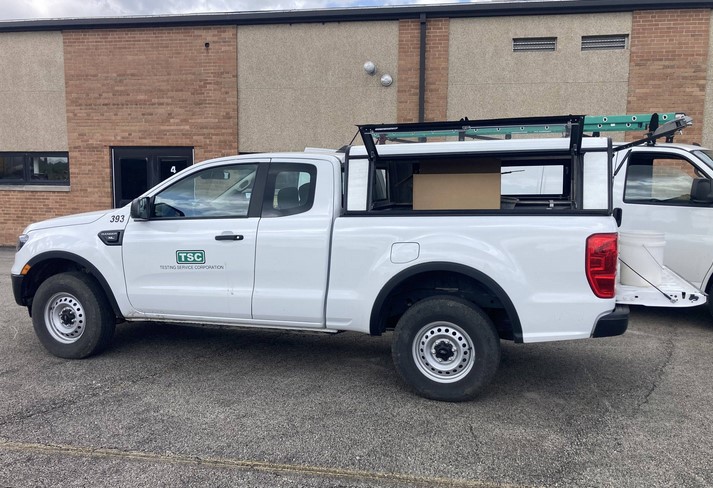
Pickup trucks provide excellent versatility for businesses that need to transport tools, building materials, or heavy equipment. Industries such as construction, landscaping, and maintenance services often rely on pickup trucks because of their durability and towing capabilities.

Modern pickup trucks also offer advanced safety systems, comfortable cabins, and strong engines that can handle demanding workloads. Their open cargo beds make loading and unloading equipment quick and convenient.

For businesses operating in rural areas or rough terrain, four-wheel-drive pickup trucks can provide additional traction and stability.

3. Light Commercial Trucks

Light commercial trucks are ideal for businesses that require higher cargo capacity than vans or pickups can provide. These trucks are often used by moving companies, furniture delivery services, and larger logistics operations.

Box trucks, for example, provide a large enclosed cargo area with a flat loading floor. This design allows businesses to transport bulky or high-volume items efficiently.

Although these trucks require more space to operate, they are valuable assets for businesses that handle significant delivery loads.

4. Compact Cars for Service Teams

Not all businesses require large cargo vehicles. Companies that provide consulting services, inspections, or sales visits may benefit from smaller, fuel-efficient cars.

Compact vehicles reduce fuel expenses and are easier to maneuver in crowded urban environments. They also typically have lower maintenance costs compared to larger vehicles.

These cars are commonly used by field sales teams, insurance inspectors, and technicians who primarily travel between locations rather than transporting heavy equipment.

Key Factors to Consider When Building a Fleet

Selecting vehicles for a business fleet involves more than simply choosing the most affordable option. Several important factors must be evaluated to ensure the vehicles support long-term business success.

1. Fuel Efficiency

Fuel expenses can represent a significant portion of fleet operating costs. Choosing vehicles with strong fuel efficiency helps reduce ongoing expenses, particularly for businesses that operate daily deliveries or long-distance routes.

Hybrid and electric vehicles are also becoming increasingly popular in business fleets due to their lower fuel and maintenance costs.

2. Reliability and Durability

Fleet vehicles often operate under demanding conditions. Frequent driving, heavy loads, and long work hours can place stress on mechanical components.

Selecting vehicles with proven reliability records helps minimize downtime caused by mechanical issues. Regular maintenance schedules also help extend vehicle lifespan.

3. Maintenance and Service Costs

Routine maintenance is unavoidable for any vehicle, but some models are more expensive to maintain than others. Businesses should consider the availability of spare parts, service networks, and warranty coverage when selecting fleet vehicles.

Vehicles that require specialized or expensive parts may increase long-term operating costs.

4. Cargo and Storage Needs

The size and configuration of the cargo area should match the business’s operational requirements. Businesses that transport fragile goods may require enclosed cargo spaces, while companies moving construction materials may prefer open truck beds.

Properly matching cargo capacity to operational needs prevents inefficiencies and ensures drivers can complete their tasks effectively.

5. Driver Comfort and Safety

Drivers who spend many hours on the road benefit from comfortable seats, good visibility, and modern safety features. Vehicles equipped with advanced safety systems such as lane assistance, collision warning, and adaptive cruise control can help reduce accident risks.

Driver comfort also contributes to productivity, particularly for businesses with long delivery routes or frequent travel schedules.

Benefits of Managing a Business Fleet

Establishing a fleet offers several strategic advantages for small businesses seeking growth and operational efficiency.

Improved Operational Control

Having dedicated vehicles allows businesses to manage schedules, routes, and deliveries more effectively. Companies can respond to customer demands quickly without relying on third-party transportation providers.

Professional Brand Image

A well-maintained fleet with consistent branding enhances the company’s professional image. Customers often associate branded vehicles with reliability and established business operations.

Scalability for Business Growth

As businesses expand, fleets can be gradually increased to accommodate growing demand. Adding new vehicles allows companies to enter new markets, extend delivery coverage, and increase service capacity.

Enhanced Productivity

Fleet vehicles enable employees to perform their tasks more efficiently. Technicians, delivery drivers, and service teams can reach job locations faster and carry all necessary equipment with them.

Transportation plays a vital role in the success of many companies, especially those involved in logistics, delivery services, and field operations. Building a reliable fleet allows businesses to improve efficiency, reduce operational costs, and maintain greater control over daily activities. By carefully selecting vehicles based on reliability, fuel efficiency, cargo capacity, and driver comfort, companies can create a transportation system that supports long-term growth. A well-planned Small business fleet not only improves operational performance but also strengthens brand visibility and customer satisfaction, helping businesses operate more effectively in competitive markets.

Best Commercial Trucks: Top Picks for Business and Heavy-Duty Use

Source:https://di-uploads-pod35.dealerinspire.com

When it comes to running a successful business that requires transporting goods, equipment, or even passengers, choosing the best commercial trucks is crucial for maintaining efficiency, safety, and profitability. Commercial trucks play a pivotal role in many industries, from logistics and construction to delivery services and waste management. The right truck can streamline operations, reduce costs, and ensure reliable service to your clients. In this article, we will explore some of the best commercial trucks available for 2025, covering their key features, performance, and the specific needs they address in business and heavy-duty use.

1. Why the Right Commercial Truck Matters for Your Business

Choosing the best commercial truck is not just about picking a reliable vehicle; it’s about selecting one that fits your business’s specific requirements. Whether you’re in the construction industry, delivery services, or logistics, the truck you choose will impact your operational efficiency, safety, and bottom line.

1.1. Durability and Longevity

Commercial trucks are often driven for thousands of miles every year. The durability and longevity of a truck are essential factors to consider, especially for businesses that rely on regular transportation. A truck that can endure years of heavy use, withstand harsh conditions, and require minimal repairs is a wise investment in the long run.

1.2. Payload Capacity and Towing Ability

Depending on your business, the ability to haul heavy loads or tow large trailers can be critical. Many businesses need trucks that can handle substantial payloads without compromising safety or performance. Be sure to choose a truck with the appropriate payload capacity and towing capabilities that align with your business’s operational needs.

1.3. Fuel Efficiency and Operating Costs

Fuel is one of the most significant ongoing expenses for businesses that rely on commercial trucks. As fuel prices fluctuate, having a truck with better fuel efficiency can help reduce operational costs. Furthermore, consider a truck that is easy and cost-effective to maintain. Regular servicing and repairs can add up over time, so choosing a truck with reliable components and a reputation for low maintenance costs can help improve the profitability of your business.

1.4. Safety Features

Commercial trucks are often large and heavy, making safety an essential consideration. Advanced safety features like collision mitigation systems, lane-departure warnings, and backup cameras can help prevent accidents and protect both the driver and the cargo. For businesses that prioritize safety, investing in vehicles with comprehensive safety technologies is crucial.

2. Top Commercial Trucks for 2025: Heavy-Duty and Reliable

As the demand for versatile, heavy-duty vehicles continues to grow, manufacturers have responded with a range of commercial trucks that combine power, efficiency, and technology. Here are some of the best commercial trucks for 2025, each designed to meet the demands of businesses in various industries.

2.1. Ford Super Duty F-Series (F-250, F-350, F-450)

The Ford Super Duty F-Series has long been a favorite among businesses that require powerful, durable trucks for heavy-duty use. The 2025 models (F-250, F-350, F-450) come with impressive towing and payload capacities, making them ideal for construction, landscaping, and other heavy-duty industries. The F-Series trucks are available with both gasoline and diesel engine options, providing flexibility based on fuel preference and performance requirements.

Key Features:

  • Best-in-class towing capacity (up to 37,000 pounds with F-450)
  • Powerful 7.3L V8 engine and 6.7L PowerStroke diesel engine options
  • Advanced driver-assistance features, including adaptive cruise control and trailer backup assist
  • Large cargo bed and cab configurations for various business needs
  • Industry-leading towing and payload capacity

For businesses in need of a rugged, dependable workhorse with the ability to handle massive loads, the Ford Super Duty F-Series continues to be one of the best commercial trucks for heavy-duty use.

2.2. RAM 2500/3500 Heavy Duty

The RAM 2500 and 3500 Heavy Duty trucks are popular choices for commercial use, offering robust towing capacities, impressive payload options, and a comfortable ride. These trucks are often used in industries like construction, agriculture, and towing services. The RAM Heavy Duty models are known for their upscale interiors and user-friendly technology, making them an excellent choice for business owners who want both power and comfort.

Key Features:

  • Available 6.7L Cummins turbo-diesel engine with up to 1,000 lb-ft of torque
  • Towing capacity of up to 37,100 pounds for the 3500 model
  • Luxurious interior with high-quality materials and user-friendly infotainment system
  • Advanced safety features like forward-collision warning and blind-spot monitoring
  • Versatile bed and cab configurations to suit different business needs

The RAM 2500/3500 Heavy Duty trucks are built to last and provide businesses with the power and comfort they need to get the job done.

2.3. Chevrolet Silverado 2500HD/3500HD

The Chevrolet Silverado 2500HD and 3500HD are standout heavy-duty trucks that offer a combination of strong towing capabilities, ample cargo space, and impressive engine performance. The 2025 models come with both gasoline and diesel engine options, with the diesel version offering up to 910 lb-ft of torque for impressive towing power. The Silverado series is well-regarded for its durability and has been a staple in the commercial truck market for years.

Key Features:

  • Up to 36,000 pounds of towing capacity with the diesel engine
  • Available 6.6L Duramax diesel engine and 6.6L V8 gasoline engine options
  • Advanced towing features such as trailer sway control and trailer brake controller
  • Spacious and functional interior with high-tech features for business owners and drivers
  • Robust suspension and chassis for heavy-duty applications

For businesses needing a truck with strong towing capabilities and durability, the Chevrolet Silverado 2500HD and 3500HD are solid choices in 2025.

2.4. Isuzu NPR-HD

If your business needs a truck for urban deliveries, moving services, or other heavy-duty tasks requiring maneuverability, the Isuzu NPR-HD is an excellent option. Known for its durability and excellent payload capacity, the Isuzu NPR-HD offers an impressive 14,500-pound gross vehicle weight rating (GVWR) and a variety of configurations to suit different types of commercial use. The smaller size of the NPR-HD makes it easier to navigate tight city streets while still carrying heavy loads.

Key Features:

  • 14,500-pound GVWR and 19,500-pound towing capacity
  • 6.6L V8 diesel engine for ample torque and power
  • Excellent turning radius for city driving and tight spaces
  • Standard rearview camera and collision mitigation systems
  • Multiple body styles and configurations, including box trucks, flatbeds, and dump trucks

The Isuzu NPR-HD is perfect for businesses that need a smaller, more agile vehicle for urban and city-based commercial applications without sacrificing payload capacity.

2.5. Hino 268A

For businesses in need of a medium-duty truck with a focus on durability and performance, the Hino 268A is a solid choice. Hino, a subsidiary of Toyota, offers a range of commercial trucks known for their reliability and fuel efficiency. The Hino 268A offers a gross vehicle weight rating (GVWR) of 25,500 pounds, making it suitable for moving, delivery, and logistics companies that need a truck that balances payload capacity with maneuverability.

Key Features:

  • 7.6L turbo diesel engine with up to 220 horsepower and 520 lb-ft of torque
  • 25,500-pound GVWR, ideal for urban and highway deliveries
  • Excellent fuel economy, reducing operating costs over time
  • Advanced safety features, including a collision avoidance system and lane-departure warning
  • Spacious cargo area with customizable configurations

The Hino 268A is an excellent choice for businesses that require a medium-duty truck capable of handling large loads while providing a smooth ride and excellent fuel economy.

3. Choosing the Best Commercial Truck for Your Business

When choosing the best commercial trucks for your business, there are several key factors to consider to ensure that the vehicle meets your specific needs:

3.1. Payload and Towing Capacity

Make sure the truck you choose can handle the typical loads and towing needs of your business. A truck with inadequate payload capacity can lead to inefficiencies, damage, and safety issues, while one with excess capacity can be unnecessarily costly.

3.2. Fuel Efficiency

With fuel costs being one of the biggest expenses for businesses, choosing a truck with good fuel efficiency is crucial. Consider hybrid or diesel options if you need long-range driving capabilities or frequent stop-and-go travel.

3.3. Maintenance and Durability

Commercial trucks often endure heavy wear and tear, so durability and ease of maintenance should be a priority. Look for trucks with a reputation for reliability and minimal downtime.

3.4. Safety Features

Safety should always be a top priority when selecting a commercial vehicle. Advanced safety technologies, such as lane-departure warning, adaptive cruise control, and automatic emergency braking, can help reduce the risk of accidents and protect drivers and cargo.

The best commercial trucks of 2025 offer a wide range of options for businesses that require heavy-duty performance, versatility, and cost-effective operation. From the powerful Ford Super Duty F-Series to the agile Isuzu NPR-HD, the trucks highlighted in this article offer exceptional features to help businesses

Truck Bed Toolboxes: Best Storage Solutions for Your Pickup

Source:https://cdn.shopify.com

When it comes to maximizing the functionality of your pickup truck, one of the best investments you can make is in truck bed toolboxes. These essential storage solutions provide a secure, organized, and easily accessible way to carry tools, equipment, and other valuable items, making them an indispensable addition for tradespeople, outdoor enthusiasts, and anyone who regularly uses their truck for hauling gear. Whether you’re a contractor, camper, or DIY enthusiast, the right toolbox can not only keep your equipment safe but also enhance the efficiency of your daily tasks. In this article, we will explore the best types of truck bed toolboxes available, their key features, and how to choose the ideal one for your needs.

1. Types of Truck Bed Toolboxes

Crossbed Toolboxes: The Classic Choice for Pickup Owners

The most common type of truck bed toolboxes is the crossbed toolbox, which sits across the width of the truck bed, just behind the cab. These toolboxes are a popular choice due to their large storage capacity, ease of access, and sturdy construction. They can be mounted in the bed or secured using a set of clamps for a more temporary solution. Crossbed toolboxes typically feature a single or double lid that opens towards the rear of the truck, offering full access to the contents.

Crossbed toolboxes are ideal for those who need to store a wide range of tools and equipment that need frequent access. Their flat-top design also allows for additional gear to be loaded on top, making them versatile for transporting other items such as large boxes or construction materials. The construction material for crossbed toolboxes varies, with aluminum and steel being the most common. Aluminum boxes are lightweight, resistant to corrosion, and typically more affordable, while steel boxes offer enhanced durability and security at a higher price.

Side-Mount Toolboxes: Maximizing Bed Space and Accessibility

If you’re looking for a toolbox that won’t take up the majority of your truck’s bed space, side-mount toolboxes are an excellent option. These toolboxes mount to the side walls of the truck bed, providing convenient storage without obstructing the center of the bed. Side-mount toolboxes are available in both short and long versions, with the longer models running along the entire length of the truck bed for maximum storage capacity.

This type of toolbox is perfect for those who need to maintain an open truck bed for larger equipment or supplies but still want to keep essential tools organized and accessible. Side-mount toolboxes are particularly popular among tradespeople who need to quickly access smaller items while working out of their truck. While they may not offer as much storage as crossbed toolboxes, they provide excellent flexibility for lighter-duty needs.

Chest and Drawer Toolboxes: Added Organization for Small Parts

For those who require both storage space and organization, chest and drawer toolboxes are another great option. These toolboxes feature a chest-style layout with multiple drawers or compartments, allowing for more systematic storage of smaller items such as nuts, bolts, screws, and hand tools. They are often mounted at the front or rear of the truck bed and are available in various sizes.

Chest and drawer toolboxes are ideal for people who need to keep their tools neatly organized and easy to access while working. The drawer system helps to prevent items from shifting around during transport and keeps your tools separated by size or type. Some chest and drawer units come with built-in dividers, making it even easier to organize and find the tools you need.

2. Key Features to Consider When Choosing the Best Truck Bed Toolbox

Security: Locking Mechanisms and Tamper-Proof Designs

One of the most important considerations when choosing the best truck bed toolboxes is security. Since these toolboxes are often used to store expensive tools and equipment, it’s crucial to select one with strong locking mechanisms to prevent theft or unauthorized access.

Many modern truck bed toolboxes come equipped with heavy-duty locks, often with a single or dual-locking system. These locks are typically made from corrosion-resistant materials and can be key-operated or feature combination lock designs for added convenience. Some premium models even feature tamper-proof technology, such as welded seams or concealed hinges, making it difficult for thieves to gain access. When choosing a toolbox, ensure the locking system is both secure and user-friendly.

Durability: Materials Built to Withstand the Elements

Since truck bed toolboxes are exposed to the elements, durability is a crucial factor to consider. Aluminum and steel are the two most common materials used in the construction of toolboxes, and each offers its own set of advantages and disadvantages.

  • Aluminum Toolboxes: Lightweight, resistant to rust and corrosion, and easier to install. Aluminum toolboxes are a great choice for those in need of a toolbox that can withstand wet or salty environments, such as coastal areas. However, aluminum is not as durable as steel and may be more prone to dents.
  • Steel Toolboxes: Heavier and more durable than aluminum, steel toolboxes are perfect for those who need maximum strength and security. However, they are prone to rust over time if not properly treated or maintained, so it’s essential to choose a steel toolbox with a protective coating or rust-resistant finish.

Many toolboxes also feature weather-resistant seals and gaskets around the lid to keep moisture and dirt out, ensuring your tools remain clean and dry during storage.

Size and Capacity: Finding the Right Fit for Your Needs

The size and storage capacity of the toolbox will depend on the amount of gear you plan to store and the size of your truck bed. The best truck bed toolboxes are those that fit perfectly in your vehicle without taking up too much space or obstructing your view.

When choosing a toolbox, consider both the overall dimensions and the internal layout. Some toolboxes come with adjustable dividers or removable trays to maximize storage space and help keep smaller items organized. If you frequently haul large equipment, you may want to consider a larger crossbed toolbox or a side-mount option with expandable storage features.

3. Additional Features That Enhance Functionality

Weatherproofing and Insulation

Another useful feature to look for in truck bed toolboxes is weatherproofing. Many high-quality toolboxes are designed to withstand exposure to rain, snow, and extreme temperatures. Look for a toolbox with a high-quality seal around the lid to prevent water from seeping in and damaging your tools. Additionally, some models are insulated to provide extra protection against heat or cold, keeping sensitive equipment from being exposed to the elements.

Easy Installation and Accessibility

A toolbox that is difficult to install or hard to access can be more of a hindrance than a help. When shopping for the best truck bed toolboxes, make sure to choose one that offers easy installation, ideally with a clamp-on or bolt-on system that does not require major modifications to your truck. Additionally, choose a toolbox with a design that allows for quick, hassle-free access to your tools, whether it’s a single large lid or a set of convenient drawers.

In conclusion, finding the best truck bed toolboxes requires evaluating your specific storage needs, truck size, and preferred level of security and durability. Whether you’re looking for a crossbed toolbox for maximum storage or a side-mount option to keep your truck bed open, there are plenty of choices available to suit different requirements. Features like weatherproofing, security locks, and easy accessibility ensure that you can store your tools safely and efficiently, allowing you to get the job done with ease. Investing in a high-quality toolbox for your truck bed will not only help keep your tools organized but will also extend the life of your gear by protecting it from the elements.