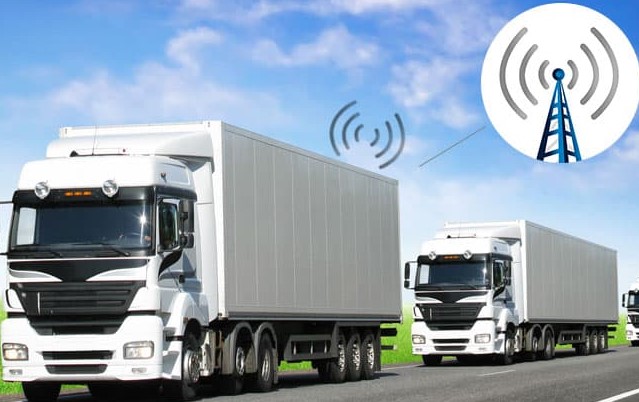
Three years ago, a close friend of mine—who runs a mid-sized delivery fleet—called me at 2:00 AM. One of his box trucks, loaded with high-value electronics, had vanished from the driver’s driveway. The driver had followed all protocols, but professional thieves are faster than protocols. Because he had invested in a high-end tracking system just two months prior, we sat at his kitchen table and watched a blinking blue dot move across the interstate in real-time. Within forty minutes, the police had intercepted the vehicle.
In my ten years in the automotive industry, I’ve seen GPS tracking evolve from a “nice-to-have” luxury into the literal heartbeat of commercial operations. Today, it’s not just about knowing where your trucks are; it’s about fuel efficiency, driver safety, and predictive maintenance. If you are still managing your fleet with spreadsheets and “phone-call check-ins,” you aren’t just behind the curve—you’re leaving money on the table and your assets at risk. Let’s break down the best GPS tracking systems for commercial fleets and how to choose the one that fits your mission.
The “Check Engine” for Your Business: Why Tracking Matters
I like to tell fleet managers that a GPS tracker is like a fitness tracker for your truck. Just as a smartwatch monitors your heart rate and steps, a fleet management system monitors the “health” and “behavior” of your vehicles.
The Real Benefits:
-
Theft Recovery: As seen in my 2:00 AM story, real-time visibility is the difference between a recovered asset and a total loss.
-
Fuel Savings: Systems now track “Idling Time.” If a driver leaves the engine running for 45 minutes while eating lunch, you’re literally burning cash.
-
Driver Accountability: Tracking “Harsh Braking” and “Rapid Acceleration” helps you coach drivers before they cause an accident.
-
Compliance: Modern systems automatically handle ELD (Electronic Logging Device) and IFTA (International Fuel Tax Agreement) reporting, saving you dozens of hours of paperwork.
The Big Three: Top GPS Tracking Systems for 2026
After testing dozens of platforms and seeing them perform in high-pressure environments, three names consistently rise to the top of the pile.
1. Samsara: The “All-in-One” Powerhouse
Samsara is the current heavyweight champion for a reason. They offer a unified “Operations Cloud” that connects everything.
-
Best For: Large fleets and enterprises that need a “single-pane-of-glass” solution.
-
The Killer Feature: AI Dash Cams. Their cameras can detect if a driver is looking at their phone or distracted and provide real-time voice coaching to correct it before a crash happens.
-
LSI Terms: Telematics, IoT sensors, cloud-based dashboard.
2. Verizon Connect (Reveal): The Reliability King
Leveraging Verizon’s massive network infrastructure, this system offers some of the most stable and high-frequency location updates in the industry.
-
Best For: Mid-sized fleets that prioritize dispatching and route optimization.
-
The Killer Feature: Route Replay. You can literally “rewind” a driver’s day to see exactly where they stopped, for how long, and if they took an unauthorized detour to a coffee shop.
3. Motive (Formerly KeepTruckin): The Compliance Specialist
Motive has built a reputation for having the most user-friendly interface for both drivers and managers.
-
Best For: Small-to-mid-sized trucking companies that need rock-solid ELD compliance.
-
The Killer Feature: Automated HOS (Hours of Service) Tracking. It’s nearly foolproof, which keeps DOT inspectors happy and your trucks on the road.
Technical Deep Dive: 2G vs. 4G vs. Satellite
When looking for GPS tracking systems for commercial fleets, you’ll hear a lot of “tech-speak.” Here is what actually matters:
-
Refresh Rates: Some cheap units only update every 2 or 5 minutes. In a theft situation, 5 minutes is an eternity. Look for systems with 30-second or 1-second updates.
-
Plug-and-Play vs. Hardwired: * OBD-II (Plug-and-Play): Great for vans and cars. Easy to install but also easy for a driver to unplug.
-
Hardwired: Hidden behind the dash. Harder to tamper with and can pull more data from the vehicle’s computer (like fuel levels and engine fault codes).
-
-
Geofencing: This allows you to draw a virtual “fence” around a job site or parking lot. If the vehicle leaves that zone outside of work hours, your phone explodes with alerts.
Expert Advice: The “Hidden” ROI of Fleet Tracking
Many beginners look at the monthly subscription fee (usually $20 – $50 per vehicle) and hesitate. But here is an “insider” tip: Call your insurance agent before you buy.
Most commercial insurance providers offer significant discounts—sometimes up to 15%—on your premiums if you have an active GPS tracking and driver-coaching system installed. In many cases, the insurance savings alone pay for the entire system.
Pro Tip: Don’t just buy the hardware. Check the Contract Length. Many legacy providers try to lock you into 36-month or 60-month contracts. In 2026, look for providers offering flexible 12-month terms or even month-to-month options for smaller fleets.
Privacy vs. Performance
One thing I’ve learned through trial and error: Transparency with your drivers is vital. If you “spy” on your drivers without telling them, morale will plummet faster than a lead weight.
Analogy: A GPS tracker shouldn’t be a “Police Officer” in the passenger seat; it should be a “Co-Pilot.” Frame the installation as a safety tool that protects them from false accident claims and helps the company grow so everyone gets a raise.
Conclusion: Stop Flying Blind
The days of wondering where your assets are located are over. Investing in one of the best GPS tracking systems for commercial fleets isn’t just an expense—it’s a shield for your business and a turbocharger for your efficiency.
Whether you choose the AI-driven tech of Samsara, the reliability of Verizon, or the simplicity of Motive, the most important step is simply getting started.
Are you currently managing a fleet, or are you just starting your first commercial venture? Tell me about your biggest “fleet headache” in the comments, and let’s see if we can solve it with the right tech!