Category Archives: Luxury Cars

Best Luxury SUVs for Long Trips: Comfort, Space, and Performance

Source:https://robbreport.com

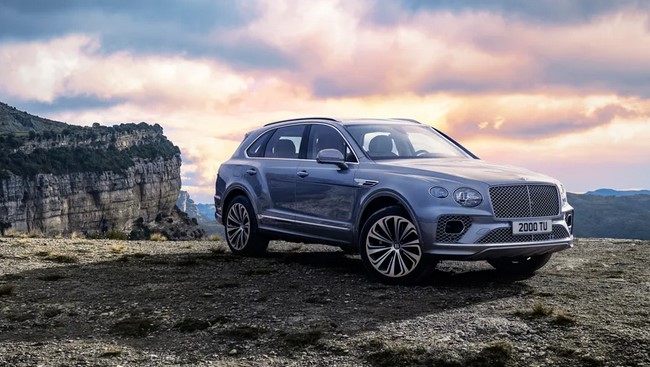
For drivers who prioritize comfort, space, and top-tier performance on long journeys, selecting the right vehicle can make all the difference. The Best luxury SUVs for long trips combine refined interiors, advanced technology, and powerful engines with reliability and smooth handling, creating an unmatched travel experience. These vehicles cater not only to families and adventurers but also to professionals who demand both practicality and sophistication. This article explores the key features to consider when choosing a luxury SUV for long-distance travel, highlights standout models, and provides insights into optimizing comfort and performance on extended journeys.

What Makes a Luxury SUV Ideal for Long Trips

Long trips demand more than just a stylish vehicle. A luxury SUV must balance comfort, performance, and practicality to ensure an enjoyable experience for both driver and passengers. There are several key criteria to consider:

  1. Interior Comfort and Space: Plush seating, adjustable ergonomics, climate control, and ample legroom are crucial. Luxury SUVs often offer multi-zone climate systems, ventilated or massaging seats, and flexible seating configurations, allowing passengers to travel in comfort for hours on end. Cargo space is also essential for luggage, sports equipment, or travel essentials.
  2. Driving Performance: Long-distance travel requires engines that provide smooth acceleration, high-speed stability, and efficient fuel consumption. Luxury SUVs often feature turbocharged engines, hybrid powertrains, or all-wheel-drive systems to maintain both performance and efficiency. Suspension systems and noise reduction technologies are equally important, as they reduce fatigue over extended drives.
  3. Technology and Entertainment: Long trips are made more enjoyable with advanced infotainment systems, rear-seat entertainment, premium sound systems, and smartphone integration. Navigation systems with real-time traffic updates, adaptive cruise control, and driver-assistance features enhance convenience, safety, and stress-free driving.
  4. Safety Features: Tire pressure monitoring, collision avoidance systems, lane-keeping assist, and blind-spot monitoring ensure the driver can navigate long highways safely. Adaptive suspension systems and stability controls also provide a smooth ride even on varied road conditions.
  5. Fuel Efficiency and Range: While luxury SUVs are often larger and heavier, modern engineering allows for improved fuel economy and longer driving ranges. This reduces the number of stops required, making long-distance travel more efficient and less tiring.

Top Luxury SUVs for Long-Distance Travel

Several models excel in the category of luxury SUVs ideal for long trips, offering a blend of space, comfort, and performance:

1. Mercedes-Benz GLS

The Mercedes-Benz GLS is often called the “S-Class of SUVs,” and for good reason. With seating for seven, supple leather interiors, and cutting-edge technology, it ensures both driver and passengers travel in ultimate comfort. Its air suspension system smooths out uneven roads, while the powerful inline-six or V8 engine provides effortless acceleration. The GLS also offers advanced driver-assistance systems, making highway travel less stressful.

2. BMW X7

The BMW X7 combines dynamic handling with spacious interiors, making it ideal for long journeys. It features three rows of seats, luxurious materials, and a panoramic glass roof that enhances the sense of space. The X7 offers robust engine options and all-wheel drive, ensuring confident performance in varying road conditions. Infotainment options and connectivity features keep passengers entertained throughout extended drives.

3. Audi Q8

The Audi Q8 provides a perfect blend of sporty performance and luxury comfort. Its sleek design conceals a roomy cabin equipped with high-quality finishes and advanced technology. The Quattro all-wheel-drive system delivers stability, while adaptive air suspension ensures a smooth ride. The Q8’s infotainment and navigation systems make route planning and entertainment effortless, enhancing long-trip convenience.

4. Range Rover Autobiography

Range Rover Autobiography is a benchmark for off-road-capable luxury SUVs. Its air suspension, adjustable ride height, and powerful engines allow for both comfort and capability. The interior is lavish, with options for heated and cooled seats, massaging functions, and an abundance of cabin space. This SUV is ideal for long trips where comfort and adaptability to different terrains are equally important.

5. Lexus LX 600

The Lexus LX 600 combines reliability with premium comfort. Its robust V8 engine and four-wheel-drive system provide confidence on highways and challenging roads. The interior features advanced entertainment systems, spacious seating, and refined materials, making it a top choice for extended journeys. Lexus also emphasizes quiet cabin design, reducing road noise and driver fatigue over long distances.

Tips for Maximizing Comfort and Performance on Long Trips

Owning a luxury SUV is only part of the equation; drivers can further enhance their long-distance travel experience through practical tips:

  • Pre-Trip Vehicle Check: Ensure tires, brakes, fluids, and battery are in optimal condition. A well-maintained SUV handles better and is less likely to experience issues on the road.
  • Plan Breaks Strategically: Even with the most comfortable seats, regular stops for stretching, meals, and refueling reduce fatigue.
  • Leverage Technology: Utilize adaptive cruise control, lane-keeping assist, and navigation systems to reduce stress and improve efficiency.
  • Pack Smartly: Organize luggage to maximize space and accessibility, keeping essential items within reach without compromising passenger comfort.

For travelers seeking comfort, space, and superior performance, the Best luxury SUVs for long trips provide an unparalleled experience. Vehicles like the Mercedes-Benz GLS, BMW X7, Audi Q8, Range Rover Autobiography, and Lexus LX 600 demonstrate how thoughtful design, advanced technology, and refined engineering converge to make extended journeys enjoyable and stress-free. By selecting a luxury SUV tailored to both passenger needs and driving preferences, drivers can transform long trips into smooth, comfortable, and memorable experiences. Choosing the right SUV ensures that each journey is as rewarding as the destination itself, making the best luxury SUVs for long trips a worthy investment for both comfort and performance.

How to Maintain a Luxury Car: Essential Care and Maintenance Tips

Source:https://www.thecarlofts.com

Owning a luxury car is not just about prestige and performance—it is also a responsibility that requires careful attention to detail. High-end vehicles are equipped with advanced technology, precision engineering, and premium materials that demand specialized care. Understanding How to maintain a luxury car is essential to preserving its performance, appearance, and long-term value. Neglecting routine maintenance or using improper techniques can lead to costly repairs and reduced resale value. This article provides a comprehensive guide to essential care and maintenance strategies that every luxury car owner should follow.

Understanding the Unique Needs of Luxury Vehicles

Luxury cars differ significantly from standard vehicles in terms of engineering, components, and maintenance requirements. They often feature high-performance engines, sophisticated electronics, adaptive suspensions, and exotic materials such as carbon fiber, leather, and aluminum. These components contribute to superior performance and comfort but also require specialized attention to function optimally.

One key aspect of maintaining a luxury car is adherence to the manufacturer’s recommended service schedule. Luxury car manufacturers invest heavily in research and testing, producing detailed maintenance guidelines that ensure optimal performance and safety. Ignoring these schedules can lead to premature wear or malfunction of critical systems.

Additionally, luxury cars may incorporate advanced driver-assistance systems (ADAS), hybrid or electric powertrains, and high-output braking systems. Regular inspections of these systems are crucial, as they often require specific diagnostic tools and software that general service centers may not possess.

Essential Maintenance Tips for Luxury Car Owners

Proper maintenance of a luxury car involves several layers of care, from mechanical upkeep to cosmetic preservation. Here are some key areas to focus on:

1. Regular Engine and Fluid Maintenance

The engine is the heart of any vehicle, and luxury cars often employ high-performance engines that require premium care. Routine oil changes using manufacturer-recommended synthetic oils are crucial for maintaining engine health. Similarly, other fluids—such as transmission fluid, brake fluid, coolant, and differential oil—should be checked and replaced according to service intervals.

Monitoring fluid levels and quality helps prevent overheating, corrosion, and component failure. Luxury cars may also feature electronic fluid monitoring systems that alert owners when maintenance is needed, making it easier to stay proactive.

2. Tire and Brake Care

High-performance tires and braking systems are standard in luxury vehicles. Maintaining proper tire pressure, wheel alignment, and tread depth ensures optimal handling and safety. Regular inspection of brakes, including pads, discs, and hydraulic components, is essential because luxury cars often use advanced braking systems that operate at higher performance thresholds than standard vehicles.

Rotating tires and balancing wheels help extend tire life and maintain ride quality. For high-end vehicles, using the manufacturer’s recommended tire models and brake fluids is critical, as substitute components may not meet performance specifications.

3. Electronics and Software Updates

Modern luxury cars are highly computerized, featuring infotainment systems, adaptive cruise control, collision avoidance technology, and more. Software updates are necessary to maintain functionality, improve safety, and optimize performance. Scheduling these updates at authorized service centers ensures that firmware and electronic control units are properly calibrated.

Regular diagnostics can detect hidden issues in engine management, suspension, or electronic systems before they escalate. Many luxury vehicles also provide telematics or remote monitoring options, allowing owners and service centers to track performance and maintenance needs proactively.

4. Exterior and Interior Care

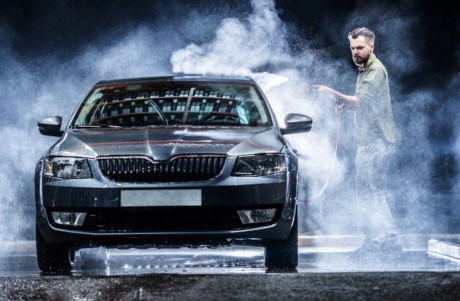
Preserving a luxury car’s aesthetics is as important as maintaining its mechanical integrity. High-quality paint, chrome accents, and custom finishes require careful washing, waxing, and detailing. Avoiding harsh chemicals and using pH-balanced automotive products prevents damage to sensitive surfaces.

Interior materials such as leather, Alcantara, and wood trims should be cleaned with manufacturer-approved conditioners and cleaners. Regular vacuuming and UV protection help prevent fading, cracking, and wear, ensuring the cabin retains its premium appearance over time.

5. Storage and Seasonal Maintenance

Proper storage is essential for luxury cars, especially for owners in regions with extreme temperatures or limited use during certain seasons. Indoor garages or climate-controlled environments protect the vehicle from sunlight, moisture, and temperature fluctuations. For cars not driven regularly, using trickle chargers, maintaining tire pressure, and periodically starting the engine helps prevent deterioration.

Seasonal maintenance, such as preparing for winter or summer conditions, ensures that fluids, tires, and battery systems are optimized for environmental challenges.

Choosing Professional Services and Expertise

While some maintenance tasks can be performed by knowledgeable owners, luxury cars benefit greatly from professional servicing. Authorized dealerships and certified service centers have specialized tools, trained technicians, and access to genuine parts. Choosing experienced service providers ensures that maintenance is performed to manufacturer standards, preserving warranties and performance.

Additionally, keeping detailed maintenance records enhances resale value. Prospective buyers are more likely to invest in a vehicle with documented service history, which demonstrates responsible ownership.

Maintaining a luxury vehicle requires a proactive, detail-oriented approach that addresses both mechanical performance and aesthetic preservation. From regular engine and fluid checks to tire care, software updates, and careful storage, understanding How to maintain a luxury car is essential for ensuring longevity, safety, and value. By following manufacturer guidelines, investing in professional services, and paying attention to both performance and appearance, owners can enjoy the full experience of luxury motoring while protecting their investment. Ultimately, proper care ensures that the vehicle continues to perform at its peak and remains a source of pride for years to come.

Rare Ferrari Models: The Most Exclusive and Collectible Cars

Source:https://cdn.ferrari.com

Ferrari has long been synonymous with luxury, performance, and automotive artistry. Among its extensive lineup, certain vehicles stand out as the pinnacle of exclusivity—Rare Ferrari models that are coveted not only for their performance but also for their scarcity and historical significance. These cars often represent limited production runs, unique customizations, or milestones in Ferrari’s illustrious history. Collectors, enthusiasts, and investors alike prize these models for their combination of engineering excellence, design innovation, and long-term value. This article explores some of the most iconic rare Ferrari models, what makes them so collectible, and why they continue to capture the imagination of automotive aficionados around the world.

Defining Rarity in Ferrari Vehicles

Ferrari’s approach to rarity goes beyond simply producing a limited number of cars. Many rare Ferrari models were created to celebrate milestones, participate in motorsports, or fulfill custom orders for distinguished clients. These vehicles are not only distinguished by low production numbers but also by unique design elements, advanced engineering, and historical context.

Several factors contribute to a Ferrari being classified as rare:

  • Limited Production: Models with fewer than 100 units, or even fewer than 10 in some cases, are considered exceptionally rare.
  • Custom Coachbuilding: Some Ferrari owners commissioned bespoke designs from coachbuilders like Pininfarina or Scaglietti, resulting in one-of-a-kind vehicles.
  • Motorsport Heritage: Cars that achieved racing success or were developed as homologation specials often become highly collectible.
  • Unique Specifications: Variants with unique color schemes, interior trims, or performance packages are also sought after.

Rare Ferrari models often appreciate significantly over time, making them not only symbols of prestige but also valuable assets for collectors and investors.

Iconic Examples of Rare Ferrari Models

Ferrari has a rich history of producing cars that meet these criteria, with several standout models earning legendary status.

1. Ferrari 250 GTO

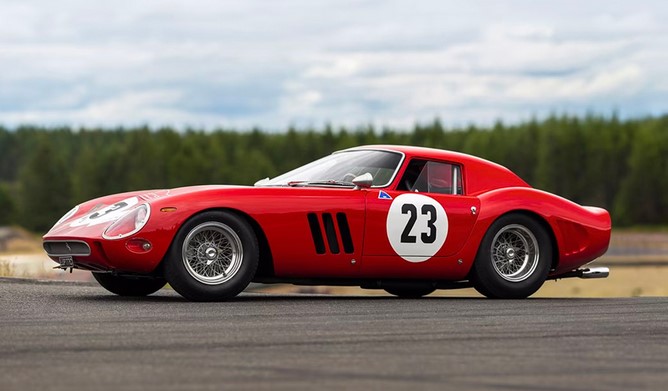
The Ferrari 250 GTO is widely regarded as the most iconic and collectible Ferrari ever produced. Built between 1962 and 1964, only 36 units were manufactured, making it extraordinarily rare. Designed for racing homologation, the 250 GTO combined lightweight construction, aerodynamic bodywork, and a 3.0-liter V12 engine producing exceptional performance for its era. Its racing pedigree, combined with its stunning aesthetics, has led to record-breaking auction prices exceeding $70 million, solidifying its status as the ultimate Ferrari collector’s car.

2. Ferrari F40

Celebrating Ferrari’s 40th anniversary, the F40 was produced between 1987 and 1992 with only 1,311 units built. It was the last Ferrari personally approved by founder Enzo Ferrari. Featuring a twin-turbocharged V8, a lightweight composite body, and minimal electronic intervention, the F40 offered raw, unfiltered driving experiences. Today, its scarcity, performance, and iconic styling make it one of the most sought-after modern Ferrari classics.

3. Ferrari 288 GTO

The 288 GTO, produced between 1984 and 1985 with just 272 units, was designed as a homologation special for Group B racing. Its mid-engine layout, turbocharged V8, and innovative engineering established it as a technological marvel of its time. The 288 GTO’s combination of rarity, performance, and racing lineage contributes to its status as one of Ferrari’s most collectible models.

4. Ferrari LaFerrari Aperta

The LaFerrari Aperta, a limited-run convertible variant of Ferrari’s hybrid hypercar, combines cutting-edge hybrid technology with Ferrari’s traditional performance pedigree. With only 210 units produced, it exemplifies modern rarity. The car’s advanced KERS hybrid system and aggressive styling make it highly desirable among collectors who appreciate both technological innovation and exclusivity.

5. One-Off Custom Models

Ferrari’s one-off program allows select clients to commission bespoke vehicles tailored to their specifications. Examples include the SP12 EC, P540 Superfast Aperta, and Sergio. These vehicles often feature unique bodywork, special materials, and exclusive color palettes. Their individuality ensures they remain singular pieces in the Ferrari universe, commanding attention and value.

Why Rare Ferrari Models Are Highly Collectible

Several factors contribute to the enduring appeal of rare Ferrari models:

  1. Historical Significance: Many rare Ferraris are tied to notable milestones in Ferrari’s history or motorsport achievements. Ownership connects collectors to automotive heritage.
  2. Investment Potential: Limited availability and high demand drive appreciation in value over time, often surpassing other luxury assets.
  3. Design Excellence: Ferrari consistently blends performance with artistic design. Rare models exemplify this philosophy, making them highly desirable aesthetically.
  4. Driving Experience: Beyond being collectible, rare Ferraris provide extraordinary performance and handling, offering an unparalleled connection between driver and machine.

Collectors often prioritize models that combine rarity, historical importance, and performance, ensuring that these vehicles maintain their cultural and financial significance for decades.

Owning or appreciating Rare Ferrari models is about more than possession—it is about celebrating engineering excellence, artistic design, and automotive history. From legendary classics like the 250 GTO to modern one-off hypercars, these vehicles represent the pinnacle of Ferrari’s dedication to performance, innovation, and exclusivity. Their limited production, unique features, and racing heritage ensure that they remain highly sought-after, both as collectibles and as symbols of automotive achievement. For enthusiasts and investors alike, Rare Ferrari models continue to define the ultimate expression of luxury, performance, and automotive artistry.

How to Insure a Luxury Car: Tips for Finding the Best Coverage

Source:https://www.newindia-uae.com

Owning a luxury vehicle is about more than transportation—it represents craftsmanship, advanced technology, and significant financial investment. Because of their high value and specialized components, luxury cars require a different approach to insurance than standard vehicles. Understanding How to insure a luxury car properly is essential to protecting that investment from accidents, theft, and unexpected damage. This article provides a comprehensive overview of what makes luxury car insurance unique, the types of coverage to consider, and practical strategies for finding a policy that delivers both protection and value.

Why Luxury Cars Require Specialized Insurance

Luxury vehicles differ from standard cars in several important ways, all of which affect insurance needs and costs. These vehicles often feature high-performance engines, advanced driver-assistance systems, premium materials, and cutting-edge electronics. While these features enhance comfort and safety, they also increase repair complexity and replacement costs.

Repairing a luxury car typically requires specialized technicians, original manufacturer parts, and authorized service centers. Even minor damage can result in substantial repair bills compared to mainstream vehicles. As a result, insurers assess luxury cars as higher-risk assets, leading to higher premiums and stricter policy terms.

Another factor is vehicle value. Luxury cars depreciate differently, and some limited or high-end models may retain or even increase their value over time. Standard insurance policies that rely on actual cash value may not adequately cover the true worth of these vehicles in the event of a total loss. This makes selecting the right valuation method a critical decision.

Additionally, luxury cars are often targeted for theft due to their desirability and resale value. Insurers take this into account when determining coverage options and pricing, making comprehensive protection particularly important for owners.

Essential Coverage Options for Luxury Vehicles

Choosing the right coverage is the foundation of effective luxury car insurance. While basic liability insurance may satisfy legal requirements, it is rarely sufficient for high-value vehicles.

Comprehensive and collision coverage are essential. Collision coverage pays for damage resulting from accidents, regardless of fault, while comprehensive coverage protects against non-collision risks such as theft, vandalism, fire, or natural disasters. Given the cost of luxury car repairs, higher coverage limits are strongly recommended.

Agreed value coverage is another critical option. Unlike actual cash value policies, which factor in depreciation, agreed value coverage sets a predetermined payout amount in advance. This ensures that owners receive a fair settlement that reflects the vehicle’s true market value, particularly for rare or customized models.

Uninsured and underinsured motorist coverage is also important. If another driver causes an accident but lacks sufficient insurance, this coverage helps protect the luxury car owner from significant out-of-pocket expenses.

Optional Enhancements Worth Considering

Beyond standard coverage, several optional features can provide additional peace of mind. Gap insurance is valuable for financed or leased luxury vehicles, covering the difference between the vehicle’s value and the remaining loan balance in the event of a total loss.

Roadside assistance tailored to luxury vehicles is another enhancement. High-end cars may require flatbed towing or specialized handling, which standard roadside services may not provide. Rental reimbursement coverage that includes comparable luxury vehicles can also be beneficial, ensuring continuity of comfort and convenience while repairs are underway.

Tips for Finding the Best Luxury Car Insurance Policy

Finding the right insurance policy for a luxury car requires careful comparison and strategic decision-making. Not all insurers offer the same level of expertise or coverage options for high-end vehicles, so selecting a provider with experience in luxury auto insurance is essential.

Start by comparing insurers that specialize in high-value vehicles. These providers often understand the unique risks and repair requirements associated with luxury brands and can offer tailored coverage options. Reviewing policy exclusions carefully is also important, as some standard policies may limit coverage for custom parts or advanced technology features.

Deductible selection plays a key role in balancing premium costs and out-of-pocket expenses. Higher deductibles can reduce monthly premiums but may result in significant costs after an accident. Luxury car owners should choose deductibles that align with their financial comfort level.

Driving habits and vehicle usage also influence premiums. Limited mileage, secure garage storage, and advanced anti-theft systems can often qualify for discounts. Some insurers offer usage-based or customized policies that reflect how and when the vehicle is driven.

Bundling insurance policies is another effective strategy. Combining luxury car insurance with homeowners or umbrella insurance policies may result in lower overall premiums while expanding liability protection.

Insuring a luxury vehicle requires a thoughtful approach that goes beyond standard auto insurance considerations. By understanding the unique risks, selecting appropriate coverage options, and working with experienced insurers, owners can protect both their vehicle and their financial investment. Knowing How to insure a luxury car effectively ensures that in the event of an accident, theft, or loss, coverage aligns with the true value and sophistication of the vehicle. With the right policy in place, luxury car owners can enjoy confidence, security, and peace of mind every time they drive.

Best Entry-Level Luxury Cars: Affordable Models with Premium Features

Source:https://hips.hearstapps.com

For many car buyers, the allure of refined materials, cutting-edge technology, and elevated driving dynamics is irresistible—but budget constraints can make true luxury feel out of reach. Fortunately, Best entry-level luxury cars bridge the gap between mainstream affordability and upscale refinement. These models deliver premium comfort, advanced safety systems, and sophisticated styling without the steep price tag of flagship luxury vehicles. This article explores standout options in the segment, key criteria for choosing the right entry-level luxury car, and an innovative idea poised to redefine what “premium on a budget” can mean for discerning buyers.

What Defines an Entry-Level Luxury Car?

Understanding what makes a vehicle part of the entry-level luxury category is essential for evaluating choices and aligning them to personal preferences and lifestyle needs. Rather than simply being a cheaper luxury option, these cars offer a unique blend of performance, features, and brand heritage that elevate them above basic transportation.

Core Attributes of Entry-Level Luxury Vehicles

  • Premium Interiors and Materials: Soft-touch surfaces, high-quality upholstery (such as leather or synthetic alternatives), and thoughtful design details set these cars apart from mainstream counterparts. Attention to fit and finish enhances perceived value and comfort.
  • Advanced Technology and Infotainment: Entry-level luxury cars often lead mainstream models with larger touchscreen displays, intuitive user interfaces, smartphone integration (Apple CarPlay and Android Auto), digital instrument clusters, and driver-assist systems.
  • Refined Driving Dynamics: Suspension tuning, quieter cabins, and more responsive steering contribute to a smoother, more confident driving experience. While not always performance-focused, these vehicles emphasize balanced comfort and control.
  • Brand Prestige and Ownership Experience: Buying into a luxury brand—such as Audi, BMW, Mercedes-Benz, or Lexus—often includes perks like extended warranties, concierge services, and higher resale value.

Given these qualities, entry-level luxury cars make sense for buyers seeking a taste of refinement and innovation without paying a premium price typically associated with large sedans or high-end SUVs.

Standout Best Entry-Level Luxury Cars for Quality and Value

Several models consistently earn praise for delivering strong luxury value, sophisticated design, and long-term reliability. Below are some of the most compelling options currently on the market.

Compact Sedans and Sportbacks

Compact luxury sedans continue to be popular among buyers prioritizing driving dynamics and upscale interiors in a manageable package.

  • Audi A3 / S3: The Audi A3 combines elegant styling with a refined cabin and advanced infotainment system. Its turbocharged engine offers spirited performance while maintaining fuel efficiency. For those seeking a sportier edge, the S3 variant adds increased power and sharper handling.
  • BMW 2 Series: Known for its rear-wheel-drive heritage and engaging driving dynamics, the BMW 2 Series brings premium performance into a compact footprint. An available all-wheel-drive option enhances confidence in varied weather conditions.
  • Mercedes-Benz A-Class: Featuring one of the most advanced infotainment systems in its class with the MBUX interface, the A-Class focuses on tech-forward luxury. Its sleek design and comfortable cabin make it an appealing choice for urban professionals.

Compact SUVs

Luxury buyers with practical needs often gravitate toward small SUVs—vehicles that blend utility with upscale comfort.

  • Lexus UX: With its plush interior, reliable reputation, and strong suite of standard safety features, the UX delivers premium quality in a compact SUV. Its smooth ride and thoughtful ergonomics appeal to daily commuters and city drivers alike.
  • Volvo XC40: The XC40 stands out for its Scandinavian design ethos, intuitive user interface, and generous cargo space. With a focus on safety and comfort, it appeals to those who prioritize a holistic ownership experience.
  • Acura RDX: Offering a balance of value, performance, and standard features, the RDX provides a robust infotainment system, spacious interior, and responsive handling that aligns well with active lifestyles.

Electric and Electrified Contenders

As electrification expands across all market segments, entry-level luxury buyers can now access premium electric options with zero-emission performance.

  • Tesla Model 3 (Long Range): While often associated with tech-centric performance, the Model 3’s minimalist interior and impressive electric range position it as a compelling luxury-oriented EV. Over-the-air updates and a growing Supercharger network add ownership value.
  • Polestar 2: Polestar’s commitment to design and performance makes the Polestar 2 a sophisticated choice among luxury EVs. Its refined interior materials, strong acceleration, and intelligent systems emphasize a modern luxury driving experience.

A New Idea: Subscription-Enhanced Entry-Level Luxury Ownership

As the automotive market evolves, ownership models are shifting to emphasize flexibility and reduced financial commitment. One emerging concept poised to enhance the entry-level luxury experience is Subscription-Enhanced Luxury Access (SELA)—a hybrid model that combines an entry-level luxury vehicle purchase with an optional luxury subscription service for periodic upgrades and feature access.

How Subscription-Enhanced Luxury Access Works

Under the SELA model, buyers commit to purchasing or leasing an entry-level luxury car but gain access to an optional subscription overlay that provides:

  • Seasonal Vehicle Swaps: Access to higher-trim models, sport variants, or alternative body styles for short terms (e.g., weekends, vacations, business trips) without a long-term commitment.
  • Tech and Feature Boosts: Temporary activation of advanced luxury features such as augmented driver-assist packages, premium audio upgrades, or enhanced connectivity systems.
  • Event-Based Access: Special subscriptions for events—like road-trips, business showcases, or client meetings—where a more premium vehicle presence may be beneficial.

Benefits of SELA include greater flexibility, personalized vehicle experiences without multiple ownerships, and a pathway to experience higher tiers of luxury features before making long-term financial decisions. This model supports consumers who desire variety and premium exposure without the full cost of traditional luxury ownership.

Selecting from the Best entry-level luxury cars requires balancing performance, comfort, technology, and long-term ownership value. Whether you prioritize a refined compact sedan, a versatile luxury SUV, or an electrified premium ride, the options available today deliver exceptional quality and sophisticated features once reserved for higher-priced segments. Innovations like Subscription-Enhanced Luxury Access further democratize the premium experience, offering flexible access to elevated features and vehicles. For drivers seeking both value and premium appeal, entry-level luxury cars represent a smart bridge between everyday reliability and aspirational refinement.