Category Archives: Car Mods
Carbon Fiber Body Kits: Lightweight Upgrades for Style and Speed

Source:https://www.vividracing.com
Carbon fiber body kits have become one of the most sought-after upgrades for car enthusiasts looking to improve both the performance and aesthetics of their vehicles. Renowned for their exceptional strength-to-weight ratio, carbon fiber body kits provide a perfect balance between style and speed. These high-performance materials not only enhance the look of a car but also contribute to improved aerodynamics and reduced weight, resulting in better handling, faster speeds, and more efficient fuel consumption. In this article, we will explore the advantages of carbon fiber body kits, the different components available, and how to make the most of this popular modification.
1. The Advantages of Carbon Fiber Body Kits
Carbon fiber has revolutionized the automotive world, offering a range of benefits that traditional materials like steel and aluminum simply cannot match. Here are some of the key reasons why carbon fiber body kits are considered a premium upgrade:
1.1 Weight Reduction
One of the primary reasons car enthusiasts turn to carbon fiber body kits is the significant reduction in weight. Carbon fiber is incredibly lightweight yet extremely strong, making it ideal for reducing a vehicle’s overall weight without sacrificing durability. This weight reduction can have several positive effects on a car’s performance:
- Improved Handling: Lighter cars are easier to handle, with better cornering and more responsive steering. By swapping out heavier components for carbon fiber alternatives, a vehicle becomes more agile, especially at higher speeds.
- Faster Acceleration: Reducing the vehicle’s weight decreases the strain on the engine, allowing it to accelerate more quickly and efficiently. This results in improved 0-60 times and better performance on the track.
- Enhanced Fuel Efficiency: Less weight means less energy is required to move the car, resulting in improved fuel efficiency. Although carbon fiber body kits are not a substitute for a full weight-saving program, they do contribute to overall energy conservation.
1.2 Durability and Strength
Carbon fiber is known for its remarkable strength, especially in comparison to its weight. Unlike other lightweight materials, carbon fiber is highly resistant to damage, making it ideal for components exposed to stress, such as bumpers, side skirts, and hoods. A well-constructed carbon fiber body kit can withstand the wear and tear of daily driving, as well as minor accidents, better than traditional plastic or metal body parts. Additionally, carbon fiber doesn’t rust, making it a durable, long-term investment for your car.
1.3 Aesthetic Appeal
Beyond its performance advantages, carbon fiber is also prized for its sleek, modern look. Its distinctive weave pattern is immediately recognizable and lends a high-tech, performance-oriented aesthetic to any vehicle. Whether used for spoilers, fenders, or hoods, carbon fiber body kits add a touch of sophistication and racing-inspired style that is hard to ignore.
The unique appearance of carbon fiber can be further accentuated with a glossy or matte finish, depending on the desired look. Many enthusiasts opt for the classic gloss finish, which enhances the material’s reflective properties and highlights the intricate carbon fiber weave. The result is a striking visual upgrade that also speaks to the vehicle’s performance capabilities.
1.4 Increased Aerodynamics
Aerodynamics play a critical role in the performance of any vehicle, especially when it comes to high-speed driving. Carbon fiber body kits often include components like front splitters, rear diffusers, and side skirts, all of which serve to reduce drag and increase downforce. By optimizing airflow around the car, these components improve stability at high speeds and allow for better control in both street and track conditions.
The lightweight nature of carbon fiber allows for these aerodynamic components to be added without significantly affecting the car’s weight distribution. This results in a more balanced car that is both faster and more stable on the road or track.
2. Types of Carbon Fiber Body Kit Components
When it comes to upgrading your vehicle with carbon fiber body kits, there are a variety of components available to choose from. These parts are designed to enhance both the aesthetics and the performance of your car, depending on your goals.
2.1 Hoods
Carbon fiber hoods are among the most popular upgrades, offering a combination of weight reduction and visual appeal. A carbon fiber hood is much lighter than the stock steel or aluminum hoods, helping to lower the car’s center of gravity, which improves handling and performance. Additionally, many carbon fiber hoods come with functional vents that allow for better engine cooling, further enhancing the performance benefits.
2.2 Fenders
Replacing the factory fenders with carbon fiber options is a great way to shave off weight while improving the car’s appearance. Lightweight fenders contribute to better acceleration and braking performance, and they often feature stylish, aggressive designs that complement the vehicle’s overall aesthetics. Many car enthusiasts also choose to install carbon fiber fenders in conjunction with wider tires for an enhanced, more aggressive look.
2.3 Side Skirts and Rocker Panels
Side skirts and rocker panels are functional components that not only enhance the appearance of a car but also improve aerodynamics. Carbon fiber side skirts reduce the amount of air flowing underneath the car, helping to decrease drag and improve stability at high speeds. They also protect the lower body panels from road debris, reducing the risk of damage during spirited driving or track use.
2.4 Spoilers and Diffusers
For performance-driven enthusiasts, carbon fiber spoilers and diffusers are key components that boost downforce and handling at high speeds. These parts help to manage airflow over and under the car, preventing lift and enhancing grip. Carbon fiber spoilers also have the added benefit of being lighter than their metal counterparts, ensuring minimal weight impact while maximizing aerodynamic performance.
2.5 Bumpers and Grilles
Another common component in carbon fiber body kits is the front bumper and grille. Carbon fiber bumpers are significantly lighter than stock ones, contributing to weight reduction and improving the car’s crash protection. Many high-performance vehicles use carbon fiber bumpers and grilles for both their strength and their aggressive, race-inspired look. These parts often come with custom mesh grilles or intake systems to improve airflow to the engine, further enhancing engine cooling and performance.
3. Choosing the Right Carbon Fiber Body Kit for Your Vehicle
When selecting a carbon fiber body kit, it’s essential to choose one that fits your vehicle’s style and performance needs. Here are a few factors to consider when making your decision:
3.1 Consider Your Goals
Think about what you want to achieve with your carbon fiber body kit. If you’re primarily looking to reduce weight for better performance, focus on components like the hood, fenders, and rear wing. For those who are more interested in aerodynamics, look for components like front splitters, side skirts, and diffusers that enhance airflow and stability. If aesthetics are your main focus, any carbon fiber part will give your car a sleek, modern look, but consider pairing several components for a cohesive appearance.
3.2 Quality and Fitment
Not all carbon fiber body kits are created equal, so it’s important to do your research and purchase from reputable manufacturers. High-quality kits will not only provide better performance but also fit more precisely, reducing the risk of gaps or improper installation. Ensure that the carbon fiber is of the highest grade and that the kit is designed specifically for your make and model.
3.3 Installation and Maintenance
Installing a carbon fiber body kit requires attention to detail and, in many cases, professional help. While some components, like hoods or grilles, may be easy to install on your own, others, such as full body kits or spoilers, may require more expertise. Be sure to follow the manufacturer’s instructions or seek professional installation to ensure the best results.
Maintenance of carbon fiber parts is relatively easy. While the material is resistant to rust and corrosion, it can be prone to scratches and chips if not properly cared for. Regular washing with non-abrasive cleaners and waxing can help maintain the appearance of the carbon fiber and keep it looking as good as new.
Carbon fiber body kits offer an exceptional combination of lightweight performance upgrades, striking aesthetics, and enhanced aerodynamics. Whether you’re looking to improve your car’s speed, handling, or simply give it a more aggressive, high-tech look, carbon fiber components are a valuable investment. By choosing the right parts for your vehicle and maintaining them properly, you can maximize both the performance and style of your car, making it a true standout on the road or track.
Best Turbochargers 2025: Top Options for Boosting Horsepower

Source:https://www.usnews.com
Turbochargers have become a staple for performance enthusiasts and car manufacturers alike, offering an efficient way to boost horsepower without significantly increasing engine displacement. As we approach 2025, the demand for high-performance, high-efficiency turbochargers is set to rise even further. Whether you’re a seasoned car enthusiast or someone looking to enhance your vehicle’s performance, understanding the best turbochargers 2025 can help you make an informed decision. In this article, we’ll take a look at some of the top turbocharger models expected to hit the market in 2025 and explore how they can help you unlock more power from your engine.
Why Turbochargers Matter
Turbochargers work by forcing more air into an engine’s combustion chamber, allowing it to burn more fuel and produce more power. Unlike superchargers, which are mechanically driven by the engine itself, turbochargers use exhaust gases to spin a turbine, which then powers a compressor that pumps more air into the engine. This process effectively increases the amount of oxygen available for combustion, which results in higher performance levels.
The key benefits of turbochargers include:
- Increased Power Output: Turbochargers provide a significant boost in horsepower and torque, offering noticeable improvements in acceleration and top-end speed.
- Improved Efficiency: By using exhaust gases that would otherwise be wasted, turbochargers improve fuel efficiency. This means you can achieve more power while maintaining better fuel economy compared to a naturally aspirated engine.
- Smaller Engine Displacement: With a turbocharger, manufacturers can use smaller engine sizes without sacrificing performance, making it an excellent option for those who want both power and efficiency.
Now that we understand the basics, let’s dive into some of the best turbochargers 2025 that are set to make waves in the automotive industry.
1. Garrett GTX Gen II Turbocharger Series
Garrett is one of the most respected names in the world of turbochargers, known for its high-performance products that cater to both street and racing applications. The Garrett GTX Gen II Turbocharger Series, which is expected to remain a popular option in 2025, builds upon the legacy of its predecessor, offering substantial gains in efficiency, durability, and power output.
Key Features:
- Advanced Compressor Technology: The GTX Gen II features an updated, high-flow compressor wheel made of advanced materials like aluminum or titanium. This results in better airflow, which translates to increased power and faster spool times.
- Durability and Heat Resistance: One of the standout features of the GTX Gen II is its ability to handle extreme temperatures and pressures. The turbocharger’s design minimizes heat buildup, which extends its lifespan and ensures consistent performance during high-speed runs or long drives.
- Variety of Options: Garrett offers several sizes in the GTX Gen II range, allowing customers to choose the one that best suits their vehicle’s engine size and performance needs.
This series is perfect for enthusiasts looking for a balance between daily driving performance and track-ready power. The Garrett GTX Gen II Turbocharger Series provides a reliable and high-performance upgrade for a wide range of vehicles.
2. BorgWarner EFR Turbocharger
BorgWarner has long been a trusted name in the performance turbocharger market, and the BorgWarner EFR Turbocharger line is expected to dominate the best turbochargers 2025 list for many performance-focused vehicles. The EFR (Engineered for Racing) turbochargers are known for their outstanding spool time and excellent boost response, making them a favorite among performance enthusiasts.
Key Features:
- Dual Ball Bearing Technology: The EFR turbochargers feature a dual ball bearing system, which reduces friction and allows for faster spool-up times. This means more power is available earlier in the rev range, giving drivers quicker acceleration and better throttle response.
- Aerodynamic Turbine Design: BorgWarner’s turbine design has been optimized for maximum exhaust gas flow, which increases the overall efficiency of the turbo. This results in more horsepower without sacrificing reliability or longevity.
- Integrated Wastegate and Blow-Off Valve: Many models in the EFR range include an integrated wastegate and blow-off valve, which simplifies installation and reduces the complexity of the turbocharging system.
With excellent build quality and superior performance, the BorgWarner EFR series is ideal for those looking for a high-end turbocharger that can handle both street and track conditions with ease.
3. Precision Turbo PT5152
For those seeking an extreme power boost in their vehicles, the Precision Turbo PT5152 is a top contender among the best turbochargers 2025. Precision Turbo and Engine is renowned for its custom and high-performance turbochargers designed to meet the needs of serious tuners and racers.
Key Features:
- Massive Airflow Capacity: The PT5152 turbocharger features a large compressor wheel that is capable of moving a massive amount of air, making it suitable for high-horsepower applications, especially in vehicles with larger engines or custom builds.
- Durability and Strength: Built with durability in mind, the PT5152 is designed to withstand the extreme stresses and heat generated during high-performance driving. This turbocharger can handle up to 1,500 horsepower, making it perfect for drag racing or other extreme applications.
- Race-Proven Technology: The PT5152 incorporates race-proven technology and is tested in some of the most demanding motorsport environments, ensuring that it will deliver consistent, high-level performance on the street or track.
If you’re looking to push the limits of horsepower and acceleration, the Precision Turbo PT5152 is an excellent choice for achieving extreme performance.
4. Holset HE400 Turbocharger
Holset, a subsidiary of Cummins, is known for producing heavy-duty turbochargers for commercial vehicles, but their Holset HE400 Turbocharger is expected to make a splash in 2025 for those looking for a robust, reliable, and efficient performance turbocharger. Though initially designed for diesel engines, the HE400 has found its way into the high-performance market, offering significant upgrades for those with larger displacement engines or custom builds.
Key Features:
- Versatile Application: The HE400 is known for its versatility and can be used on a variety of engine types, both for daily driving and more specialized applications. This makes it a great option for those looking to modify their trucks or larger vehicles.
- Fuel-Efficient: Despite its large size and power potential, the HE400 is designed with fuel efficiency in mind. It provides a good balance between power and economy, making it suitable for both on-road and off-road vehicles.
- Heavy-Duty Performance: Built for heavy-duty applications, the HE400 can withstand the high-stress environments of racing, off-roading, or towing, ensuring longevity and reliability in tough conditions.
The Holset HE400 provides an excellent option for those looking to boost power in large-displacement engines or in more rugged, heavy-duty vehicles.
In 2025, turbochargers will continue to be the go-to solution for enthusiasts looking to maximize horsepower and performance without drastically increasing engine size. Whether you are looking for the best turbochargers 2025 for daily driving or extreme performance applications, options like the Garrett GTX Gen II, BorgWarner EFR, Precision Turbo PT5152, and Holset HE400 stand out as some of the most promising and high-performing models. These turbochargers not only offer excellent power gains but also ensure durability, quick spool times, and efficient performance, making them worthy investments for any vehicle upgrade. Whether you’re an experienced tuner or new to the world of forced induction, these turbochargers will provide the boost you need to take your vehicle’s performance to the next level.
How to Improve a Car’s Aerodynamics: Modifications for Better Efficiency

Source:https://di-uploads-pod46.dealerinspire.com
In an era where fuel efficiency and performance are key considerations for car owners, how to improve a car’s aerodynamics has become a critical question for both enthusiasts and everyday drivers. Aerodynamics plays a significant role in a car’s fuel efficiency, handling, and overall performance. By improving airflow around a vehicle, you can reduce drag, enhance stability, and even extend the lifespan of your car. In this article, we will explore various modifications and techniques that can help improve your car’s aerodynamics and boost efficiency, without sacrificing style or performance.
Understanding the Role of Aerodynamics in Vehicle Efficiency
Before diving into the specific modifications, it’s important to first understand how aerodynamics affects a car’s overall performance. The term “aerodynamics” refers to the way air interacts with a moving vehicle. Air resistance, or drag, is one of the main forces opposing a car’s forward motion. As a vehicle moves, the air needs to flow smoothly around it, and any disruption in this flow can increase drag, which in turn reduces fuel efficiency and affects speed and stability.
A car’s aerodynamic design can have a substantial effect on fuel consumption, especially at higher speeds. The less drag a car faces, the less power the engine needs to overcome that resistance. This leads to better fuel economy and improved performance. So, how to improve a car’s aerodynamics essentially boils down to optimizing the way air flows over and around the vehicle.
1. Lower the Ride Height
One of the simplest and most effective ways to improve a car’s aerodynamics is by lowering its ride height. The higher a car sits, the more air it pushes underneath, creating additional drag. Lowering the car reduces the amount of air flowing under the vehicle, which minimizes turbulence and drag. This also reduces the car’s frontal area, making it more streamlined and improving overall efficiency.
Many performance cars and sports vehicles are equipped with adjustable suspension systems, allowing owners to fine-tune their car’s ride height for optimal aerodynamics. If your vehicle doesn’t have this feature, aftermarket lowering kits are available that can drop the ride height and improve its aerodynamic performance.
2. Installing a Front Splitter
A front splitter is a popular modification in the performance car community that helps manage airflow around the vehicle. This component attaches to the lower front of the car and redirects air beneath the vehicle, preventing it from flowing too much under the chassis. By keeping airflow more controlled, the front splitter reduces drag and increases downforce, which improves both stability and efficiency, particularly at high speeds.
Front splitters also serve an aesthetic purpose, giving a car a more aggressive, performance-oriented look. However, it’s crucial to ensure that the splitter is designed correctly for your specific car model to avoid creating more drag than it reduces.
3. Streamline the Shape of the Car
The overall shape of a vehicle is one of the most critical aspects of its aerodynamics. Cars with sleek, smooth, and flowing lines are much more aerodynamic than those with boxy or angular shapes. While manufacturers already focus on vehicle shape when designing a car, there are additional tweaks and modifications that can be made to improve airflow further.
Wind Deflectors and Spoilers
Wind deflectors are small modifications that can be added to various parts of your car, such as the roof, side mirrors, and rear windows. These components help divert air away from the car, reducing drag. Similarly, a well-designed rear spoiler can help reduce turbulence by managing airflow at the back of the vehicle. By lowering the wake—a turbulent air zone at the back of the car—spoilers not only improve aerodynamics but also enhance stability.
However, spoilers are more than just for looks. The right type of spoiler can have a significant impact on your vehicle’s drag coefficient and improve downforce, which is crucial for stability at high speeds.
Smooth Wheel Covers or Wheel Spats
Another area where aerodynamic efficiency can be improved is the wheels. Traditional wheels with spokes can create turbulence, causing additional drag as the car moves. One solution is to install smooth wheel covers or wheel spats, which reduce the turbulent air that forms around the wheels. Some high-performance cars come with such covers as standard, but aftermarket versions can be fitted to most vehicles to enhance aerodynamics.
4. Use of Underbody Panels
The underside of a car is often neglected when it comes to aerodynamic design. A large portion of the airflow underneath the vehicle is turbulent, which contributes to drag. Installing smooth underbody panels can help smooth out the airflow, reducing turbulence and drag.
Underbody panels are typically lightweight and easy to install, providing an effective solution for improving fuel efficiency. Many performance cars and racing vehicles are equipped with underbody panels as part of their aerodynamic design. For regular road cars, these panels can be added as aftermarket modifications to enhance aerodynamics and performance.
5. Rear Diffuser
A rear diffuser works by managing the airflow that exits the car from the back. It helps to accelerate the air under the vehicle and smoothens the transition as it exits. The diffuser essentially reduces the pressure behind the car, which lowers the drag caused by turbulent air.
While rear diffusers are often associated with performance and racing vehicles, they can also be beneficial for everyday cars looking to improve their aerodynamics. Like front splitters, rear diffusers are more effective at higher speeds, but they do make a difference in overall efficiency, particularly for drivers who often travel at highway speeds.
In summary, improving a car’s aerodynamics is not only about enhancing performance but also about increasing fuel efficiency and stability. Whether you are looking to reduce drag, improve your vehicle’s handling, or simply achieve better gas mileage, making the right modifications can result in significant benefits. By understanding how to improve a car’s aerodynamics and implementing the right changes, from lowering the ride height to installing wind deflectors or underbody panels, you can achieve a more efficient, streamlined vehicle. Always consider your vehicle’s specific needs and goals when making modifications, and enjoy the long-term advantages that come with a well-optimized aerodynamic design.
Supercharger Tuning Tips: How to Maximize Power and Efficiency

Source:https://gaugemagazine.com
Supercharging is one of the most effective ways to boost engine performance, offering a noticeable increase in horsepower and torque. However, like any high-performance modification, it requires careful tuning to ensure it operates at peak efficiency. Supercharger tuning tips are essential for enthusiasts looking to get the most out of their forced induction systems. By optimizing your supercharger setup, you can not only enhance performance but also improve reliability and fuel efficiency. In this article, we will dive into the most effective supercharger tuning tips that can help you unlock the full potential of your engine while ensuring long-term performance and durability.
1. Understanding the Basics of Supercharger Tuning
Before diving into advanced tuning tips, it’s important to understand the basics of how superchargers work and how they affect your engine’s performance. A supercharger is a device that forces more air into the engine, allowing it to burn more fuel and produce more power. The increased air intake pressure (boost) is typically generated by a belt-driven compressor, which significantly reduces the need for extensive modifications to the engine itself. Supercharger systems can vary widely, with options ranging from roots-type and twin-screw to centrifugal models, each having unique characteristics.
Properly tuning a supercharger involves adjusting several variables to achieve the ideal balance between power output and engine health. These adjustments can include optimizing the air-fuel ratio, timing, boost levels, and even the choice of supercharger pulley sizes.
2. Key Supercharger Tuning Tips
2.1. Optimize Air-Fuel Ratio (AFR)
One of the most critical factors in supercharger tuning is ensuring the proper air-fuel ratio (AFR). When you increase the amount of air entering the engine, you must also increase the fuel to maintain the correct mixture for combustion. If your AFR is too lean (too much air, too little fuel), it can lead to detonation, which can severely damage the engine. On the other hand, if it’s too rich (too much fuel, not enough air), you may waste fuel and lose efficiency.
To get the best performance, you’ll want to target a slightly richer mixture than normal to ensure safe, optimal power delivery. This can be done through fuel injectors that are capable of handling the increased air volume. Tuning the AFR ensures that the engine runs efficiently and safely under increased boost levels.
2.2. Adjust Boost Levels
Boost is the key to unlocking additional power with a supercharger. However, it’s essential to adjust boost levels according to the specific needs of your engine. Too much boost can lead to excessive heat and strain on engine components, which may cause reliability issues. Conversely, too little boost will result in less noticeable performance gains.
Start with a conservative boost level and gradually increase it while monitoring performance and engine temperatures. Most aftermarket superchargers come with adjustable pulleys, allowing you to modify the amount of boost delivered to the engine. If you’re tuning your supercharger for a track car, you may want to go for higher boost levels for maximum performance. For daily driving, however, a moderate boost level will provide a more balanced approach, maintaining both power and reliability.
2.3. Fine-Tune Ignition Timing
Ignition timing plays a crucial role in supercharger tuning. When you add more air and fuel to the combustion chamber, the timing of the spark needs to be adjusted to match the new engine load. Ignition timing that is too advanced (spark occurring too early) can lead to knock, while timing that is too retarded (spark occurring too late) can reduce power output and efficiency.
Use an aftermarket tuning tool, like a stand-alone engine management system (EMS) or a piggyback ECU, to fine-tune your ignition timing. It’s crucial to ensure that the spark is delivered at the optimal time, allowing for the best combustion efficiency and minimal stress on engine components.
2.4. Upgrade Supporting Components
While tuning the supercharger itself is essential, it’s just as important to upgrade other supporting components of the engine to handle the increased power and boost. Key upgrades include:
- Intercooler: A high-performance intercooler can significantly reduce intake air temperatures, improving power output and efficiency.
- Fuel System: Upgraded fuel injectors, fuel pumps, and fuel pressure regulators are often necessary to handle the increased fuel demand.
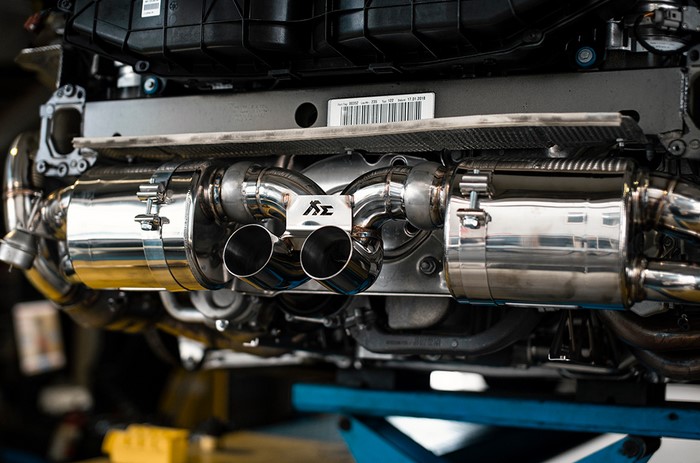
- Exhaust System: A free-flowing exhaust system ensures that spent gases exit the engine more efficiently, helping maintain power under boost.
- Cooling System: A more robust cooling system will help prevent engine overheating under the increased stress of a supercharged engine.
2.5. Regular Maintenance and Monitoring
Once you’ve tuned your supercharger and engine, regular maintenance is essential to keep everything running smoothly. This includes checking air filters, spark plugs, and oil regularly, as well as monitoring engine temperatures, boost levels, and AFR through performance gauges or a tuning app. Keeping a close eye on these metrics ensures that your supercharger system is running efficiently, preventing any potential issues before they become costly problems.
3. Conclusion: The Importance of Professional Tuning
Supercharger tuning is both an art and a science. While it’s possible to make some adjustments yourself, it’s highly recommended to seek professional assistance when tuning your supercharger for maximum power and efficiency. Expert tuners can provide the necessary tools, experience, and knowledge to safely extract the most performance from your engine while maintaining its longevity.
Remember, supercharger tuning tips are essential for anyone looking to enhance their vehicle’s performance. With the right approach, you can significantly increase your engine’s horsepower while ensuring optimal efficiency and reliability. Whether you are a weekend enthusiast or a track-focused driver, proper tuning will allow you to enjoy the best of both worlds—maximum power and long-term performance.