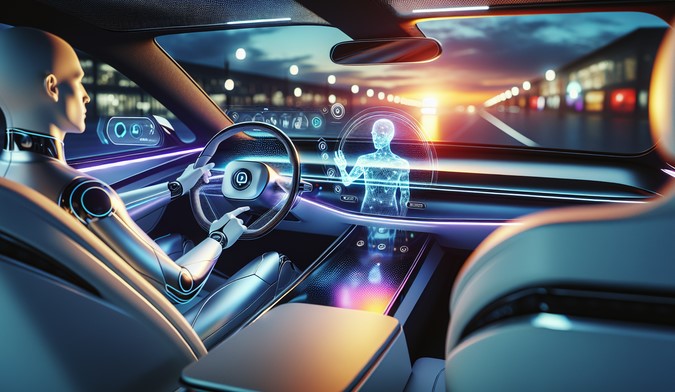
Introduction to AI in Modern Vehicles
The automotive industry is experiencing a technological revolution, and one of the most significant advancements is the emergence of AI-powered car assistants. These intelligent systems integrate artificial intelligence, machine learning, and advanced sensor technology to enhance driving safety, convenience, and efficiency. From providing real-time navigation to monitoring driver behavior, AI-powered assistants are transforming the way people interact with vehicles, creating a more connected and intuitive driving experience.
Unlike traditional infotainment systems, AI-powered car assistants do not simply follow pre-programmed commands. Instead, they learn from driver behavior, adapt to personal preferences, and even anticipate needs before they arise. For instance, these systems can suggest optimized routes based on traffic patterns, remind drivers of maintenance requirements, and provide real-time hazard warnings. This level of intelligence reduces stress on drivers, increases safety on the roads, and introduces a new era of personalized automotive technology.
As more manufacturers integrate AI into vehicles, the role of AI-powered assistants extends beyond simple convenience. These systems are now capable of contributing to semi-autonomous driving, voice-activated controls, and enhanced energy management for electric vehicles. For drivers and fleet managers alike, understanding the capabilities and potential of AI assistants is essential for evaluating the future of smart driving technology.
Key Features of AI-Powered Car Assistants
AI-powered car assistants combine multiple technologies to create a seamless and intelligent driving experience. These systems leverage sensors, cameras, connectivity, and data analytics to provide actionable insights and support the driver in real time.
Intelligent Navigation and Traffic Management
One of the primary applications of AI assistants is navigation. Unlike traditional GPS systems that only provide static directions, AI-powered navigation systems analyze real-time traffic data, weather conditions, and historical traffic patterns to suggest the most efficient routes. Some systems even predict traffic congestion based on recurring patterns and offer alternative paths before delays occur.
Furthermore, AI assistants can adapt to driver habits. For example, if a driver regularly stops for coffee during morning commutes, the system may suggest convenient locations along the route. This predictive ability reduces travel time, improves fuel efficiency, and minimizes driver frustration.
Advanced Driver Monitoring
Safety is a key focus of AI-powered car assistants. Using advanced sensors and cameras, these systems monitor driver attention, alertness, and behavior. Features like lane departure warnings, collision alerts, and adaptive cruise control integrate AI algorithms to identify potential risks and respond quickly.
In addition, AI systems can detect signs of driver fatigue or distraction, issuing reminders or adjusting vehicle settings to maintain safety. For example, if the system detects that the driver’s eyes are not focused on the road for extended periods, it may trigger an alert or recommend taking a break.
Voice-Activated Controls and Personalization
Modern AI-powered car assistants also provide voice-controlled interaction, allowing drivers to operate vehicle functions without taking their hands off the wheel. This includes controlling navigation, making phone calls, adjusting climate settings, or selecting entertainment options.
These systems learn driver preferences over time, customizing suggestions for routes, music, and even preferred vehicle settings such as seat position and mirror adjustments. Personalization not only improves the driving experience but also encourages safer behavior by reducing the need for manual adjustments while driving.
Benefits of AI-Powered Car Assistants
The integration of AI assistants into vehicles provides multiple benefits for drivers, passengers, and fleet operators.
1. Enhanced Safety: By monitoring the environment and driver behavior in real time, AI systems reduce the risk of accidents and provide early warnings of potential hazards.
2. Improved Efficiency: AI navigation and predictive traffic management help drivers avoid congestion, save fuel, and reduce travel time. For electric vehicles, AI can also optimize battery usage and recommend charging points along the route.
3. Convenience and Comfort: Voice-activated commands, adaptive climate control, and personalized vehicle settings simplify daily driving tasks and create a more enjoyable experience for occupants.
4. Reduced Stress: Real-time monitoring and predictive insights help drivers make informed decisions without constant manual input, minimizing mental load during long trips or congested commutes.
5. Support for Semi-Autonomous Driving: AI-powered assistants form the foundation for self-driving technology by integrating sensors, machine learning, and predictive analytics. As vehicles become more autonomous, AI systems will play a crucial role in managing complex driving scenarios.
Considerations for Adoption
While AI-powered car assistants offer significant advantages, there are considerations for consumers and businesses adopting this technology. Data privacy is a key concern, as these systems collect and process large amounts of personal and driving behavior data. Ensuring secure and transparent data management is essential for maintaining user trust.
Additionally, the reliability of AI systems is critical. Manufacturers must ensure that AI assistants function accurately under various driving conditions and are able to respond appropriately to unexpected events. Regular updates and maintenance of AI software are necessary to sustain optimal performance.
Cost is another factor. While AI-powered assistants are becoming more common, advanced systems with predictive features and semi-autonomous capabilities may come with higher vehicle prices. Buyers should assess the value of these features relative to their driving needs and lifestyle.
AI-powered car assistants represent a transformative step in the evolution of smart driving. By combining real-time navigation, driver monitoring, personalized features, and predictive analytics, these systems enhance safety, efficiency, and convenience for modern drivers. As technology advances, AI assistants will continue to play a critical role in semi-autonomous and fully autonomous vehicles, shaping the future of transportation. For drivers seeking enhanced control, safety, and personalization on the road, investing in vehicles with AI-powered car assistants is increasingly becoming not just an option, but a strategic advantage for modern driving.