Best Head-Up Displays: Cutting-Edge Tech for Safer Driving

Source:https://www.fic.com.tw

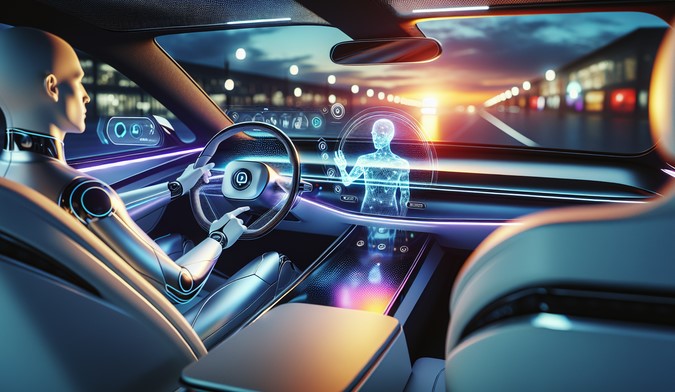
In the fast-evolving world of automotive technology, best head-up displays (HUDs) have emerged as one of the most significant innovations for enhancing driver safety and convenience. HUDs are designed to project key driving information directly onto the windshield, allowing drivers to access vital data—such as speed, navigation, and alerts—without taking their eyes off the road. With distractions being one of the leading causes of accidents, these displays help maintain focus while providing critical information at a glance. This article explores the best head-up displays available today, how they work, and why they are essential for the modern driver.

1. What is a Head-Up Display and How Does It Improve Safety?

A head-up display (HUD) is a transparent screen that projects essential driving data onto the windshield or a separate transparent panel, allowing the driver to keep their eyes focused on the road. Initially popularized by military aircraft, this technology has since been adapted for use in civilian vehicles to provide real-time data in a non-intrusive way.

Key Features of Head-Up Displays

1. Navigation and Directions:
One of the standout features of modern HUDs is their ability to display real-time navigation instructions directly on the windshield. Rather than looking down at a GPS device or a smartphone, drivers can follow turn-by-turn directions without shifting their focus away from the road. This reduces the need for multitasking and enhances situational awareness.

2. Speed and Alerts:
HUDs also display crucial information such as the current speed, speed limits, fuel efficiency, and safety warnings like lane departure alerts or collision warnings. By having these details in direct view, drivers are less likely to be distracted by physical dashboards or screens, which could lead to accidents.

3. Enhanced Visibility:
Some advanced HUDs even incorporate features like augmented reality, where virtual information appears integrated with the real-world view. This feature is especially useful for navigating unfamiliar areas, as it can highlight important landmarks, intersections, or upcoming road changes directly on the screen.

How HUDs Improve Driver Focus and Safety

HUDs are crucial for improving driver safety by reducing cognitive load. Instead of switching between the road, dashboard, and navigation system, drivers can view all essential information in their line of sight. This technology promotes safer driving by minimizing distractions and allowing drivers to maintain full attention on the road. Furthermore, HUDs can be customized to show only the most relevant data for each driver, reducing clutter and ensuring that only necessary information is visible.

2. Top Head-Up Displays for 2025

As we look ahead to 2025, the best head-up displays offer even more advanced features, with many models offering high-definition displays, smartphone connectivity, and integration with advanced driver-assistance systems (ADAS). Here are some of the top models available:

1. Garmin HUD+

Garmin has long been a trusted name in navigation, and its Garmin HUD+ head-up display continues to be one of the best on the market. It projects navigation directions, speed limits, and other critical information directly onto the windshield, providing a seamless driving experience.

Key Features:

  • Large, high-resolution display with anti-glare technology
  • Simple installation with suction mount
  • Connects to smartphones via Bluetooth for real-time navigation updates
  • Customizable display options to show relevant data
  • Compatible with both Android and iOS devices

The Garmin HUD+ is ideal for those who want a reliable and easy-to-use system that integrates with their smartphone’s navigation app, ensuring timely and accurate directions.

2. Hudway Cast

The Hudway Cast is a popular choice among drivers seeking an affordable and efficient head-up display. Unlike many other HUDs that require a specific car model or installation, the Hudway Cast works with most vehicles and projects a range of information onto a small transparent display.

Key Features:

  • Compatible with both Android and iOS devices
  • Displays real-time navigation, speed, and safety alerts
  • Adjustable brightness for day and night use
  • Supports both smartphone mirroring and Bluetooth connectivity
  • Compact and easy to install

The Hudway Cast is perfect for drivers who are looking for a budget-friendly option that still provides excellent functionality. Its simple design and easy installation make it a great choice for those new to HUD technology.

3. Waylens Horizon

The Waylens Horizon is an advanced head-up display designed for performance enthusiasts. This system not only projects basic navigation and speed data but also integrates with your car’s onboard diagnostics (OBD) to provide deeper insights into the vehicle’s performance, such as acceleration, G-forces, and engine health.

Key Features:

  • High-definition display with augmented reality features
  • Integration with OBD-II to display vehicle data (e.g., engine temperature, RPM, and fuel efficiency)
  • Real-time tracking of driving performance and statistics
  • Smartphone integration for data logging and analysis
  • Automatic brightness adjustment for optimal visibility in all lighting conditions

For drivers interested in performance tracking or those with a passion for car data, the Waylens Horizon offers a more personalized HUD experience, making it one of the best head-up displays for enthusiasts.

4. Navdy

Navdy is one of the most well-rounded HUD systems, providing not only navigation and driving stats but also full integration with your smartphone. Navdy’s standout feature is its gesture controls, allowing drivers to interact with the system without touching any buttons, making it an incredibly hands-free solution.

Key Features:

  • Gesture-based controls for navigation, calls, and media
  • 5.1-inch high-definition display with customizable interface
  • Full integration with both Android and iOS apps
  • Projects directions, speed, and safety alerts onto the windshield
  • Bluetooth connectivity for hands-free calling and music control

Navdy’s intuitive interface and gesture controls make it a standout in terms of usability, and its compatibility with multiple apps provides a truly connected driving experience.

5. Pioneer AVIC-W8500NEX

For those looking for a more integrated solution, the Pioneer AVIC-W8500NEX offers an all-in-one dashboard system that incorporates a high-quality HUD with the added benefits of navigation, multimedia, and voice control. This system is ideal for those who want both a premium infotainment setup and the convenience of a head-up display.

Key Features:

  • 7-inch high-definition touchscreen display
  • Integrated navigation with real-time updates
  • Voice command functionality for hands-free operation
  • Customizable HUD display for speed, navigation, and alerts
  • Smartphone connectivity via Apple CarPlay and Android Auto

The Pioneer AVIC-W8500NEX is perfect for drivers who want a full infotainment suite with the added benefits of a high-quality HUD system. Its comprehensive functionality and ease of use make it a great all-in-one solution.

3. Choosing the Right Head-Up Display for Your Needs

While there are numerous best head-up displays on the market, selecting the right one depends on several factors. Here are some considerations to help you choose the ideal HUD for your driving needs:

1. Compatibility with Your Vehicle

Not all HUDs are compatible with every vehicle, so it’s important to check the installation requirements before purchasing. Some systems require professional installation, while others are simple plug-and-play solutions that mount on the dashboard or windshield. Be sure to choose a system that fits your car and your comfort level with installation.

2. Features and Functionality

Consider the features you need most. Do you simply want navigation and speed data, or are you interested in performance metrics and real-time diagnostics? If you’re an enthusiast or need more detailed information, an advanced system like the Waylens Horizon may be worth considering. For those seeking simplicity, a basic system like the Hudway Cast might be sufficient.

3. Integration with Smartphones

If you frequently use your smartphone for navigation or other apps, it’s essential to select a HUD that integrates well with your device. Look for options that support both Android and iOS devices, allowing seamless syncing with your favorite apps and providing more control over your in-car experience.

4. Display Quality

The quality of the HUD display is another critical consideration. Look for high-resolution screens with anti-glare technology that provide clear visibility in both day and night conditions. The best HUDs automatically adjust their brightness based on ambient light to ensure optimal clarity.

As automotive technology continues to advance, the best head-up displays offer drivers a safer, more connected way to interact with their vehicles. By reducing distractions and providing key driving information directly in the line of sight, HUDs make driving safer and more enjoyable. Whether you’re looking for basic navigation or advanced vehicle diagnostics, there’s a head-up display to suit every need. From systems like Garmin HUD+ and Navdy to the performance-oriented Waylens Horizon, these devices provide valuable insights that help keep drivers focused on the road. Investing in a high-quality HUD is not just a matter of convenience; it’s a smart way to improve road safety and enhance your driving experience in 2025.

Luxury Car Rental Options: Drive High-End Vehicles in Style

Source:https://smart.dhgate.com

For those seeking an exceptional driving experience without the commitment of purchasing a high-end vehicle, luxury car rental options offer the perfect solution. Whether you’re attending a special event, planning a lavish vacation, or simply want to experience the thrill of driving a premium vehicle, luxury car rentals allow you to indulge in the world of exotic cars, sports cars, and high-end sedans. In 2025, the availability of luxury car rentals has expanded significantly, offering more choices, flexibility, and convenience for those looking to drive in style. This article explores the best luxury car rental options available today, highlighting the models you can drive, the advantages of renting, and the factors to consider when choosing the right rental for your needs.

1. Why Choose Luxury Car Rentals?

Luxury car rental options are an appealing choice for a wide range of reasons. Whether you’re looking to experience a premium vehicle for the first time or you simply want to make an impression, renting a high-end car comes with several advantages.

Experience the Best in Automotive Engineering

One of the main reasons people opt for luxury car rentals is the opportunity to drive some of the most technologically advanced and beautifully engineered cars on the market. Luxury cars are not just about aesthetics—they feature cutting-edge technology, powerful performance engines, and a smooth, comfortable ride. Renting a high-end vehicle allows you to experience these exceptional features without the financial commitment of purchasing one.

Perfect for Special Occasions

Whether it’s a wedding, business event, or a birthday celebration, renting a luxury car can help elevate the experience. Arriving in an iconic vehicle like a Lamborghini, Ferrari, or Rolls-Royce adds an extra touch of sophistication and prestige to any occasion. Luxury car rentals give you the ability to make a statement and create unforgettable memories.

Test-Drive Before You Buy

Renting a luxury car also offers a unique opportunity to test-drive a model before making a significant investment. Many individuals consider renting a high-end car as a way to gauge how well they like a specific make or model. It’s a chance to experience the car’s performance, handling, and comfort before making the decision to purchase it.

No Long-Term Commitment

For those who aren’t ready to commit to owning a luxury car, renting provides the flexibility to enjoy the experience without the ongoing responsibilities of maintenance, insurance, and depreciation. If you’re only interested in driving a luxury car for a short period, renting makes more sense than purchasing, especially if you’re looking for a one-off experience.

2. Top Luxury Car Rental Options for 2025

The luxury car rental market has evolved significantly, with more choices now available to those who wish to drive in style. Here are some of the top luxury car rental options you can consider in 2025.

1. Ferrari 488 GTB

Ferrari has long been a symbol of power, luxury, and performance. The Ferrari 488 GTB is one of the most sought-after sports cars in the world. Featuring a 3.9-liter V8 engine that produces 660 horsepower, this Italian masterpiece offers exhilarating speed and precision handling. Renting a Ferrari 488 GTB gives you access to world-class engineering and an unmatched driving experience.

Key Features:

  • 0 to 60 mph in 3.0 seconds
  • 660 horsepower V8 engine
  • Advanced aerodynamics and handling
  • Stunning Italian craftsmanship and design

This Ferrari model is perfect for drivers who want to experience true sports car performance and an unforgettable ride.

2. Rolls-Royce Ghost

For those seeking ultimate luxury and comfort, the Rolls-Royce Ghost is the epitome of elegance and sophistication. With its handcrafted interior, whisper-quiet cabin, and 563-horsepower V12 engine, the Ghost offers an unparalleled level of luxury. Renting a Rolls-Royce is an ideal option for special events, road trips, or simply enjoying the finest automobile experience.

Key Features:

  • 563-horsepower twin-turbo V12 engine
  • Handcrafted interior with leather and wood accents
  • Advanced comfort and soundproofing technologies
  • Luxury amenities such as massaging seats, mood lighting, and more

The Rolls-Royce Ghost offers a smooth, refined ride that is perfect for those who want to feel like royalty while traveling.

3. Lamborghini Huracán EVO

The Lamborghini Huracán EVO is a true embodiment of high-performance sports cars. Known for its bold styling and ferocious power, this supercar is designed for those who want to experience speed, agility, and precision. With a 5.2-liter V10 engine producing 631 horsepower, the Huracán EVO accelerates from 0 to 60 mph in just 2.5 seconds, offering a thrilling ride for any enthusiast.

Key Features:

  • 631 horsepower V10 engine
  • 0 to 60 mph in 2.5 seconds
  • Advanced all-wheel-drive system
  • Stunning design with aerodynamics tailored for performance

The Lamborghini Huracán EVO is a dream car for many, and renting one provides a rare opportunity to experience one of the fastest and most exclusive vehicles on the road.

4. Porsche 911 Turbo S

The Porsche 911 Turbo S has long been a favorite among driving enthusiasts, known for its combination of performance, handling, and everyday usability. With a 3.8-liter twin-turbo flat-six engine producing 640 horsepower, this sports car can reach 60 mph in just 2.7 seconds. It’s a perfect blend of high-performance driving and luxury, making it one of the top luxury car rental options for 2025.

Key Features:

  • 640 horsepower twin-turbo engine
  • 0 to 60 mph in 2.7 seconds
  • Iconic Porsche handling and engineering
  • Luxurious and high-tech interior

The Porsche 911 Turbo S offers exceptional value for those who want a car that excels both on the track and on the road.

5. Tesla Model S Plaid

For those seeking cutting-edge technology and impressive performance, the Tesla Model S Plaid is one of the best electric luxury cars available today. With over 1,000 horsepower, the Model S Plaid can accelerate from 0 to 60 mph in less than 2 seconds, making it one of the fastest production cars in the world. The interior features minimalistic luxury with a large touchscreen interface and advanced autonomous driving capabilities.

Key Features:

  • Over 1,000 horsepower
  • 0 to 60 mph in under 2 seconds
  • Autopilot and Full Self-Driving capabilities
  • High-tech minimalist interior with a large touchscreen display

The Tesla Model S Plaid represents the future of luxury cars, combining sustainable electric power with cutting-edge technology and blistering performance.

3. Factors to Consider When Choosing a Luxury Car Rental

When choosing a luxury car rental, there are several factors to consider to ensure that you select the right vehicle for your needs. Here are some key points to keep in mind:

1. Purpose of the Rental

Are you renting a luxury car for a special occasion, a road trip, or to test drive a potential purchase? The purpose of the rental will dictate the type of car you should choose. For weddings or business events, you might prefer a sophisticated sedan like a Rolls-Royce, while a sports car like a Ferrari or Lamborghini would be better suited for thrill-seeking drivers.

2. Rental Duration and Costs

Luxury car rentals typically have higher daily rates than standard vehicles, so it’s important to consider the duration of your rental and your budget. Some rental agencies may offer discounts for extended rentals, so if you’re planning a long-term trip, it may be worth inquiring about package deals.

3. Insurance and Coverage

Ensure that you have proper insurance coverage when renting a luxury vehicle. Many luxury car rental services offer insurance options, but it’s important to understand the terms and make sure you’re fully covered in case of an accident or damage.

4. Delivery and Pickup Options

Many luxury car rental services offer delivery and pickup options for added convenience. If you’re arriving at an airport or hotel, you can arrange for your rental car to be delivered directly to you, saving you time and effort.

For those who want to experience the thrill of driving high-end, performance-oriented, or ultra-luxurious vehicles, luxury car rental options in 2025 offer an array of vehicles that cater to various tastes and preferences. From the high-speed Ferrari 488 GTB to the opulent Rolls-Royce Ghost, renting a luxury car provides the opportunity to experience world-class engineering and design without the long-term commitment of ownership. By considering factors like rental duration, insurance, and the specific purpose of the rental, you can choose the perfect vehicle to meet your needs. Whether you’re seeking elegance, performance, or cutting-edge technology, luxury car rentals offer the ultimate way to drive in style.

Replace Windshield Wipers: A Simple Guide for Clear Vision

Source:https://img.baba-blog.com

Maintaining clear visibility while driving is essential for safety, and knowing when and how to replace windshield wipers is a critical part of vehicle maintenance. Worn or damaged wipers can significantly reduce visibility during rain, snow, or fog, increasing the risk of accidents. Despite their importance, many drivers overlook their wipers until performance issues arise. This guide provides a comprehensive overview of why wipers fail, how to identify when it’s time to replace them, and step-by-step instructions for ensuring a streak-free windshield. By understanding proper maintenance and replacement techniques, drivers can enhance both safety and driving comfort.

Understanding Windshield Wipers and Their Function

Windshield wipers play a fundamental role in safe driving by clearing rain, snow, and debris from the windshield. The wiper system consists of a combination of components that work together to maintain clear vision:

  • Wiper Blades: Made of rubber or silicone, blades make direct contact with the glass to remove moisture and debris
  • Wiper Arms: Metal or composite arms hold the blades and move them across the windshield using a motor-driven mechanism
  • Wiper Motor and Linkage: This mechanism provides the power and motion necessary to move the wiper blades at adjustable speeds

Over time, wiper blades degrade due to exposure to sunlight, extreme temperatures, and dirt. Rubber can crack or harden, while silicone may wear unevenly, leading to streaking or incomplete wiping. Understanding these components helps drivers diagnose issues and determine when it is time to replace the blades.

Signs That You Need to Replace Windshield Wipers

Recognizing the signs of worn wipers is essential to maintain optimal visibility. Common indicators include:

  • Streaking or Smearing: When blades leave streaks or fail to clear water completely, it signals worn rubber
  • Chattering or Skipping: Blades that chatter or skip across the glass indicate improper contact or hardened material
  • Squeaking Noise: Continuous squeaks during operation may be due to hardened rubber or debris caught in the blade
  • Visible Damage: Cracks, tears, or missing sections of rubber are clear signs that replacement is necessary

Regular inspection of wiper blades—ideally every six months—ensures they remain effective, particularly before the rainy or winter seasons when visibility is most critical.

How to Replace Windshield Wipers

Replacing windshield wipers is a straightforward process that requires minimal tools and can be completed in a few minutes. Follow these steps for a safe and effective replacement:

1. Identify the Correct Wiper Size

Check the vehicle’s owner manual or measure existing blades to determine the correct size. Many vehicles use different sizes for the driver and passenger sides, so accurate measurements are essential.

2. Remove the Old Wipers

Lift the wiper arm away from the windshield until it locks in a raised position. Locate the release mechanism, usually a small tab or button where the blade connects to the arm. Press the tab and slide the blade off the arm carefully to avoid scratching the windshield.

3. Install the New Blades

Align the new blade’s connector with the wiper arm and slide it into place until it clicks securely. Lower the arm gently back onto the windshield to prevent bending or damaging the arm.

4. Test the New Wipers

Turn on the wipers and apply washer fluid to the windshield. Ensure smooth, streak-free operation. If the blades skip or chatter, double-check that they are installed correctly and that the windshield is clean.

5. Maintenance Tips

To prolong the life of new wiper blades:

  • Clean the blades and windshield regularly to remove dirt and debris
  • Avoid using wipers on a dry windshield, as this accelerates wear
  • Protect blades from prolonged sun exposure when possible, or use a wiper cover

Following these tips ensures optimal performance and extends the lifespan of replacement blades, reducing the frequency of future replacements.

Maintaining clear vision is a key safety measure, and knowing when to replace windshield wipers is an essential part of vehicle upkeep. Regular inspection, proper installation, and routine maintenance can prevent streaking, skipping, and visibility issues in adverse weather. By taking a proactive approach to wiper care, drivers enhance both safety and comfort on the road. Investing a few minutes in wiper replacement and upkeep can make a significant difference in driving confidence and overall road safety.

How to Start a Career in Motorsports: Pathways to Becoming a Pro Racer

Source:https://cdn.shopify.com

For many car enthusiasts, the dream of taking to the track as a professional driver is exhilarating. Knowing how to start a career in motorsports is the first crucial step toward turning that passion into a profession. A career in racing requires dedication, skill development, and a deep understanding of the industry. While the path can be challenging, aspiring drivers who strategically approach training, networking, and sponsorship opportunities can find success in the highly competitive world of motorsports. This article explores the essential steps, training opportunities, and career pathways that help individuals break into professional racing.

Understanding the Motorsport Landscape

Before committing to a racing career, it is important to understand the structure of the motorsport industry. Motorsports encompasses a variety of disciplines, including formula racing, touring cars, endurance racing, rallying, and off-road competitions. Each category has unique requirements in terms of skill, equipment, and licensing.

A few key aspects of motorsports to consider:

  • Levels of Competition: Most drivers start in grassroots racing or amateur leagues before moving up to professional series. Understanding the hierarchy of competitions can help plan a realistic career trajectory.
  • Licensing and Certification: Professional racing requires specialized licenses issued by motorsport governing bodies, such as the FIA (Fédération Internationale de l’Automobile) or national associations. These licenses often require passing tests and demonstrating competency in lower-tier competitions.
  • Sponsorship and Funding: Motorsports is an expensive field. Securing sponsorships or financial backing is often critical to advancing from amateur to professional levels.

Understanding the industry landscape allows aspiring drivers to focus on the right training programs, competitions, and networking opportunities to accelerate their careers.

Training and Skill Development

1. Start Young and Gain Experience

While it is possible to start later in life, many successful professional drivers begin their racing journey in karting or other youth motorsport programs. Karting teaches essential skills such as vehicle control, racing strategy, and track awareness. Local and national karting competitions also provide exposure to scouts and professional teams.

2. Attend Racing Schools and Driver Development Programs

Formal racing education is a valuable tool for skill development. Reputable driving schools offer structured programs covering technical driving skills, racecraft, and vehicle dynamics. Many schools provide access to professional-grade vehicles, telemetry systems, and experienced instructors. Examples of top-tier programs include:

  • Skip Barber Racing School
  • Bondurant High-Performance Driving School
  • BMW Performance Driving School

Driver development programs often extend beyond technical training, including mentorship, media training, and physical conditioning. A well-rounded program can prepare aspiring racers for the multifaceted demands of professional motorsports.

3. Physical and Mental Preparation

Success in motorsports is not just about driving talent; it requires peak physical and mental performance. Professional drivers maintain rigorous fitness routines, focusing on cardiovascular endurance, neck and core strength, and reaction speed. Mental training, including focus exercises, visualization techniques, and stress management, enhances decision-making under high-pressure racing conditions.

4. Gain Real-World Racing Experience

Participation in amateur races, club competitions, and track days helps develop practical experience. Drivers learn racecraft, overtaking strategies, and vehicle handling in real-world conditions. Networking within these events can also connect aspiring racers to mentors, sponsors, and team opportunities.

Career Pathways and Opportunities

Breaking into professional motorsports requires persistence and strategic career planning. There are several pathways that aspiring drivers can explore:

  • Formula Racing Ladder: This pathway begins with karting, progresses to Formula 4, Formula 3, and eventually Formula 2, before reaching Formula 1. Each step involves mastering increasingly complex vehicles and higher levels of competition.
  • Touring and GT Cars: Drivers interested in endurance racing, GT championships, or touring car series can focus on gaining experience in production-based cars and participating in regional championships.
  • Rally and Off-Road Racing: Rally drivers often start in local rally competitions before advancing to national and international events. Technical driving skills and vehicle adaptability are crucial in this field.
  • Motorsport Support Roles: For those looking to diversify within the industry, roles such as test drivers, simulator drivers, or engineering consultants provide alternative career paths while maintaining close involvement with racing teams.

Networking is also essential in motorsports. Building relationships with team managers, sponsors, and fellow drivers can open doors to testing opportunities, sponsorship deals, and team placements. Attending industry events, workshops, and racing expos can facilitate these connections.

Pursuing a career in racing demands passion, dedication, and a strategic approach to skill development and industry networking. Understanding how to start a career in motorsports involves gaining early experience, enrolling in professional driving programs, maintaining physical and mental fitness, and navigating the competitive pathways of professional racing. By committing to continuous learning and actively engaging with the motorsport community, aspiring drivers can transform their passion for speed into a rewarding professional career. Success in this field is not instantaneous, but with persistence and preparation, the dream of becoming a professional racer can become a reality.

Must-Have Car Emergency Kits: Essential Gear for Roadside Safety

Source:https://s3.amazonaws.com

When it comes to driving, preparation can mean the difference between a minor inconvenience and a serious emergency. Every vehicle owner should prioritize safety by carrying must-have car emergency kits, equipped to handle unexpected situations on the road. From flat tires to medical emergencies, a well-stocked kit ensures that drivers are ready to respond quickly and efficiently. This article explores the essential items every car emergency kit should include, tips for maintaining your kit, and additional tools that can enhance roadside safety for drivers of all experience levels.

Why Every Vehicle Needs an Emergency Kit

Unexpected events can occur at any time, whether it’s a sudden breakdown, severe weather, or an accident. Having a comprehensive emergency kit not only provides peace of mind but can also save lives. Modern vehicles often come with some basic emergency tools, but these are typically insufficient for serious situations.

A robust kit should address several critical areas:

  • Safety: Items that protect you and your passengers from harm.
  • Communication: Tools to contact help or signal for assistance.
  • Survival: Supplies that ensure comfort and sustenance if stranded.
  • Vehicle Recovery: Tools to handle minor repairs or get back on the road.

By combining these elements, drivers can be prepared for a wide range of scenarios, from minor inconveniences to life-threatening situations.

Essential Components of a Car Emergency Kit

1. Safety Gear

Safety should always come first when assembling a car emergency kit. Key items include:

  • First Aid Kit: A comprehensive kit should include bandages, antiseptic wipes, gauze, adhesive tape, scissors, and over-the-counter pain relievers. For extended travel, consider adding burn cream and a CPR face shield.
  • Reflective Triangle and Flares: These items increase visibility if your car breaks down on the roadside, helping prevent accidents.
  • Flashlight with Extra Batteries: Adequate lighting is essential for night-time emergencies or when inspecting your vehicle in low-light conditions.
  • High-Visibility Vest: Wearing a reflective vest increases your visibility to passing drivers, particularly on highways.

2. Vehicle Recovery Tools

Being prepared for minor mechanical issues can prevent a small problem from becoming a major setback. Essential tools include:

  • Jumper Cables or Portable Jump Starter: Dead batteries are one of the most common causes of roadside emergencies. Having the means to restart your vehicle is critical.
  • Tire Repair Kit or Spare Tire: Flat tires are a frequent occurrence. A compact repair kit or a properly inflated spare ensures you can continue your journey safely.
  • Basic Tool Kit: Screwdrivers, pliers, and adjustable wrenches allow you to address minor mechanical issues.
  • Tow Strap or Rope: In situations where your vehicle needs to be moved or towed, a strong tow strap can be invaluable.

3. Communication and Navigation Aids

Maintaining contact and knowing your location are essential during roadside emergencies. Recommended items include:

  • Charged Mobile Phone and Car Charger: Ensures you can call for help or use GPS navigation.
  • Emergency Contact Numbers: Keep a written list of roadside assistance services, family contacts, and local authorities.
  • Portable Power Bank: Provides additional charging options if your vehicle battery dies.
  • Paper Maps: In areas with poor cell reception, maps are a reliable backup.

4. Survival Essentials

Depending on your travel environment, having supplies for sustenance and comfort is crucial:

  • Bottled Water and Non-Perishable Snacks: Staying hydrated and maintaining energy can be critical, especially during long waits for help.
  • Blanket or Thermal Emergency Blanket: Keeps passengers warm in cold weather or during night-time emergencies.
  • Rain Poncho or Extra Clothing: Protects against exposure to harsh weather conditions.
  • Multipurpose Utility Knife: Useful for cutting seatbelts, opening packages, or performing other emergency tasks.

Tips for Maintaining Your Car Emergency Kit

A well-stocked kit is only useful if it is maintained properly. Here are some tips to ensure your kit remains effective:

  • Regularly Check Expiry Dates: Items like first-aid supplies, batteries, and water bottles have expiration dates. Replace them as needed.
  • Customize Based on Your Vehicle and Travel Plans: Larger vehicles might allow for more extensive kits, while city drivers may prioritize compact, portable solutions.
  • Educate Yourself: Knowing how to use each item in your kit is as important as having it. Practice changing a tire, jump-starting a car, and using first-aid supplies.
  • Keep It Accessible: Store your emergency kit in a location that is easy to reach, such as the trunk or under a seat. Avoid packing it so tightly that you cannot access it in a hurry.

Additional optional items, such as a portable air compressor, fire extinguisher, or roadside signaling devices, can further enhance preparedness, particularly for long-distance travel or remote areas.

Being prepared for unexpected situations is a fundamental part of responsible vehicle ownership. Must-have car emergency kits provide drivers with the essential tools to handle roadside issues safely, from flat tires and dead batteries to medical emergencies and extreme weather conditions. A well-organized kit not only protects you and your passengers but also ensures peace of mind, knowing that you are ready for whatever the road may present. By investing in a comprehensive emergency kit and maintaining it properly, every driver can significantly increase their safety and confidence while traveling.