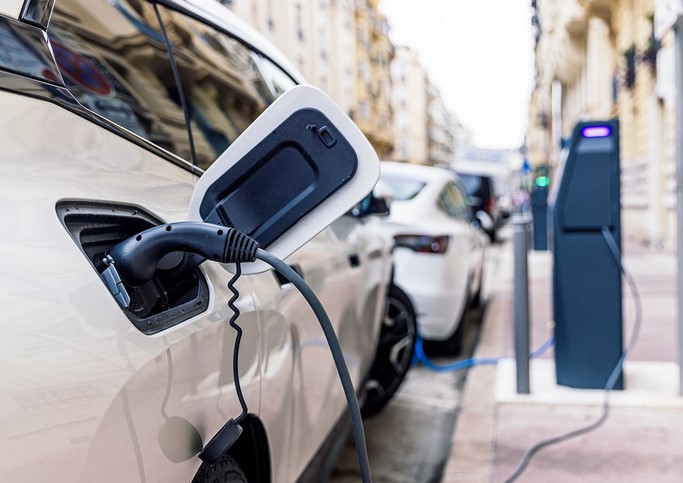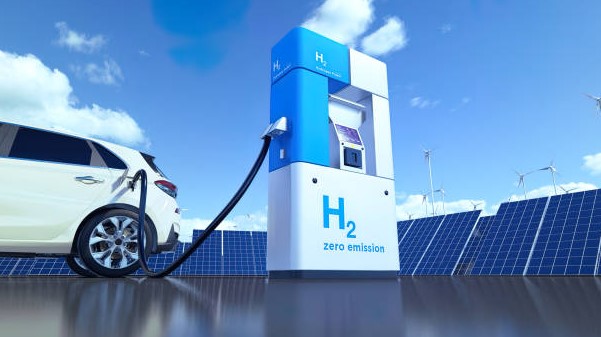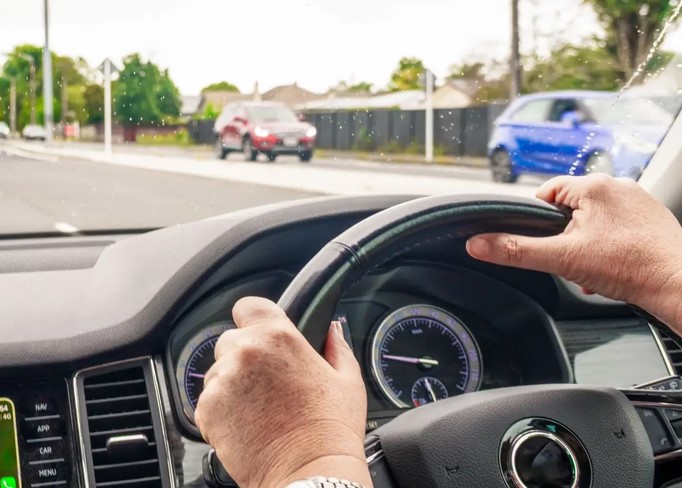
You pull up to the gas station, insert your card, and watch the pump counter climb higher and higher. If that sinking feeling in your stomach sounds familiar, you aren’t alone. Most drivers assume the only way to cut fuel costs is to trade in their vehicle for a hybrid or EV—but that is a total myth.
Over my ten-plus years testing performance cars, diagnosing fleet management setups, and coaching drivers, I have seen simple behind-the-wheel adjustments boost fuel economy by 15% to 30% overnight. That is effectively giving yourself a massive discount every single time you fill up!
If you want to squeeze every last mile out of every gallon, adopting the best fuel-saving driving habits is the single fastest and cheapest way to do it. Let’s break down the mechanics of efficient driving and map out actionable habits you can start using today.
1. Master Smooth Acceleration and Gentle Braking
The accelerator pedal isn’t an on-off light switch; think of it as a delicate volume slider. Rapid “jackrabbit” starts from a stoplight flush raw fuel directly into your engine’s combustion chambers, wasting energy in a burst of unnecessary heat and drag.
                          FUEL EFFICIENCY ACCELERATION SCALE
┌───────────────────────────┬───────────────────────────┬───────────────────────────┐
│     Aggressive Launch     │    Standard Commute       │  Fuel-Saving Technique    │
│  0-20 mph in 2 seconds    │   0-20 mph in 3.5 sec     │   0-20 mph in 5 seconds   │
│  (High Fuel Spikes)       │  (Moderate Consumption)   │  (Maximum Efficiency)     │
└───────────────────────────┴───────────────────────────┴───────────────────────────┘
The “Cup of Coffee” Analogy
To internalize gentle acceleration, imagine you have an open cup of hot coffee sitting on your dashboard. Your goal is to accelerate from 0 to 20 mph over roughly 5 seconds without spilling a single drop.
By easing onto the throttle, you allow your automatic transmission to shift into higher, more efficient gears earlier, keeping your engine RPMs low.
-
Anticipate Traffic Signals: When you spot a red light ahead, lift off the gas pedal early and coast. Keeping the car rolling uses significantly less energy to speed back up than starting from a dead stop.
-
Avoid Hard Stops: Slamming on the brakes converts the kinetic energy your engine just built into useless brake dust and friction heat.
2. Maintain a Steady Pace and Use Momentum
Your engine works hardest when it has to constantly change speed. In fact, tests show that letting your speed fluctuate up and down by just 5 mph on the highway can slash your fuel economy by up to 20%.
How to Drive Horizontally
-
Engage Cruise Control: On flat highway stretches, cruise control eliminates the micro-adjustments your foot naturally makes, maintaining a steady, efficient throttle input.
-
Read the Road Ahead: Don’t just watch the bumper immediately in front of you. Scan 10 to 15 seconds down the road to spot slowing traffic early.
-
Use Gravity on Hills: As you approach an incline, gain a bit of speed before the hill starts. As you climb, allow your speed to drop slightly rather than stomping the gas pedal to force a downshift.
Expert Insight: Modern Engine Control Units (ECUs) feature Deceleration Fuel Cut-Off (DFCO). When you coast in gear with your foot completely off the gas, the engine computer cuts off fuel injection entirely, letting the vehicle’s momentum spin the engine for zero fuel consumption.
3. Manage High-Speed Aerodynamic Drag
Speed kills gas mileage—plain and simple. Most consumer vehicles, from sedans to crossovers, hit their sweet spot for thermal and aerodynamic efficiency between 45 mph and 60 mph. Once you cross 60 mph, wind resistance (aerodynamic drag) scales exponentially, not linearly.
                           AERODYNAMIC DRAG AT HIGH SPEED
  Speed (MPH)               Relative Fuel Penalty
  ───────────               ─────────────────────
   55 mph                   [Baseline Optimal]
   65 mph                   [+8% Fuel Used]
   75 mph                   [+20% Fuel Used]
   80+ mph                  [+25% to 30% Fuel Used]
Cruising at 75 mph instead of 65 mph might save you five minutes on a long road trip, but it forces your engine to burn roughly 15% to 20% more fuel just to push through the air wall. Cruising right at the speed limit is one of the easiest best fuel-saving driving habits you can adopt.
4. Eliminate Unnecessary Engine Idling
There is an old myth lingering around garage shops that restarting an engine uses more gas than letting it idle. With modern fuel-injected engines, that is simply false.
Idling burns anywhere from 0.2 to 0.5 gallons of fuel per hour, yielding a clean 0.0 MPG.
-
The 10-Second Rule: If you are parked or waiting (at a drive-thru, train crossing, or picking someone up) for more than 10 seconds, shut the engine off.
-
Trust Auto Stop-Start: If your vehicle has an automatic Stop-Start system, keep it enabled. It is designed to protect your starter motor while saving up to 8% in heavy stop-and-go city traffic.
5. Dial in Tire Pressure and Unload Unnecessary Drag
Not all fuel efficiency happens with your feet—some of it starts before you even turn the key. Under-inflated tires create high rolling resistance, acting like sticky glue on the asphalt.
                     IMPACT OF TIRE PRESSURE ON FUEL ECONOMY
┌───────────────────────────┬───────────────────────────┬───────────────────────────┐
│     10 PSI Under-inflated │    Recommended PSI        │    100 lbs Extra Weight   │
│   ~2% MPG Loss            │   Optimal Efficiency      │   ~1% MPG Loss            │
└───────────────────────────┴───────────────────────────┴───────────────────────────┘
For every 1 PSI drop across all four tires, your gas mileage drops by roughly 0.2%. If your tires are 10 PSI low, you are wasting up to 2% of your fuel every single mile!
Additional Drag Reducers:
-
Ditch Extra Cargo: Every extra 100 pounds sitting in your trunk reduces gas mileage by roughly 1%. Clean out the golf clubs, tools, and heavy gear you don’t need daily.
-
Remove Empty Roof Racks: Roof boxes and empty bike racks create massive aerodynamic drag, reducing highway MPG by up to 10% to 20%.
MPG Savings Summary
| Driving Habit / Action | Estimated MPG Improvement | Primary Benefit |
| Smooth Acceleration & Coasting | 10% – 35% | Eliminates fuel spikes; uses momentum |
| Observing Speed Limits (55-65 mph) | 7% – 23% | Reduces exponential air drag |
| Minimizing Engine Idling | 5% – 12% | Eliminates 0 MPG consumption |
| Maintaining Proper Tire Pressure | 1% – 3% | Lowers rolling resistance |
| Removing Roof Racks & Extra Weight | 2% – 10% | Reduces weight and drag |
Pro Tip & Hidden Warning for Everyday Drivers
💡 Pro Tip: The Windows vs. AC Speed Threshold
Drivers often argue whether air conditioning wastes more gas than open windows. Here is the rule of thumb: Under 45 mph, turn off the AC and roll down the windows—the aerodynamic drag at low speeds is negligible. Above 45 mph, roll up the windows and run the AC. At highway speeds, open windows create an aerodynamic “parachute effect” that wastes far more gas than running the air conditioner compressor!
⚠️ Beware Over-Inflating Tires for MPG
You might be tempted to pump your tires past the manufacturer’s rating to minimize rolling resistance. Do not do this. Over-inflating reduces your tire’s contact patch with the road, leading to dangerous loss of traction, uneven tire wear, and increased risk of a tire blowout. Always stick to the recommended PSI on the sticker inside your driver’s door jamb.
Final Thoughts: Start Small for Big Savings
Unlocking better gas mileage does not require a brand-new vehicle or mechanical modifications. By shifting your mindset, anticipating traffic, and practicing these best fuel-saving driving habits, you can easily stretch your tank by dozens of miles while reducing wear and tear on your vehicle.
Which habit are you going to try on your drive today? Have you tracked your MPG before and after changing your driving style? Share your personal records and favorite fuel-saving tips in the comments below!