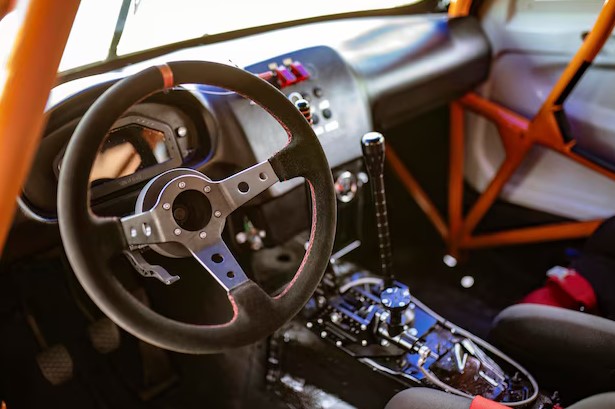
Rare Classic Corvettes: The Most Sought-After Models

Source:https://cdn.motor-junkie.com

Few American sports cars evoke the same passion and admiration as the Chevrolet Corvette. Among collectors and enthusiasts, rare classic Corvettes hold a special place due to their limited production numbers, distinctive styling, and historical significance. These vehicles are more than just cars—they are rolling pieces of automotive art, representing milestones in design, engineering, and performance. From the early C1 models of the 1950s to the iconic C3 and C2 generations, certain Corvettes have become highly prized in auctions and private collections. This article explores some of the most sought-after rare classic Corvettes, highlighting what makes them so special and why they continue to capture the hearts of collectors worldwide.

Understanding the Allure of Classic Corvettes

Classic Corvettes are prized not only for their performance but also for their design innovation. From the distinctive curves of the first-generation (C1) models to the aggressive styling of the second generation (C2), Chevrolet consistently pushed the boundaries of American automotive design. These cars represent an era when the Corvette became a symbol of luxury, speed, and freedom on the open road.

Collectors often focus on limited-production models, such as those with unique engine options, rare body colors, or special trim packages. These factors make certain Corvettes extremely desirable and increase their value exponentially. Additionally, Corvettes with documented histories, original parts, and well-preserved interiors are particularly attractive to enthusiasts who value authenticity.

Understanding what makes a Corvette “rare” involves examining factors such as:

  • Production numbers and exclusivity
  • Original engine and drivetrain specifications
  • Special editions, packages, or factory modifications
  • Condition, originality, and historical provenance

These characteristics contribute not only to the car’s monetary value but also to its status as a cultural icon of American motoring.

Most Sought-After Rare Classic Corvettes

1. 1963 Chevrolet Corvette Sting Ray Split-Window Coupe

The 1963 Corvette Sting Ray introduced a bold new design with its now-famous split rear window. This single-year-only feature instantly made it a collector’s dream. Its independent rear suspension improved handling dramatically, and the sleek, futuristic styling set a new standard for American sports cars. Due to its short production run and iconic design, the 1963 Sting Ray Split-Window Coupe remains one of the most coveted rare classic Corvettes.

2. 1967 Chevrolet Corvette L88

The 1967 Corvette L88 is legendary among enthusiasts for its incredible performance and rarity. With a high-output 427 cubic inch V8 engine, this Corvette was designed with racing in mind, making it one of the most powerful production Corvettes of its time. Only 20 L88 units were produced in 1967, making it exceptionally rare. Collectors prize its raw performance capabilities, distinctive styling, and racing pedigree, often fetching millions at auctions.

3. 1957 Chevrolet Corvette Fuel-Injected Models

The 1957 Corvette marked a turning point with the introduction of the fuel-injected small-block V8. With just a few hundred units equipped with the new fuel injection system, these cars were significantly more powerful than standard models. Their classic 1950s styling, chrome accents, and performance upgrades make the 1957 fuel-injected Corvette a highly desirable collector car. Originality and condition are critical in determining their market value.

4. 1969 Corvette ZL1

The 1969 Corvette ZL1 is often referred to as the “holy grail” of classic Corvettes. Featuring an all-aluminum 427 V8 engine, this model was developed exclusively for racing and weighed significantly less than standard versions. Only two were built in 1969, and their rarity combined with extreme performance makes the ZL1 a dream car for serious collectors.

5. Limited Edition and Special Colors

While performance is a major factor in rarity, unique color schemes and limited-edition packages can also drive collector interest. Corvettes painted in unusual factory colors, such as Laguna Blue or Marlboro Maroon, or those equipped with rare interior trims and options, are considered highly collectible. Limited production numbers combined with desirable aesthetics create a strong market for these models among enthusiasts.

Preserving and Investing in Rare Classic Corvettes

Owning a rare classic Corvette requires careful attention to preservation and maintenance. Authenticity is crucial—restorations should be performed using period-correct parts and techniques to maintain historical accuracy. Documentation, including build sheets, factory records, and ownership history, greatly enhances the car’s value.

For collectors, rare classic Corvettes represent more than an investment; they are a passion project that connects the owner to automotive history. Auctions and private sales often see competitive bidding, reflecting the enduring appeal of these cars. Insurance, climate-controlled storage, and regular mechanical checks are all necessary to ensure these vehicles remain in pristine condition for generations.

Moreover, classic Corvettes are not just about monetary value; they embody a lifestyle. Car shows, vintage racing events, and Corvette clubs provide enthusiasts with opportunities to showcase these vehicles and connect with like-minded collectors worldwide.

The world of rare classic Corvettes is rich with history, performance, and design excellence. From the iconic 1963 Split-Window Coupe to the ultra-rare 1969 ZL1, these vehicles represent milestones in automotive engineering and American culture. Their limited production, distinctive styling, and powerful engines make them some of the most sought-after cars in the collector market. For enthusiasts, owning a rare classic Corvette is not merely about driving a car—it’s about preserving a piece of history and celebrating the enduring legacy of one of America’s most iconic sports cars.

Best Performance Exhaust Systems: Sound, Power, and Efficiency Boosters

Source:https://eaperformance.com.au

Upgrading a vehicle’s exhaust system is one of the most effective ways to enhance both performance and driving enjoyment. Among the many aftermarket options, best performance exhaust systems are designed to improve engine efficiency, increase horsepower, and produce a more aggressive exhaust note. Whether you are a car enthusiast looking to boost your track performance or simply want a richer driving experience, choosing the right exhaust system is crucial. In this article, we will explore how performance exhaust systems work, their key benefits, and some of the best options for drivers seeking power, sound, and efficiency improvements.

How Performance Exhaust Systems Work

The primary function of an exhaust system is to channel exhaust gases from the engine out of the vehicle while minimizing backpressure. Stock exhaust systems are often designed for noise reduction and cost efficiency, which can limit engine performance. Performance exhaust systems, however, are engineered to maximize exhaust flow, reduce restrictions, and optimize engine breathing. By improving airflow, these systems can unlock additional horsepower and torque while enhancing throttle response.

Key components of a performance exhaust system include:

  • Headers or Manifolds: These are designed to efficiently collect exhaust gases from the engine cylinders. High-quality headers reduce backpressure and improve the engine’s scavenging effect, which helps extract more power.
  • High-Flow Catalytic Converters: Unlike standard catalytic converters, high-flow versions maintain emissions compliance while allowing for increased exhaust flow.
  • Performance Mufflers: Mufflers in performance systems are engineered to reduce restrictive dampening, providing a deeper and more aggressive sound without sacrificing efficiency.
  • Exhaust Piping: Larger-diameter and mandrel-bent pipes improve the smoothness of exhaust flow, which reduces turbulence and maximizes power output.

The combination of these components is designed not only to enhance engine performance but also to improve the overall driving experience through better sound and responsiveness.

Benefits of Installing a Performance Exhaust

Increased Horsepower and Torque

One of the most immediate and noticeable benefits of installing a performance exhaust system is the increase in engine output. By reducing exhaust restrictions and improving airflow, the engine can operate more efficiently, generating more horsepower and torque. This improvement is particularly evident in high-performance vehicles or engines with forced induction, such as turbochargers or superchargers. Even naturally aspirated engines benefit from improved exhaust scavenging, which can result in a smoother power delivery and faster acceleration.

Enhanced Sound Quality

Performance exhaust systems are often selected for their distinctive sound. While stock systems are typically tuned to minimize noise, aftermarket performance systems can deliver a more aggressive, deeper tone that enhances the driving experience. Depending on the design and materials used, the exhaust note can range from a subtle growl to a throaty roar. Drivers can select systems that suit their preferences, balancing volume with refinement to avoid excessive cabin resonance or road noise.

Improved Fuel Efficiency

It might seem counterintuitive, but a well-designed performance exhaust can also improve fuel efficiency. By reducing backpressure and allowing the engine to breathe more freely, combustion becomes more efficient, which can result in better fuel economy under certain driving conditions. This benefit is often most noticeable during steady highway driving, where optimized exhaust flow allows the engine to operate at lower RPMs while maintaining power output.

Durability and Aesthetics

Many performance exhaust systems are constructed from stainless steel or titanium, which are more resistant to corrosion than standard steel. This ensures a longer lifespan, even under extreme driving conditions. Additionally, polished tips and unique designs can enhance the visual appeal of a vehicle, making it look as aggressive as it sounds.

Choosing the Right Performance Exhaust System

Cat-Back vs. Axle-Back Systems

When selecting an exhaust system, it’s important to understand the differences between cat-back and axle-back configurations.

  • Cat-Back Systems: These systems replace the exhaust components from the catalytic converter to the tailpipe. Cat-back systems typically offer more significant performance gains, improved sound, and better aesthetics due to their larger piping and upgraded mufflers.
  • Axle-Back Systems: These systems replace only the rear section of the exhaust, including the mufflers and tailpipes. Axle-back systems are usually easier to install and provide a moderate sound enhancement but offer fewer performance improvements compared to cat-back systems.

Considerations for Installation

Professional installation is recommended to ensure proper fitment and alignment. Additionally, it is important to check local emissions regulations, as some performance exhaust systems may not be street-legal in certain regions. Drivers should also consider their driving goals: whether they prioritize aggressive sound, peak performance, or a balanced combination of both.

Investing in the best performance exhaust systems is an effective way to enhance your vehicle’s power, efficiency, and sound. From increased horsepower and torque to a deeper, more aggressive exhaust note, these systems deliver noticeable improvements that can elevate any driving experience. By understanding the components, benefits, and installation considerations, drivers can select the right exhaust system to suit their specific needs and driving style. Ultimately, a high-quality performance exhaust system not only boosts performance but also transforms the character and enjoyment of your vehicle, making every drive more exhilarating and satisfying.

How to Upgrade a Car’s Suspension: Best Mods for Handling and Comfort

Source:https://italiancarshop.co.uk

A car’s suspension system plays a critical role in ensuring both driving comfort and vehicle handling. Many car enthusiasts and everyday drivers often overlook the potential improvements that can be achieved through suspension upgrades. Knowing how to upgrade a car’s suspension can transform your driving experience, whether you’re navigating winding roads or cruising on the highway. Upgrading your suspension not only improves handling and safety but also enhances ride quality, reducing vibrations and discomfort caused by rough roads. In this article, we will explore the most effective suspension modifications, detailing options for both handling performance and overall comfort.

Understanding Suspension Basics

Before diving into specific modifications, it’s essential to understand what a car’s suspension system does. The suspension system is composed of several key components, including springs, shock absorbers, struts, control arms, and bushings. These elements work together to:

  • Absorb bumps and irregularities on the road
  • Maintain tire contact with the surface for optimal traction
  • Support the vehicle’s weight and maintain stability
  • Reduce body roll and improve cornering performance

A well-designed suspension ensures that your vehicle remains balanced and predictable during various driving conditions. Conversely, worn or stock suspension components can lead to poor handling, increased body roll, and a less comfortable ride. Understanding these basics is crucial when considering upgrades, as the modifications should align with your driving needs.

Best Suspension Mods for Handling

Performance Springs and Coilovers

Performance springs are designed to lower your car’s center of gravity, which reduces body roll and improves cornering. For more advanced handling improvements, coilovers are a highly recommended option. Coilovers combine springs and shock absorbers in a single unit, often with adjustable ride height and damping settings. This allows drivers to fine-tune their suspension for specific driving conditions, whether for street driving or track use. High-quality coilovers can dramatically improve handling without sacrificing too much comfort, making them a popular choice among enthusiasts.

Upgraded Shock Absorbers and Struts

Shock absorbers and struts control the rebound and compression of the suspension. Upgrading to performance-oriented shocks can enhance stability and responsiveness. Options such as gas-charged or monotube shocks provide more precise control and reduce body movement during aggressive maneuvers. Adjustable shocks give drivers the ability to switch between a softer, comfort-oriented setting and a firmer, sport-focused setting, making them versatile for everyday use.

Sway Bars and Anti-Roll Bars

Sway bars, also known as anti-roll bars, connect opposite wheels and help control body roll during cornering. Upgrading to thicker, performance-oriented sway bars improves lateral stability and ensures more predictable handling. This is particularly beneficial for vehicles that see frequent high-speed turns or spirited driving on twisty roads. Pairing sway bars with other suspension modifications like coilovers amplifies their effectiveness.

Suspension Mods for Comfort

Progressive Springs

While performance springs focus on handling, progressive springs are designed to provide a balance between ride comfort and moderate handling improvements. Unlike linear springs, progressive springs become stiffer gradually as the load increases. This ensures that small bumps are absorbed smoothly, while larger impacts are handled without bottoming out. For drivers seeking comfort without compromising safety and stability, progressive springs are an excellent choice.

Upgraded Bushings

Bushings are small rubber or polyurethane components that isolate suspension parts from the chassis. Stock rubber bushings tend to wear out over time, causing vibrations and noise to be transmitted into the cabin. Upgrading to high-quality polyurethane bushings reduces unwanted movement while still absorbing road imperfections. The result is a smoother, quieter ride with improved control.

Air Suspension Systems

For ultimate comfort customization, air suspension systems provide adjustable ride height and stiffness at the push of a button. These systems use air springs instead of traditional coil springs, allowing drivers to soften or firm up the suspension based on road conditions. Air suspension is especially popular for luxury vehicles or those that frequently carry varying loads, as it can maintain a level ride and reduce strain on other components.

Choosing the Right Suspension Upgrade

When considering how to upgrade a car’s suspension, it is essential to evaluate your driving goals. Are you looking for track-level performance, everyday comfort, or a balanced approach? The type of car, driving environment, and personal preference will all influence which modifications are most appropriate. Additionally, suspension upgrades should be paired with proper wheel alignment and quality tires to ensure that the improvements are fully realized.

Professional installation is highly recommended, as improper setup can negatively affect handling, tire wear, and safety. Many aftermarket suspension components allow for adjustability, meaning small tweaks can have a significant impact on performance. Testing different configurations on familiar roads will help fine-tune the suspension to your liking.

Understanding how to upgrade a car’s suspension involves more than just swapping parts—it requires a thoughtful approach to balance handling, safety, and comfort. By investing in quality springs, coilovers, shocks, sway bars, bushings, or even air suspension, drivers can significantly enhance both the performance and ride quality of their vehicle. Every modification should align with your driving style and intended use, ensuring that your car not only handles better but also delivers a smoother, more enjoyable ride. A well-upgraded suspension transforms the driving experience, making every journey safer and more comfortable.

Best Pickup Trucks: Top Choices for Power and Utility

Source:https://m.atcdn.co.uk

Pickup trucks have long been a favorite for those who need a combination of power, utility, and versatility. Whether you’re hauling heavy loads, towing a trailer, or navigating rugged terrains, a pickup truck provides the necessary strength and adaptability to get the job done. In recent years, advancements in engineering, technology, and design have made modern pickups more capable and comfortable than ever. However, with so many models on the market, it can be difficult to determine which trucks are truly the best for your specific needs. In this article, we will explore the best pickup trucks available today, focusing on their power, utility, and features that make them stand out in an ever-evolving market.

1. Key Factors to Consider When Choosing the Best Pickup Trucks

Before diving into the top choices for the best pickup trucks, it’s important to consider several key factors that can help guide your decision-making process. Not all pickup trucks are built the same, and choosing the right one requires weighing your specific needs against the features and capabilities of each model.

1.1 Towing and Payload Capacity

The primary reason many people choose pickup trucks is their towing and payload capabilities. Whether you’re hauling a boat, camper, or construction materials, the truck’s ability to tow heavy loads is crucial. Pickup trucks are typically categorized into three classes based on their towing and payload capabilities: light-duty, medium-duty, and heavy-duty.

  • Light-duty trucks, like the Ford F-150, are perfect for everyday use and can tow up to 12,000 pounds.
  • Medium-duty trucks, such as the RAM 2500, provide more power for heavy-duty jobs like construction or agricultural work.
  • Heavy-duty trucks, like the Ford F-350 Super Duty, offer maximum towing and payload capacity, ideal for commercial use and large-scale tasks.

When looking at the best pickup trucks, it’s important to determine what towing and payload capacity fits your lifestyle.

1.2 Fuel Efficiency

Given the size and weight of pickup trucks, fuel efficiency is often seen as a compromise. However, advancements in engine technology and the availability of hybrid and diesel options have made it possible to get decent fuel economy without sacrificing power. Depending on the truck model and engine configuration, fuel efficiency can range from 15 to 30 miles per gallon on the highway.

For buyers looking to balance power and efficiency, choosing a pickup truck with the right engine type—be it a V6, V8, diesel, or hybrid—can help improve long-term fuel savings.

1.3 Interior Comfort and Technology

While power and utility are often the focus of pickup truck buyers, interior comfort and technology have become increasingly important. A spacious and well-equipped cabin is essential for long trips or when using the truck for both work and personal use. Many of the best pickup trucks now feature luxury-level interiors with high-quality materials, advanced infotainment systems, and driver-assist technology to enhance safety and convenience.

Look for features such as:

  • Apple CarPlay and Android Auto for seamless smartphone integration.
  • Adaptive cruise control and lane-keeping assist for added safety.
  • Heated and ventilated seats, especially in higher trims, for greater comfort.

1.4 Off-Road Capability

For those who need a truck for rugged terrain, off-road capability becomes a critical factor. Models with four-wheel drive, advanced suspension systems, and off-road packages are better suited for traversing difficult terrains such as mud, snow, and rocky trails.

Some of the best pickup trucks offer off-road-ready models with enhanced durability, such as the Ford Raptor, Chevy ZR2, and RAM Power Wagon.

2. Top 3 Pickup Trucks for Power and Utility

Now that we’ve covered the key features to look for in the best pickup trucks, let’s explore three of the top models available in 2025. These trucks have earned high praise for their towing capacity, interior features, and overall performance.

2.1 Ford F-150

The Ford F-150 has been one of the best-selling trucks in the U.S. for decades, and for good reason. It’s a versatile and reliable vehicle that delivers a combination of power, utility, and comfort. Available in various trims and with multiple engine options, including a hybrid variant, the F-150 can be tailored to suit different needs, from worksite powerhouse to family-friendly commuter.

  • Towing Capacity: Up to 14,000 pounds with the right configuration.
  • Engine Options: V6, V8, Hybrid, and EcoBoost engines.
  • Fuel Efficiency: 20-25 MPG, depending on the engine.
  • Interior Features: The F-150 boasts a tech-rich interior, including the Sync 4 infotainment system, a large touchscreen, and available leather upholstery.

For those who need a truck that can handle both heavy-duty tasks and offer a comfortable, tech-forward ride, the Ford F-150 remains one of the best pickup trucks in 2025.

2.2 RAM 1500

The RAM 1500 continues to be one of the most well-rounded and stylish pickups on the market. Known for its luxurious interior, smooth ride, and robust performance, it’s perfect for those who want a vehicle that can handle daily work and weekend adventures without compromising on comfort.

  • Towing Capacity: Up to 12,750 pounds with the 5.7L HEMI V8 engine.
  • Engine Options: V6, V8, and EcoDiesel engines.
  • Fuel Efficiency: Around 22-24 MPG highway.
  • Interior Features: The RAM 1500 offers a premium interior with available leather seating, a large 12-inch touchscreen, and excellent sound systems. Additionally, its rear-seat legroom is among the best in its class.

What sets the RAM 1500 apart is its smooth ride quality, aided by its available air suspension system, making it a great choice for those who prioritize comfort alongside power and utility.

2.3 Chevrolet Silverado 2500HD

For those who need a heavy-duty workhorse, the Chevrolet Silverado 2500HD is an excellent option. Offering exceptional towing capacity and payload strength, the Silverado 2500HD is built for those who need a truck for large-scale commercial tasks or heavy-duty hauling.

  • Towing Capacity: Up to 18,510 pounds with the Duramax diesel engine.
  • Engine Options: 6.6L V8 gasoline and 6.6L Duramax V8 diesel.
  • Fuel Efficiency: Around 15-18 MPG highway (diesel engine).
  • Interior Features: The Silverado 2500HD is equipped with a straightforward yet functional interior. While it may not be as luxurious as the RAM 1500, it offers practical features such as easy-to-read gauges, a user-friendly infotainment system, and a durable cabin.

The Silverado 2500HD is designed for heavy lifting, offering superb power and utility for those whose main focus is towing and payload capacity rather than luxury features.

3. Considerations When Choosing the Best Pickup Truck

When selecting the best pickup truck for your needs, it’s important to consider factors such as your typical usage, budget, and desired features. Here are some tips to guide your decision:

3.1 Determine Your Primary Use

Are you planning to use your truck primarily for work? Or do you want a vehicle that can also handle family trips and weekend adventures? If you need heavy-duty towing and hauling capabilities, opt for a truck like the Chevrolet Silverado 2500HD or RAM 2500. For more everyday tasks and light towing, the Ford F-150 or RAM 1500 will provide a good balance of power and comfort.

3.2 Assess the Total Cost of Ownership

While the purchase price is important, also consider the long-term cost of ownership, including fuel efficiency, maintenance, and insurance. Diesel engines tend to offer better fuel economy for heavy-duty trucks, but they can be more expensive to maintain.

3.3 Factor in Comfort and Technology

Pickups aren’t just work tools—they’re often used as daily drivers. If comfort and advanced tech features are important to you, look for models with higher-end interiors, such as the RAM 1500 or Ford F-150, which offer luxurious seating, advanced infotainment, and driver-assist features.

The best pickup trucks in 2025 offer a perfect blend of power, utility, and comfort, making them ideal for a variety of needs—from heavy-duty commercial tasks to family-friendly transportation. Whether you’re hauling trailers, taking on off-road adventures, or simply looking for a dependable work truck, there’s a pickup that fits your requirements. From the versatile Ford F-150 to the heavy-duty Chevrolet Silverado 2500HD, the best models offer everything you need to tackle tough jobs while maintaining comfort and convenience. Whatever your preference may be, choosing the right pickup truck will enhance your driving experience and ensure that you’re well-equipped for any challenge.

Best OBD2 Scanners for DIY Mechanics: Essential Tools for Car Diagnostics

Source:https://hips.hearstapps.com

For car enthusiasts and DIY mechanics, diagnosing vehicle issues without the help of a professional mechanic can seem like a daunting task. Fortunately, modern vehicles come equipped with an On-Board Diagnostics (OBD) system that can provide valuable insights into a car’s performance and alert you to any potential problems. However, accessing this data used to require specialized equipment and professional knowledge. Today, with the help of affordable OBD2 scanners, anyone can access and interpret this diagnostic information. In this article, we will explore the best OBD2 scanners for DIY mechanics, offering a closer look at the tools that can help you save money on car repairs, improve your vehicle’s performance, and make your diagnostic process more efficient.

1. What is an OBD2 Scanner and Why is it Important for DIY Mechanics?

An OBD2 scanner is a diagnostic tool that interfaces with your car’s OBD2 port to retrieve trouble codes, data from various sensors, and performance information from the vehicle’s onboard computer system. These scanners are essential for diagnosing issues related to the engine, exhaust, fuel system, and many other components in modern cars. OBD2 scanners provide information that can help identify the root cause of various car problems, ranging from engine misfires to faulty sensors or emissions issues.

For DIY mechanics, using an OBD2 scanner is an excellent way to perform their own car diagnostics, reduce reliance on auto repair shops, and understand the condition of their vehicles. With the ability to read and clear trouble codes, monitor real-time sensor data, and reset warning lights (such as the check engine light), these devices are indispensable for any mechanic looking to work on cars at home.

Unlike the days of relying on professional diagnostic tools that were both expensive and complex, best OBD2 scanners for DIY mechanics offer easy-to-use, affordable solutions that can be used by anyone, from beginners to seasoned car enthusiasts. These scanners range from basic models that just read and clear codes to advanced systems that provide live data, detailed trouble code descriptions, and even the ability to perform specific repairs, such as resetting ABS and airbag lights.

2. Key Features to Look for in OBD2 Scanners

When choosing the right OBD2 scanner for DIY car diagnostics, it’s important to consider a few key features to ensure you’re investing in the right tool for your needs. Here are some of the most important features to look for in the best OBD2 scanners for DIY mechanics:

2.1 Compatibility with Your Vehicle

The first and foremost consideration is ensuring that the OBD2 scanner you choose is compatible with your vehicle. Most OBD2 scanners work with cars manufactured after 1996, as this is when the OBD2 system became standard. However, not all OBD2 scanners work equally well with every make and model. It’s crucial to check whether the scanner supports your vehicle’s make and year.

Some advanced scanners are capable of working with a wide range of vehicles, including foreign and domestic models, while others may have limited compatibility. So, if you work on multiple types of cars, you’ll want to opt for a universal scanner that can handle a variety of brands and models.

2.2 Ease of Use

When it comes to choosing the best OBD2 scanner, ease of use is a vital factor. A good scanner should feature a user-friendly interface, intuitive navigation, and clear instructions. For DIY mechanics, the process should be simple—just plug in the scanner to the OBD2 port, and the tool should provide readable results without unnecessary steps or complex jargon.

Additionally, many scanners come with large displays that show easy-to-read diagnostic codes, while some advanced models offer color screens or touchscreen functionality. The ability to easily understand what’s going wrong with your vehicle is key, especially for those who may not have advanced technical knowledge.

2.3 Live Data Monitoring

Live data monitoring is one of the most useful features in modern OBD2 scanners. This allows you to view real-time information about various sensors and vehicle systems, such as engine temperature, fuel efficiency, RPM, oxygen sensor data, and more. Having access to this live data can help DIY mechanics troubleshoot problems, monitor engine performance, and optimize the vehicle’s efficiency.

Live data is particularly useful when diagnosing intermittent problems that don’t always trigger trouble codes, as it allows you to observe how various vehicle components are behaving in real-time.

2.4 Trouble Code Description and Repair Tips

The best OBD2 scanners for DIY mechanics provide detailed trouble code descriptions, helping users understand the meaning behind error codes. Some advanced models also offer suggested repair solutions based on the trouble codes, making it easier for DIY mechanics to perform repairs on their own.

For example, if you receive a P0171 code indicating a lean fuel mixture, a high-quality scanner may provide additional context about potential causes, such as a faulty mass airflow sensor or a vacuum leak. This is particularly helpful for beginners who may not be familiar with all the trouble codes.

2.5 Reset Functionality

Many OBD2 scanners allow you to reset warning lights such as the check engine light (CEL), ABS, or SRS (airbag) lights. This is an essential feature for DIY mechanics who want to clear codes after performing a repair or maintenance task. However, it’s important to remember that clearing a code doesn’t solve the underlying issue. The light will likely return if the problem hasn’t been addressed.

Additionally, certain OBD2 scanners can reset specific systems, such as the oil change light or the TPMS (Tire Pressure Monitoring System), making them an even more valuable tool for vehicle maintenance.

3. Top OBD2 Scanners for DIY Mechanics

Now that you know what features to look for in an OBD2 scanner, let’s take a closer look at some of the best OBD2 scanners for DIY mechanics available today.

3.1 BlueDriver OBD2 Scanner

The BlueDriver OBD2 scanner is widely regarded as one of the best scanners for DIY mechanics, offering a robust set of features that makes it ideal for both beginners and more experienced car enthusiasts. This Bluetooth-enabled device pairs with your smartphone or tablet, using a dedicated app to provide detailed diagnostics, live data, and trouble code descriptions.

The BlueDriver is compatible with a wide range of vehicles, including both domestic and foreign models, and it offers enhanced diagnostics such as ABS, airbag, and transmission codes. The intuitive app provides clear explanations of codes and even offers repair tips, making it an excellent choice for those who want a comprehensive tool at an affordable price.

3.2 Autel MaxiCOM MK808

For mechanics who need a more advanced scanner, the Autel MaxiCOM MK808 is a powerful, versatile tool. This professional-grade OBD2 scanner features a large 7-inch touchscreen and provides access to over 80 vehicle systems. The MK808 allows for diagnostics of not only engine and transmission systems but also advanced systems like ABS, SRS, and steering angle sensors.

The device supports live data streaming, code reading and clearing, and offers additional features like oil reset and EPB (Electronic Parking Brake) service. While the MK808 may be overkill for some DIY mechanics, its wide functionality makes it an excellent option for those looking for a comprehensive diagnostic tool that goes beyond basic scanning.

3.3 INNOVA 3100J OBD2 Scanner

If you’re looking for an affordable and straightforward OBD2 scanner, the INNOVA 3100J is an excellent option. It offers basic diagnostic features such as reading and clearing trouble codes, as well as displaying real-time data on engine parameters. This scanner is easy to use, making it perfect for beginners or those who only need to address basic engine issues.

The 3100J also supports both OBD2 and enhanced diagnostics for specific vehicle brands like GM, Ford, and Chrysler, making it a solid option for DIY mechanics working with a variety of cars.

3.4 Launch CRP129X OBD2 Scanner

The Launch CRP129X offers advanced diagnostic capabilities at a mid-range price point. With features like live data streaming, ABS/SRS reset, and engine diagnostics, this scanner is great for DIY mechanics who want a more detailed and professional-level tool without breaking the bank. It supports a wide range of vehicles, including Asian, European, and domestic models, and features a user-friendly interface.

The CRP129X also includes a large color display, making it easy to view codes and live data on the screen. Additionally, it offers software updates via Wi-Fi, ensuring that the device stays up-to-date with the latest vehicle models and diagnostics.

When it comes to best OBD2 scanners for DIY mechanics, having the right tool can make all the difference in diagnosing and fixing car issues efficiently. Whether you’re a beginner looking for a simple tool to read and clear codes, or a more advanced mechanic in need of professional-grade diagnostics, there’s an OBD2 scanner to meet your needs. By investing in the right scanner, you can save money on repairs, extend the life of your vehicle, and gain valuable insight into your car’s performance. With the wide range of options available in 2025, DIY mechanics can now access high-quality diagnostic tools at a price that fits their budget.