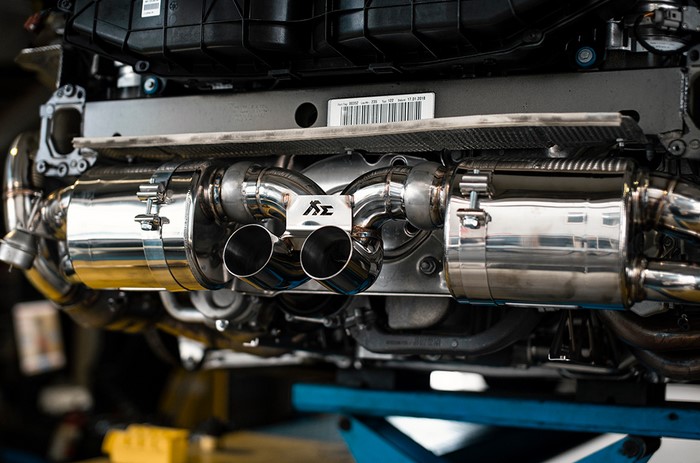
Upgrading a vehicle’s exhaust system is one of the most effective ways to enhance both performance and driving enjoyment. Among the many aftermarket options, best performance exhaust systems are designed to improve engine efficiency, increase horsepower, and produce a more aggressive exhaust note. Whether you are a car enthusiast looking to boost your track performance or simply want a richer driving experience, choosing the right exhaust system is crucial. In this article, we will explore how performance exhaust systems work, their key benefits, and some of the best options for drivers seeking power, sound, and efficiency improvements.
How Performance Exhaust Systems Work
The primary function of an exhaust system is to channel exhaust gases from the engine out of the vehicle while minimizing backpressure. Stock exhaust systems are often designed for noise reduction and cost efficiency, which can limit engine performance. Performance exhaust systems, however, are engineered to maximize exhaust flow, reduce restrictions, and optimize engine breathing. By improving airflow, these systems can unlock additional horsepower and torque while enhancing throttle response.
Key components of a performance exhaust system include:
- Headers or Manifolds: These are designed to efficiently collect exhaust gases from the engine cylinders. High-quality headers reduce backpressure and improve the engine’s scavenging effect, which helps extract more power.
- High-Flow Catalytic Converters: Unlike standard catalytic converters, high-flow versions maintain emissions compliance while allowing for increased exhaust flow.
- Performance Mufflers: Mufflers in performance systems are engineered to reduce restrictive dampening, providing a deeper and more aggressive sound without sacrificing efficiency.
- Exhaust Piping: Larger-diameter and mandrel-bent pipes improve the smoothness of exhaust flow, which reduces turbulence and maximizes power output.
The combination of these components is designed not only to enhance engine performance but also to improve the overall driving experience through better sound and responsiveness.
Benefits of Installing a Performance Exhaust
Increased Horsepower and Torque
One of the most immediate and noticeable benefits of installing a performance exhaust system is the increase in engine output. By reducing exhaust restrictions and improving airflow, the engine can operate more efficiently, generating more horsepower and torque. This improvement is particularly evident in high-performance vehicles or engines with forced induction, such as turbochargers or superchargers. Even naturally aspirated engines benefit from improved exhaust scavenging, which can result in a smoother power delivery and faster acceleration.
Enhanced Sound Quality
Performance exhaust systems are often selected for their distinctive sound. While stock systems are typically tuned to minimize noise, aftermarket performance systems can deliver a more aggressive, deeper tone that enhances the driving experience. Depending on the design and materials used, the exhaust note can range from a subtle growl to a throaty roar. Drivers can select systems that suit their preferences, balancing volume with refinement to avoid excessive cabin resonance or road noise.
Improved Fuel Efficiency
It might seem counterintuitive, but a well-designed performance exhaust can also improve fuel efficiency. By reducing backpressure and allowing the engine to breathe more freely, combustion becomes more efficient, which can result in better fuel economy under certain driving conditions. This benefit is often most noticeable during steady highway driving, where optimized exhaust flow allows the engine to operate at lower RPMs while maintaining power output.
Durability and Aesthetics
Many performance exhaust systems are constructed from stainless steel or titanium, which are more resistant to corrosion than standard steel. This ensures a longer lifespan, even under extreme driving conditions. Additionally, polished tips and unique designs can enhance the visual appeal of a vehicle, making it look as aggressive as it sounds.
Choosing the Right Performance Exhaust System
Cat-Back vs. Axle-Back Systems
When selecting an exhaust system, it’s important to understand the differences between cat-back and axle-back configurations.
- Cat-Back Systems: These systems replace the exhaust components from the catalytic converter to the tailpipe. Cat-back systems typically offer more significant performance gains, improved sound, and better aesthetics due to their larger piping and upgraded mufflers.
- Axle-Back Systems: These systems replace only the rear section of the exhaust, including the mufflers and tailpipes. Axle-back systems are usually easier to install and provide a moderate sound enhancement but offer fewer performance improvements compared to cat-back systems.
Considerations for Installation
Professional installation is recommended to ensure proper fitment and alignment. Additionally, it is important to check local emissions regulations, as some performance exhaust systems may not be street-legal in certain regions. Drivers should also consider their driving goals: whether they prioritize aggressive sound, peak performance, or a balanced combination of both.
Investing in the best performance exhaust systems is an effective way to enhance your vehicle’s power, efficiency, and sound. From increased horsepower and torque to a deeper, more aggressive exhaust note, these systems deliver noticeable improvements that can elevate any driving experience. By understanding the components, benefits, and installation considerations, drivers can select the right exhaust system to suit their specific needs and driving style. Ultimately, a high-quality performance exhaust system not only boosts performance but also transforms the character and enjoyment of your vehicle, making every drive more exhilarating and satisfying.