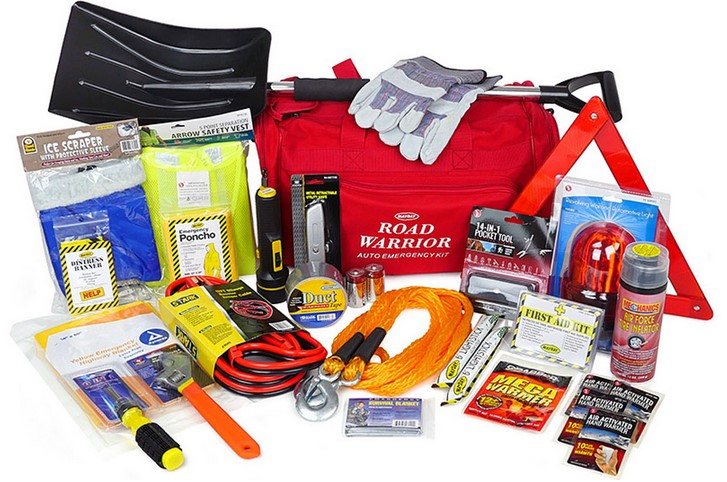
When it comes to driving, preparation can mean the difference between a minor inconvenience and a serious emergency. Every vehicle owner should prioritize safety by carrying must-have car emergency kits, equipped to handle unexpected situations on the road. From flat tires to medical emergencies, a well-stocked kit ensures that drivers are ready to respond quickly and efficiently. This article explores the essential items every car emergency kit should include, tips for maintaining your kit, and additional tools that can enhance roadside safety for drivers of all experience levels.
Why Every Vehicle Needs an Emergency Kit
Unexpected events can occur at any time, whether it’s a sudden breakdown, severe weather, or an accident. Having a comprehensive emergency kit not only provides peace of mind but can also save lives. Modern vehicles often come with some basic emergency tools, but these are typically insufficient for serious situations.
A robust kit should address several critical areas:
- Safety: Items that protect you and your passengers from harm.
- Communication: Tools to contact help or signal for assistance.
- Survival: Supplies that ensure comfort and sustenance if stranded.
- Vehicle Recovery: Tools to handle minor repairs or get back on the road.
By combining these elements, drivers can be prepared for a wide range of scenarios, from minor inconveniences to life-threatening situations.
Essential Components of a Car Emergency Kit
1. Safety Gear
Safety should always come first when assembling a car emergency kit. Key items include:
- First Aid Kit: A comprehensive kit should include bandages, antiseptic wipes, gauze, adhesive tape, scissors, and over-the-counter pain relievers. For extended travel, consider adding burn cream and a CPR face shield.
- Reflective Triangle and Flares: These items increase visibility if your car breaks down on the roadside, helping prevent accidents.
- Flashlight with Extra Batteries: Adequate lighting is essential for night-time emergencies or when inspecting your vehicle in low-light conditions.
- High-Visibility Vest: Wearing a reflective vest increases your visibility to passing drivers, particularly on highways.
2. Vehicle Recovery Tools
Being prepared for minor mechanical issues can prevent a small problem from becoming a major setback. Essential tools include:
- Jumper Cables or Portable Jump Starter: Dead batteries are one of the most common causes of roadside emergencies. Having the means to restart your vehicle is critical.
- Tire Repair Kit or Spare Tire: Flat tires are a frequent occurrence. A compact repair kit or a properly inflated spare ensures you can continue your journey safely.
- Basic Tool Kit: Screwdrivers, pliers, and adjustable wrenches allow you to address minor mechanical issues.
- Tow Strap or Rope: In situations where your vehicle needs to be moved or towed, a strong tow strap can be invaluable.
3. Communication and Navigation Aids
Maintaining contact and knowing your location are essential during roadside emergencies. Recommended items include:
- Charged Mobile Phone and Car Charger: Ensures you can call for help or use GPS navigation.
- Emergency Contact Numbers: Keep a written list of roadside assistance services, family contacts, and local authorities.
- Portable Power Bank: Provides additional charging options if your vehicle battery dies.
- Paper Maps: In areas with poor cell reception, maps are a reliable backup.
4. Survival Essentials
Depending on your travel environment, having supplies for sustenance and comfort is crucial:
- Bottled Water and Non-Perishable Snacks: Staying hydrated and maintaining energy can be critical, especially during long waits for help.
- Blanket or Thermal Emergency Blanket: Keeps passengers warm in cold weather or during night-time emergencies.
- Rain Poncho or Extra Clothing: Protects against exposure to harsh weather conditions.
- Multipurpose Utility Knife: Useful for cutting seatbelts, opening packages, or performing other emergency tasks.
Tips for Maintaining Your Car Emergency Kit
A well-stocked kit is only useful if it is maintained properly. Here are some tips to ensure your kit remains effective:
- Regularly Check Expiry Dates: Items like first-aid supplies, batteries, and water bottles have expiration dates. Replace them as needed.
- Customize Based on Your Vehicle and Travel Plans: Larger vehicles might allow for more extensive kits, while city drivers may prioritize compact, portable solutions.
- Educate Yourself: Knowing how to use each item in your kit is as important as having it. Practice changing a tire, jump-starting a car, and using first-aid supplies.
- Keep It Accessible: Store your emergency kit in a location that is easy to reach, such as the trunk or under a seat. Avoid packing it so tightly that you cannot access it in a hurry.
Additional optional items, such as a portable air compressor, fire extinguisher, or roadside signaling devices, can further enhance preparedness, particularly for long-distance travel or remote areas.
Being prepared for unexpected situations is a fundamental part of responsible vehicle ownership. Must-have car emergency kits provide drivers with the essential tools to handle roadside issues safely, from flat tires and dead batteries to medical emergencies and extreme weather conditions. A well-organized kit not only protects you and your passengers but also ensures peace of mind, knowing that you are ready for whatever the road may present. By investing in a comprehensive emergency kit and maintaining it properly, every driver can significantly increase their safety and confidence while traveling.