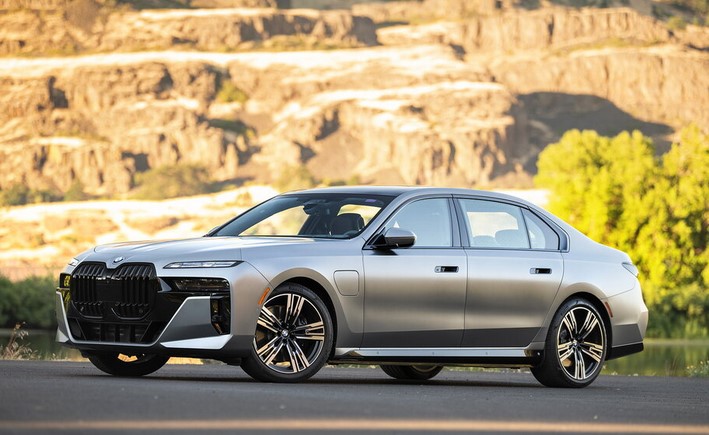
Tesla Model Y: Features, Performance, and Specs

Introduction to a Modern Electric SUV

The automotive industry has undergone significant transformation with the rise of electric vehicles, and one of the most influential models in this shift is the Tesla Model Y. Designed to combine the practicality of a compact SUV with the performance and efficiency of an electric powertrain, this vehicle has quickly become one of the most popular electric cars in the world. It offers advanced technology, impressive driving range, and a minimalist interior design that reflects the future of mobility.

As more consumers move toward environmentally friendly transportation, electric SUVs like the Tesla Model Y are gaining attention for their balance between sustainability and everyday usability. Unlike many traditional SUVs that rely on gasoline engines, this electric vehicle delivers instant acceleration, quiet operation, and lower long-term maintenance costs.

The Tesla Model Y also stands out for its advanced software features, over-the-air updates, and autonomous driving capabilities. These innovations help redefine the driving experience by combining automotive engineering with cutting-edge digital technology. For drivers seeking a vehicle that blends efficiency, technology, and versatility, this electric SUV offers a compelling solution.

Design and Interior Innovation

One of the most distinctive aspects of this electric SUV is its modern design. The exterior features smooth aerodynamic lines, a sleek roofline, and a minimalist front fascia without a traditional grille. This streamlined design is not only visually appealing but also helps improve energy efficiency by reducing air resistance.

The vehicle’s compact SUV proportions make it practical for families while maintaining a sporty appearance. Its elevated seating position provides good road visibility, and the large panoramic glass roof creates an open and spacious feel inside the cabin.

Minimalist Cabin and Smart Technology

Inside the vehicle, the interior design emphasizes simplicity and technology. Instead of multiple buttons and traditional instrument clusters, the dashboard is dominated by a large central touchscreen display. This screen controls nearly every function in the vehicle, including navigation, climate settings, entertainment, and vehicle information.

The minimalist layout creates a clean and uncluttered environment. High-quality materials and subtle design details contribute to a modern and comfortable cabin atmosphere.

Another notable feature is the flexible seating configuration. The rear seats can fold flat to expand cargo capacity, making the vehicle suitable for transporting larger items. Some versions also offer an optional third row, allowing the vehicle to accommodate up to seven passengers.

Storage space is another advantage of electric vehicle design. Because there is no conventional engine under the hood, the vehicle includes an additional front storage compartment often referred to as a “frunk.” Combined with the rear cargo area, this provides generous storage capacity for daily errands or road trips.

Advanced connectivity features also play an important role in the driving experience. Built-in navigation systems, streaming entertainment options, and smartphone integration make the vehicle feel more like a connected digital platform than a traditional car.

Performance and Driving Experience

Electric vehicles are often praised for their acceleration and smooth performance, and this SUV delivers impressive driving dynamics. Unlike gasoline engines that require time to build power, electric motors provide instant torque the moment the driver presses the accelerator.

This immediate power delivery results in quick acceleration and responsive handling. Even the standard versions of the vehicle provide strong performance, while performance-oriented variants can accelerate from zero to highway speeds in just a few seconds.

All-wheel-drive capability is available on many versions of the vehicle, using dual electric motors to distribute power between the front and rear wheels. This improves traction in challenging road conditions such as rain or snow.

The vehicle also features a low center of gravity due to its battery placement beneath the floor. This design enhances stability and cornering performance, making the driving experience feel balanced and controlled.

Another important advantage of electric vehicles is quiet operation. Without the noise and vibration of a combustion engine, the cabin remains calm and comfortable even during highway driving.

Regenerative braking technology also contributes to the driving experience. When the driver lifts their foot off the accelerator, the vehicle slows down while converting kinetic energy back into electrical energy stored in the battery. This process helps extend driving range and reduce wear on traditional brake components.

Battery Range, Charging, and Efficiency

Driving range is one of the most important considerations for electric vehicle buyers. This SUV offers competitive range capabilities depending on the model configuration and battery size.

Long-range variants are designed to travel hundreds of miles on a single charge, making them suitable for daily commuting as well as long-distance road trips. Efficient energy management systems and aerodynamic design help maximize battery performance.

Charging options are also an important part of the ownership experience. Drivers can recharge the vehicle using home charging systems or public charging stations. Home charging allows owners to conveniently charge the vehicle overnight, ensuring it is ready for use each day.

Fast-charging networks provide another option for longer journeys. High-speed chargers can restore a significant portion of the battery’s capacity within a relatively short time, making electric road trips more practical than ever before.

Another advantage of electric vehicles is reduced maintenance requirements. Without components such as engine oil systems, exhaust systems, and traditional transmissions, there are fewer parts that require regular servicing. This can help lower maintenance costs over the life of the vehicle.

Safety and Driver Assistance Features

Safety technology is a key focus of modern electric vehicles. Advanced driver assistance systems help support drivers during various road conditions and traffic situations.

These systems may include adaptive cruise control, lane-keeping assistance, collision warning systems, and automatic emergency braking. Together, these technologies enhance driver awareness and help reduce the risk of accidents.

Over-the-air software updates also allow the vehicle’s safety systems and performance features to improve over time. Instead of requiring dealership visits for software upgrades, new features and improvements can be delivered directly to the vehicle through wireless updates.

The vehicle’s structural design also contributes to safety. Electric vehicle platforms often include reinforced battery protection and strong crash structures designed to absorb impact energy.

Electric vehicles continue to reshape the future of transportation, and the Tesla Model Y represents one of the most successful examples of this transition. By combining the practicality of a compact SUV with advanced electric technology, the vehicle delivers strong performance, impressive range, and a modern digital driving experience. Its minimalist interior, innovative software features, and efficient electric powertrain make it appealing to drivers seeking both sustainability and convenience. As electric mobility continues to expand worldwide, the Tesla Model Y stands as a powerful example of how technology and design can redefine what drivers expect from a modern vehicle.

Best Luxury SUVs for Long Trips: Comfort, Space, and Performance

Source:https://robbreport.com

For drivers who prioritize comfort, space, and top-tier performance on long journeys, selecting the right vehicle can make all the difference. The Best luxury SUVs for long trips combine refined interiors, advanced technology, and powerful engines with reliability and smooth handling, creating an unmatched travel experience. These vehicles cater not only to families and adventurers but also to professionals who demand both practicality and sophistication. This article explores the key features to consider when choosing a luxury SUV for long-distance travel, highlights standout models, and provides insights into optimizing comfort and performance on extended journeys.

What Makes a Luxury SUV Ideal for Long Trips

Long trips demand more than just a stylish vehicle. A luxury SUV must balance comfort, performance, and practicality to ensure an enjoyable experience for both driver and passengers. There are several key criteria to consider:

  1. Interior Comfort and Space: Plush seating, adjustable ergonomics, climate control, and ample legroom are crucial. Luxury SUVs often offer multi-zone climate systems, ventilated or massaging seats, and flexible seating configurations, allowing passengers to travel in comfort for hours on end. Cargo space is also essential for luggage, sports equipment, or travel essentials.
  2. Driving Performance: Long-distance travel requires engines that provide smooth acceleration, high-speed stability, and efficient fuel consumption. Luxury SUVs often feature turbocharged engines, hybrid powertrains, or all-wheel-drive systems to maintain both performance and efficiency. Suspension systems and noise reduction technologies are equally important, as they reduce fatigue over extended drives.
  3. Technology and Entertainment: Long trips are made more enjoyable with advanced infotainment systems, rear-seat entertainment, premium sound systems, and smartphone integration. Navigation systems with real-time traffic updates, adaptive cruise control, and driver-assistance features enhance convenience, safety, and stress-free driving.
  4. Safety Features: Tire pressure monitoring, collision avoidance systems, lane-keeping assist, and blind-spot monitoring ensure the driver can navigate long highways safely. Adaptive suspension systems and stability controls also provide a smooth ride even on varied road conditions.
  5. Fuel Efficiency and Range: While luxury SUVs are often larger and heavier, modern engineering allows for improved fuel economy and longer driving ranges. This reduces the number of stops required, making long-distance travel more efficient and less tiring.

Top Luxury SUVs for Long-Distance Travel

Several models excel in the category of luxury SUVs ideal for long trips, offering a blend of space, comfort, and performance:

1. Mercedes-Benz GLS

The Mercedes-Benz GLS is often called the “S-Class of SUVs,” and for good reason. With seating for seven, supple leather interiors, and cutting-edge technology, it ensures both driver and passengers travel in ultimate comfort. Its air suspension system smooths out uneven roads, while the powerful inline-six or V8 engine provides effortless acceleration. The GLS also offers advanced driver-assistance systems, making highway travel less stressful.

2. BMW X7

The BMW X7 combines dynamic handling with spacious interiors, making it ideal for long journeys. It features three rows of seats, luxurious materials, and a panoramic glass roof that enhances the sense of space. The X7 offers robust engine options and all-wheel drive, ensuring confident performance in varying road conditions. Infotainment options and connectivity features keep passengers entertained throughout extended drives.

3. Audi Q8

The Audi Q8 provides a perfect blend of sporty performance and luxury comfort. Its sleek design conceals a roomy cabin equipped with high-quality finishes and advanced technology. The Quattro all-wheel-drive system delivers stability, while adaptive air suspension ensures a smooth ride. The Q8’s infotainment and navigation systems make route planning and entertainment effortless, enhancing long-trip convenience.

4. Range Rover Autobiography

Range Rover Autobiography is a benchmark for off-road-capable luxury SUVs. Its air suspension, adjustable ride height, and powerful engines allow for both comfort and capability. The interior is lavish, with options for heated and cooled seats, massaging functions, and an abundance of cabin space. This SUV is ideal for long trips where comfort and adaptability to different terrains are equally important.

5. Lexus LX 600

The Lexus LX 600 combines reliability with premium comfort. Its robust V8 engine and four-wheel-drive system provide confidence on highways and challenging roads. The interior features advanced entertainment systems, spacious seating, and refined materials, making it a top choice for extended journeys. Lexus also emphasizes quiet cabin design, reducing road noise and driver fatigue over long distances.

Tips for Maximizing Comfort and Performance on Long Trips

Owning a luxury SUV is only part of the equation; drivers can further enhance their long-distance travel experience through practical tips:

  • Pre-Trip Vehicle Check: Ensure tires, brakes, fluids, and battery are in optimal condition. A well-maintained SUV handles better and is less likely to experience issues on the road.
  • Plan Breaks Strategically: Even with the most comfortable seats, regular stops for stretching, meals, and refueling reduce fatigue.
  • Leverage Technology: Utilize adaptive cruise control, lane-keeping assist, and navigation systems to reduce stress and improve efficiency.
  • Pack Smartly: Organize luggage to maximize space and accessibility, keeping essential items within reach without compromising passenger comfort.

For travelers seeking comfort, space, and superior performance, the Best luxury SUVs for long trips provide an unparalleled experience. Vehicles like the Mercedes-Benz GLS, BMW X7, Audi Q8, Range Rover Autobiography, and Lexus LX 600 demonstrate how thoughtful design, advanced technology, and refined engineering converge to make extended journeys enjoyable and stress-free. By selecting a luxury SUV tailored to both passenger needs and driving preferences, drivers can transform long trips into smooth, comfortable, and memorable experiences. Choosing the right SUV ensures that each journey is as rewarding as the destination itself, making the best luxury SUVs for long trips a worthy investment for both comfort and performance.

How to Maintain a Luxury Car: Essential Care and Maintenance Tips

Source:https://www.thecarlofts.com

Owning a luxury car is not just about prestige and performance—it is also a responsibility that requires careful attention to detail. High-end vehicles are equipped with advanced technology, precision engineering, and premium materials that demand specialized care. Understanding How to maintain a luxury car is essential to preserving its performance, appearance, and long-term value. Neglecting routine maintenance or using improper techniques can lead to costly repairs and reduced resale value. This article provides a comprehensive guide to essential care and maintenance strategies that every luxury car owner should follow.

Understanding the Unique Needs of Luxury Vehicles

Luxury cars differ significantly from standard vehicles in terms of engineering, components, and maintenance requirements. They often feature high-performance engines, sophisticated electronics, adaptive suspensions, and exotic materials such as carbon fiber, leather, and aluminum. These components contribute to superior performance and comfort but also require specialized attention to function optimally.

One key aspect of maintaining a luxury car is adherence to the manufacturer’s recommended service schedule. Luxury car manufacturers invest heavily in research and testing, producing detailed maintenance guidelines that ensure optimal performance and safety. Ignoring these schedules can lead to premature wear or malfunction of critical systems.

Additionally, luxury cars may incorporate advanced driver-assistance systems (ADAS), hybrid or electric powertrains, and high-output braking systems. Regular inspections of these systems are crucial, as they often require specific diagnostic tools and software that general service centers may not possess.

Essential Maintenance Tips for Luxury Car Owners

Proper maintenance of a luxury car involves several layers of care, from mechanical upkeep to cosmetic preservation. Here are some key areas to focus on:

1. Regular Engine and Fluid Maintenance

The engine is the heart of any vehicle, and luxury cars often employ high-performance engines that require premium care. Routine oil changes using manufacturer-recommended synthetic oils are crucial for maintaining engine health. Similarly, other fluids—such as transmission fluid, brake fluid, coolant, and differential oil—should be checked and replaced according to service intervals.

Monitoring fluid levels and quality helps prevent overheating, corrosion, and component failure. Luxury cars may also feature electronic fluid monitoring systems that alert owners when maintenance is needed, making it easier to stay proactive.

2. Tire and Brake Care

High-performance tires and braking systems are standard in luxury vehicles. Maintaining proper tire pressure, wheel alignment, and tread depth ensures optimal handling and safety. Regular inspection of brakes, including pads, discs, and hydraulic components, is essential because luxury cars often use advanced braking systems that operate at higher performance thresholds than standard vehicles.

Rotating tires and balancing wheels help extend tire life and maintain ride quality. For high-end vehicles, using the manufacturer’s recommended tire models and brake fluids is critical, as substitute components may not meet performance specifications.

3. Electronics and Software Updates

Modern luxury cars are highly computerized, featuring infotainment systems, adaptive cruise control, collision avoidance technology, and more. Software updates are necessary to maintain functionality, improve safety, and optimize performance. Scheduling these updates at authorized service centers ensures that firmware and electronic control units are properly calibrated.

Regular diagnostics can detect hidden issues in engine management, suspension, or electronic systems before they escalate. Many luxury vehicles also provide telematics or remote monitoring options, allowing owners and service centers to track performance and maintenance needs proactively.

4. Exterior and Interior Care

Preserving a luxury car’s aesthetics is as important as maintaining its mechanical integrity. High-quality paint, chrome accents, and custom finishes require careful washing, waxing, and detailing. Avoiding harsh chemicals and using pH-balanced automotive products prevents damage to sensitive surfaces.

Interior materials such as leather, Alcantara, and wood trims should be cleaned with manufacturer-approved conditioners and cleaners. Regular vacuuming and UV protection help prevent fading, cracking, and wear, ensuring the cabin retains its premium appearance over time.

5. Storage and Seasonal Maintenance

Proper storage is essential for luxury cars, especially for owners in regions with extreme temperatures or limited use during certain seasons. Indoor garages or climate-controlled environments protect the vehicle from sunlight, moisture, and temperature fluctuations. For cars not driven regularly, using trickle chargers, maintaining tire pressure, and periodically starting the engine helps prevent deterioration.

Seasonal maintenance, such as preparing for winter or summer conditions, ensures that fluids, tires, and battery systems are optimized for environmental challenges.

Choosing Professional Services and Expertise

While some maintenance tasks can be performed by knowledgeable owners, luxury cars benefit greatly from professional servicing. Authorized dealerships and certified service centers have specialized tools, trained technicians, and access to genuine parts. Choosing experienced service providers ensures that maintenance is performed to manufacturer standards, preserving warranties and performance.

Additionally, keeping detailed maintenance records enhances resale value. Prospective buyers are more likely to invest in a vehicle with documented service history, which demonstrates responsible ownership.

Maintaining a luxury vehicle requires a proactive, detail-oriented approach that addresses both mechanical performance and aesthetic preservation. From regular engine and fluid checks to tire care, software updates, and careful storage, understanding How to maintain a luxury car is essential for ensuring longevity, safety, and value. By following manufacturer guidelines, investing in professional services, and paying attention to both performance and appearance, owners can enjoy the full experience of luxury motoring while protecting their investment. Ultimately, proper care ensures that the vehicle continues to perform at its peak and remains a source of pride for years to come.

Rare Ferrari Models: The Most Exclusive and Collectible Cars

Source:https://cdn.ferrari.com

Ferrari has long been synonymous with luxury, performance, and automotive artistry. Among its extensive lineup, certain vehicles stand out as the pinnacle of exclusivity—Rare Ferrari models that are coveted not only for their performance but also for their scarcity and historical significance. These cars often represent limited production runs, unique customizations, or milestones in Ferrari’s illustrious history. Collectors, enthusiasts, and investors alike prize these models for their combination of engineering excellence, design innovation, and long-term value. This article explores some of the most iconic rare Ferrari models, what makes them so collectible, and why they continue to capture the imagination of automotive aficionados around the world.

Defining Rarity in Ferrari Vehicles

Ferrari’s approach to rarity goes beyond simply producing a limited number of cars. Many rare Ferrari models were created to celebrate milestones, participate in motorsports, or fulfill custom orders for distinguished clients. These vehicles are not only distinguished by low production numbers but also by unique design elements, advanced engineering, and historical context.

Several factors contribute to a Ferrari being classified as rare:

  • Limited Production: Models with fewer than 100 units, or even fewer than 10 in some cases, are considered exceptionally rare.
  • Custom Coachbuilding: Some Ferrari owners commissioned bespoke designs from coachbuilders like Pininfarina or Scaglietti, resulting in one-of-a-kind vehicles.
  • Motorsport Heritage: Cars that achieved racing success or were developed as homologation specials often become highly collectible.
  • Unique Specifications: Variants with unique color schemes, interior trims, or performance packages are also sought after.

Rare Ferrari models often appreciate significantly over time, making them not only symbols of prestige but also valuable assets for collectors and investors.

Iconic Examples of Rare Ferrari Models

Ferrari has a rich history of producing cars that meet these criteria, with several standout models earning legendary status.

1. Ferrari 250 GTO

The Ferrari 250 GTO is widely regarded as the most iconic and collectible Ferrari ever produced. Built between 1962 and 1964, only 36 units were manufactured, making it extraordinarily rare. Designed for racing homologation, the 250 GTO combined lightweight construction, aerodynamic bodywork, and a 3.0-liter V12 engine producing exceptional performance for its era. Its racing pedigree, combined with its stunning aesthetics, has led to record-breaking auction prices exceeding $70 million, solidifying its status as the ultimate Ferrari collector’s car.

2. Ferrari F40

Celebrating Ferrari’s 40th anniversary, the F40 was produced between 1987 and 1992 with only 1,311 units built. It was the last Ferrari personally approved by founder Enzo Ferrari. Featuring a twin-turbocharged V8, a lightweight composite body, and minimal electronic intervention, the F40 offered raw, unfiltered driving experiences. Today, its scarcity, performance, and iconic styling make it one of the most sought-after modern Ferrari classics.

3. Ferrari 288 GTO

The 288 GTO, produced between 1984 and 1985 with just 272 units, was designed as a homologation special for Group B racing. Its mid-engine layout, turbocharged V8, and innovative engineering established it as a technological marvel of its time. The 288 GTO’s combination of rarity, performance, and racing lineage contributes to its status as one of Ferrari’s most collectible models.

4. Ferrari LaFerrari Aperta

The LaFerrari Aperta, a limited-run convertible variant of Ferrari’s hybrid hypercar, combines cutting-edge hybrid technology with Ferrari’s traditional performance pedigree. With only 210 units produced, it exemplifies modern rarity. The car’s advanced KERS hybrid system and aggressive styling make it highly desirable among collectors who appreciate both technological innovation and exclusivity.

5. One-Off Custom Models

Ferrari’s one-off program allows select clients to commission bespoke vehicles tailored to their specifications. Examples include the SP12 EC, P540 Superfast Aperta, and Sergio. These vehicles often feature unique bodywork, special materials, and exclusive color palettes. Their individuality ensures they remain singular pieces in the Ferrari universe, commanding attention and value.

Why Rare Ferrari Models Are Highly Collectible

Several factors contribute to the enduring appeal of rare Ferrari models:

  1. Historical Significance: Many rare Ferraris are tied to notable milestones in Ferrari’s history or motorsport achievements. Ownership connects collectors to automotive heritage.
  2. Investment Potential: Limited availability and high demand drive appreciation in value over time, often surpassing other luxury assets.
  3. Design Excellence: Ferrari consistently blends performance with artistic design. Rare models exemplify this philosophy, making them highly desirable aesthetically.
  4. Driving Experience: Beyond being collectible, rare Ferraris provide extraordinary performance and handling, offering an unparalleled connection between driver and machine.

Collectors often prioritize models that combine rarity, historical importance, and performance, ensuring that these vehicles maintain their cultural and financial significance for decades.

Owning or appreciating Rare Ferrari models is about more than possession—it is about celebrating engineering excellence, artistic design, and automotive history. From legendary classics like the 250 GTO to modern one-off hypercars, these vehicles represent the pinnacle of Ferrari’s dedication to performance, innovation, and exclusivity. Their limited production, unique features, and racing heritage ensure that they remain highly sought-after, both as collectibles and as symbols of automotive achievement. For enthusiasts and investors alike, Rare Ferrari models continue to define the ultimate expression of luxury, performance, and automotive artistry.

Oil Filter Replacement: A Simple Guide for Car Owners

Regular vehicle maintenance is essential for preserving engine performance and extending the life of your car, and one of the most important yet often overlooked tasks is Oil filter replacement. While many drivers focus on changing engine oil, the oil filter plays an equally critical role by trapping contaminants that can damage internal engine components. Understanding when and how to replace the oil filter empowers car owners to maintain engine efficiency, avoid costly repairs, and ensure reliable performance over time.

Why the Oil Filter Is Critical to Engine Health

The oil filter is designed to remove dirt, metal particles, carbon deposits, and other impurities from engine oil as it circulates through the engine. As the engine operates, friction between moving parts generates debris and heat. Clean oil reduces friction, but without a properly functioning filter, contaminants remain suspended in the oil and continue to circulate.

Over time, a clogged or worn oil filter becomes less effective. When this happens, dirty oil can bypass the filter or flow at reduced pressure, leading to increased engine wear. In extreme cases, insufficient filtration can result in sludge buildup, overheating, or even engine failure. This is why replacing the oil filter at recommended intervals is just as important as changing the oil itself.

Modern engines are built with tight tolerances and advanced materials that demand clean, consistent lubrication. High-performance and turbocharged engines are especially sensitive to oil quality. A fresh oil filter ensures optimal oil flow and protects critical components such as bearings, camshafts, and pistons from premature wear.

When and How Often Oil Filter Replacement Is Needed

Knowing when to replace the oil filter depends on several factors, including driving habits, engine type, and oil quality. In most cases, the oil filter should be replaced every time the engine oil is changed. This is because a new oil filter prevents old contaminants from mixing with fresh oil.

For vehicles using conventional oil, oil and filter changes are typically recommended every 3,000 to 5,000 miles. Vehicles using synthetic oil may extend intervals to 7,500 or even 10,000 miles, depending on manufacturer guidelines. However, even with longer oil change intervals, replacing the filter remains essential.

Driving conditions also influence replacement frequency. Vehicles driven in stop-and-go traffic, extreme temperatures, dusty environments, or for frequent short trips may require more frequent oil filter changes. These conditions accelerate contamination and reduce oil effectiveness.

Signs That the Oil Filter May Need Attention

Although oil filters are not always easy to inspect visually, there are warning signs that suggest a problem. A drop in oil pressure, engine knocking noises, or dirty oil appearing soon after an oil change may indicate a clogged or failing filter. In some cases, an illuminated oil pressure warning light can also signal restricted oil flow.

Ignoring these symptoms can lead to long-term engine damage. Regular replacement prevents these issues and supports consistent engine performance.

How Oil Filter Replacement Is Performed

Oil filter replacement is a straightforward process that can be performed by a professional technician or a knowledgeable car owner. The first step is ensuring the engine is off and slightly cooled to avoid burns. The vehicle may need to be lifted safely using a jack or ramps to access the oil filter, which is usually located near the bottom of the engine.

Before removing the old filter, a drain pan should be placed underneath to catch residual oil. The filter is then loosened using an oil filter wrench or by hand, depending on accessibility. Once removed, it is important to check that the old rubber gasket is not stuck to the engine, as this can cause leaks if left in place.

The new oil filter should be lightly lubricated with fresh oil on the gasket before installation. This ensures a proper seal and makes future removal easier. The filter is then installed hand-tight according to manufacturer specifications. Over-tightening can damage the gasket or housing, while under-tightening may result in leaks.

After replacing the filter and refilling the engine with the correct type and amount of oil, the engine should be started briefly to circulate the oil. The final step is checking for leaks and verifying the oil level.

Choosing a high-quality oil filter is equally important. Not all filters offer the same level of filtration efficiency or durability. Using filters recommended by the vehicle manufacturer or reputable aftermarket brands ensures proper fit and reliable performance.

Maintaining engine health does not require complex procedures, but it does demand consistency and attention to essential components. Oil filter replacement is a simple yet vital maintenance task that protects the engine from harmful contaminants and supports efficient lubrication. By replacing the oil filter at appropriate intervals, choosing quality parts, and following proper installation practices, car owners can extend engine life, improve reliability, and reduce long-term repair costs. Making Oil filter replacement a regular part of your vehicle care routine is a smart investment in performance and peace of mind.