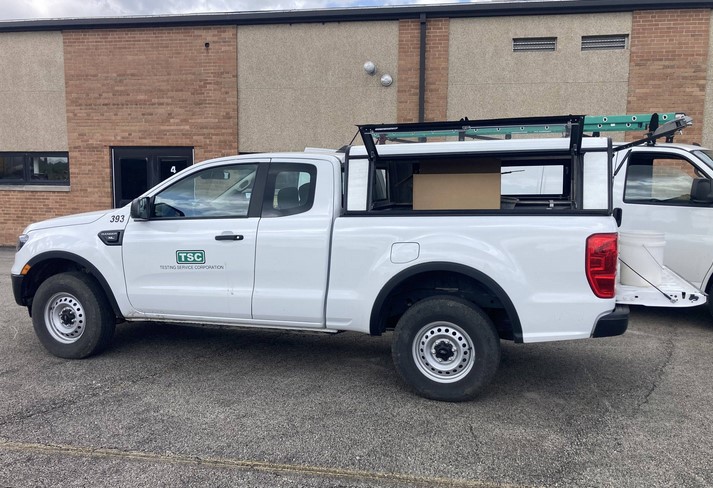
You arrive at a job site with a $60,000 heavy-duty truck, pull down the tailgate, and instantly realize that the one specialized tool you need is buried somewhere beneath a chaotic mountain of tangled extension cords, loose hardware, and heavy fuel cans. You spend the next twenty minutes digging, swearing, and losing billable project time. I have watched this exact scene play out hundreds of times on construction sites and utility yards. A factory-fresh pickup truck is an amazing piece of machinery, but until it is customized for your specific trade, it is just an oversized commuter car with an empty metal box in the back.
During my ten years optimizing commercial vehicle setups and working alongside fleet managers, I have learned that the secret to a profitable mobile operation is spatial efficiency. Learning how to upfit a work truck correctly can save an independent contractor up to several hours of wasted labor every single week. Upfitting transforms a generic vehicle into a highly organized, highly efficient rolling workshop where every tool has a home and safety is built directly into the chassis.
Whether you are an independent plumber setting up your first rig or a small business manager trying to build an efficient mobile service fleet, navigating the customization process requires a solid strategy. Let us dive deep into the ultimate truck upfitting blueprint.
The Strategy of Upfitting: Form Follows Function
Before you buy a single metal box or bolt down a heavy tool rack, you must understand the core philosophy of a commercial build.
Think of upfitting your vehicle like designing a professional restaurant kitchen. If the chef has to walk across the room to grab a knife or a frying pan, the kitchen slows down and food gets cold. A perfectly upfitted truck operates the exact same way. Your most frequently used diagnostic tools, safety gear, and hardware should always sit at the “golden perimeter”—meaning you can grab them within five seconds without crawling inside the truck bed.
From a technical perspective, a successful upfit breaks down into three key phases: layout optimization, electrical integration, and weight distribution.
The Best Customization Options for an Efficient Upfit
To build the ultimate mobile workspace, you need to combine structural storage with functional equipment. Here are the top-performing customization upgrades used by top-tier commercial fleets today.
1. The Core Foundation: Service Bodies and Flatbeds
If your trade requires hauling massive amounts of heavy equipment and diverse hardware, a standard factory truck bed will quickly show its limitations. Replacing that bed with a dedicated commercial body changes everything.
-
Service Bodies (Utility Beds): These replace your standard truck bed with a series of heavy-duty, lockable side compartments. This allows you to organize thousands of small parts in weather-sealed exterior cabinets while leaving the center aisle open for larger cargo.
-
Flatbeds and Platform Bodies: Ideal for heavy landscaping, masonry, or hauling bulky machinery. They offer completely uninhibited access from three sides, making loading with a forklift effortless.
2. High-Efficiency Interior Storage: Drawer Systems and Packouts
For those who want to keep their standard factory pickup bed but need industrial-grade organization, a heavy-duty modular drawer platform is the gold standard.
Systems like DECKED or custom steel packout drawers sit directly on your truck bed floor, lifting your cargo surface by about a foot. Beneath that surface lies a pair of massive, weatherproof drawers that slide out past your open tailgate. This setup allows you to store thousands of dollars in power tools securely out of sight while still allowing you to toss heavy ladders, plywood sheets, or a pallet right on top of the deck.
3. Power On-Demand: Auxiliary Battery Systems and Inverters
A modern mobile workstation requires continuous clean electrical energy to charge cordless tool batteries, run diagnostic laptops, or power heavy field equipment like air compressors and grinders.
-
Pure Sine Wave Inverters: Do not buy cheap modified sine wave units from a department store; they can easily destroy delicate lithium-ion tool chargers. A hardwired pure sine wave inverter delivers clean power that mimics a standard wall outlet.
-
Dual-Battery Isolators: Always install an auxiliary deep-cycle battery paired with an automatic isolator system. This setup ensures that your power tools drain energy from a secondary battery, leaving your primary starter battery completely untouched so you never get stranded with a dead engine on a remote job site.
Essential Upfitting Terminology: Speaking the Fleet Language
When consulting with a commercial truck upfitter or ordering custom components, you need to speak the language of structural safety:
-
Payload Capacity: The total weight your truck can legally carry (including the weight of the steel service body, tools, fuel, and the driver) before damaging the suspension.
-
Upfitter Switches: Factory-installed auxiliary dashboard switches linked directly to a vehicle’s central junction box, allowing you to cleanly wire up strobe lights, winches, or inverters without splicing into delicate factory wiring harnesses.
-
GVWR (Gross Vehicle Weight Rating): The maximum total operating weight of your vehicle as specified by the manufacturer’s engineering team.
-
Center of Gravity (CG): The mathematical point where the weight of your cargo balance is concentrated. Keeping your CG low and forward of the rear axle is critical for safe highway handling.
Expert Advice: The Hidden Danger of Left-Side Bias
Pro Tip: Watch Your Lateral Weight Distribution!
This is a critical hidden warning that inexperienced upfitters learn the hard way. When designing a truck layout, people naturally place all their heaviest toolboxes, air compressors, and steel drawers on the left driver’s side of the vehicle because it is the easiest side to access when stepping out of the cab.
This creates a severe structural imbalance known as left-side bias. Uneven lateral weight distribution puts constant, uneven stress on your truck’s left leaf springs, brake calipers, and tire sidewalls. Over time, your truck will begin to sag to one side, leading to erratic braking and dangerous body roll when taking sharp highway exit ramps. Always weigh your heavy equipment beforehand and balance the load evenly between the driver and passenger sides of the chassis.
Turn Your Truck into a Profit Center
Learning how to upfit a work truck correctly is a direct investment in your business’s daily productivity. By stepping away from a chaotic, unorganized truck bed and moving toward a calculated, trade-specific upfit, you instantly protect your expensive tools from weather damage, elevate your professional presentation to your clients, and keep your crew safe on the road.
Before ordering parts, drive your truck onto a local commercial scale fully fueled so you know your exact baseline weight before adding your custom layout.
What specific trade are you building your work truck for? Are you leaning toward a full utility service body swap or a stealthy drawer system inside your factory truck bed? Let me know your business goals or drop your technical upfitting questions in the comments below!