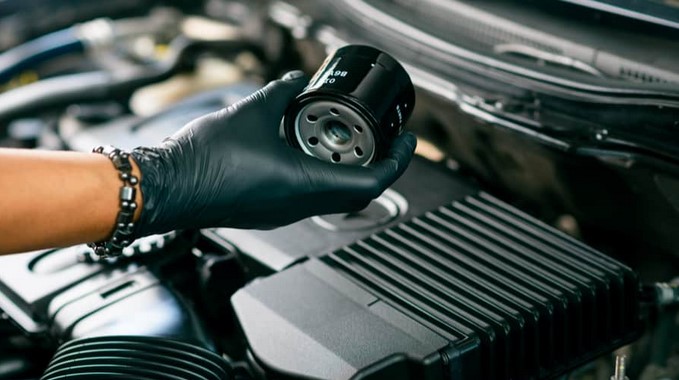
 Regular vehicle maintenance is essential for preserving engine performance and extending the life of your car, and one of the most important yet often overlooked tasks is Oil filter replacement. While many drivers focus on changing engine oil, the oil filter plays an equally critical role by trapping contaminants that can damage internal engine components. Understanding when and how to replace the oil filter empowers car owners to maintain engine efficiency, avoid costly repairs, and ensure reliable performance over time.
Why the Oil Filter Is Critical to Engine Health
The oil filter is designed to remove dirt, metal particles, carbon deposits, and other impurities from engine oil as it circulates through the engine. As the engine operates, friction between moving parts generates debris and heat. Clean oil reduces friction, but without a properly functioning filter, contaminants remain suspended in the oil and continue to circulate.
Over time, a clogged or worn oil filter becomes less effective. When this happens, dirty oil can bypass the filter or flow at reduced pressure, leading to increased engine wear. In extreme cases, insufficient filtration can result in sludge buildup, overheating, or even engine failure. This is why replacing the oil filter at recommended intervals is just as important as changing the oil itself.
Modern engines are built with tight tolerances and advanced materials that demand clean, consistent lubrication. High-performance and turbocharged engines are especially sensitive to oil quality. A fresh oil filter ensures optimal oil flow and protects critical components such as bearings, camshafts, and pistons from premature wear.
When and How Often Oil Filter Replacement Is Needed
Knowing when to replace the oil filter depends on several factors, including driving habits, engine type, and oil quality. In most cases, the oil filter should be replaced every time the engine oil is changed. This is because a new oil filter prevents old contaminants from mixing with fresh oil.
For vehicles using conventional oil, oil and filter changes are typically recommended every 3,000 to 5,000 miles. Vehicles using synthetic oil may extend intervals to 7,500 or even 10,000 miles, depending on manufacturer guidelines. However, even with longer oil change intervals, replacing the filter remains essential.
Driving conditions also influence replacement frequency. Vehicles driven in stop-and-go traffic, extreme temperatures, dusty environments, or for frequent short trips may require more frequent oil filter changes. These conditions accelerate contamination and reduce oil effectiveness.
Signs That the Oil Filter May Need Attention
Although oil filters are not always easy to inspect visually, there are warning signs that suggest a problem. A drop in oil pressure, engine knocking noises, or dirty oil appearing soon after an oil change may indicate a clogged or failing filter. In some cases, an illuminated oil pressure warning light can also signal restricted oil flow.
Ignoring these symptoms can lead to long-term engine damage. Regular replacement prevents these issues and supports consistent engine performance.
How Oil Filter Replacement Is Performed
Oil filter replacement is a straightforward process that can be performed by a professional technician or a knowledgeable car owner. The first step is ensuring the engine is off and slightly cooled to avoid burns. The vehicle may need to be lifted safely using a jack or ramps to access the oil filter, which is usually located near the bottom of the engine.
Before removing the old filter, a drain pan should be placed underneath to catch residual oil. The filter is then loosened using an oil filter wrench or by hand, depending on accessibility. Once removed, it is important to check that the old rubber gasket is not stuck to the engine, as this can cause leaks if left in place.
The new oil filter should be lightly lubricated with fresh oil on the gasket before installation. This ensures a proper seal and makes future removal easier. The filter is then installed hand-tight according to manufacturer specifications. Over-tightening can damage the gasket or housing, while under-tightening may result in leaks.
After replacing the filter and refilling the engine with the correct type and amount of oil, the engine should be started briefly to circulate the oil. The final step is checking for leaks and verifying the oil level.
Choosing a high-quality oil filter is equally important. Not all filters offer the same level of filtration efficiency or durability. Using filters recommended by the vehicle manufacturer or reputable aftermarket brands ensures proper fit and reliable performance.
Maintaining engine health does not require complex procedures, but it does demand consistency and attention to essential components. Oil filter replacement is a simple yet vital maintenance task that protects the engine from harmful contaminants and supports efficient lubrication. By replacing the oil filter at appropriate intervals, choosing quality parts, and following proper installation practices, car owners can extend engine life, improve reliability, and reduce long-term repair costs. Making Oil filter replacement a regular part of your vehicle care routine is a smart investment in performance and peace of mind.