Category Archives: Car Maintenance

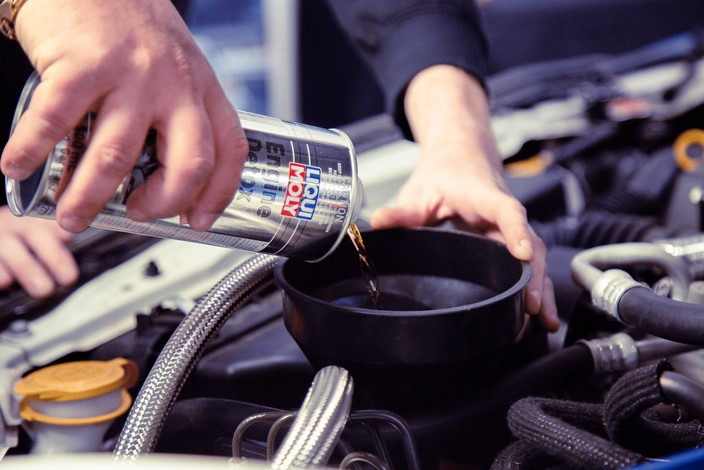
Best Engine Oil for High-Mileage Cars: Extend Your Engine’s Life

Source:https://di-uploads-pod21.dealerinspire.com

When it comes to maintaining the health and longevity of high-mileage vehicles, choosing the best engine oil for high-mileage cars is one of the most important decisions you can make. As a car ages and accumulates miles, its engine components undergo wear and tear, leading to issues such as oil leaks, burning oil, and increased friction. The right oil can play a significant role in minimizing these problems and improving your engine’s performance. In this article, we’ll guide you through how to select the best engine oil for high-mileage cars and why it’s crucial for extending your vehicle’s life.

1. Understanding High-Mileage Cars and Their Needs

High-mileage cars are generally those with over 75,000 miles on the odometer, although this threshold may vary depending on the manufacturer’s recommendations and the vehicle’s overall condition. As the engine components age, it becomes more vulnerable to stress from heat and friction. These factors can lead to a reduction in the overall efficiency of the engine, as well as an increase in oil consumption.

Subheading: Special Requirements of High-Mileage Engines

Unlike newer vehicles, older engines face a unique set of challenges, which include:

  • Increased wear and tear: Over time, the internal parts of the engine like pistons, valves, and camshafts wear down, leading to more friction and heat buildup.
  • Oil leaks: As the engine ages, seals and gaskets become brittle and may develop cracks, leading to oil leakage.
  • Burning oil: High-mileage engines may burn oil due to worn-out components like valve seals and piston rings.
  • Sludge build-up: With time, carbon deposits and sludge may accumulate in the engine, reducing its performance.

To combat these issues, high-mileage engine oils are specially formulated to cater to the needs of aging engines.

2. Key Features of the Best Engine Oil for High-Mileage Cars

When choosing the best engine oil for high-mileage cars, it’s essential to look for a few specific features that are designed to address the common issues faced by older engines.

Subheading: What to Look for in High-Mileage Engine Oils

  • Higher Viscosity: High-mileage oils tend to have a higher viscosity compared to conventional oils. This thicker oil helps to create a better seal in worn engine parts, reducing oil consumption and minimizing leaks. It also provides better protection under high-stress conditions.
  • Seal Conditioners: High-mileage oils are often infused with seal conditioners, which help rejuvenate and swell the rubber seals and gaskets in your engine. This helps to prevent leaks, which are common in older cars.
  • Anti-Wear Additives: The inclusion of anti-wear additives is crucial for high-mileage vehicles. These additives form a protective layer over engine components, reducing friction and helping to prevent further wear and tear.
  • Detergents and Dispersants: As engines age, they tend to accumulate sludge and carbon deposits. The best engine oil for high-mileage cars contains detergents and dispersants that help clean the engine and prevent the formation of harmful deposits. This ensures that the oil circulates smoothly and doesn’t get clogged.
  • Reduced Volatility: High-mileage oils are formulated to have lower volatility, meaning they are less likely to evaporate at higher temperatures. This can help reduce oil consumption, especially for engines that tend to burn oil.

3. Top Engine Oil Brands for High-Mileage Cars

Now that we’ve covered the essential features to look for in high-mileage engine oils, let’s explore some of the best brands that provide high-quality oils formulated for aging engines.

Subheading: Popular High-Mileage Engine Oils

  • Mobil 1 High Mileage Full Synthetic Motor Oil: Mobil 1 is a leading brand in synthetic engine oils, and their high-mileage version is no exception. It’s specially designed for engines with over 75,000 miles and contains seal conditioners to prevent leaks while helping to reduce oil burn-off. With its synthetic formula, it provides excellent wear protection, making it one of the best engine oils for high-mileage cars.
  • Castrol EDGE High Mileage Full Synthetic Oil: Castrol is another highly respected brand in the automotive industry. Their EDGE High Mileage Full Synthetic Oil offers advanced protection against engine wear and is designed for vehicles with over 75,000 miles. It contains fluid titanium technology, which improves the strength of the oil under extreme pressure, providing longer-lasting protection.
  • Valvoline High Mileage with MaxLife Technology: Valvoline’s MaxLife technology is formulated to address the specific needs of high-mileage engines. It includes conditioners to help prevent leaks, and its advanced additives protect against sludge, oxidation, and wear. It’s particularly well-suited for older vehicles that experience high levels of engine stress.
  • Royal Purple High Mileage Synthetic Motor Oil: Royal Purple is known for its high-performance oils, and its high-mileage synthetic motor oil is no exception. It offers superior protection against wear and tear while also providing excellent cleaning power to help reduce carbon build-up. Its high level of anti-wear agents makes it ideal for aging engines.
  • Mobil 1 High Mileage 10W-30 Full Synthetic Motor Oil: Another variation from Mobil 1, this 10W-30 formula is optimized for cars with high-mileage engines, providing protection against oil burn-off and helping to prevent the common problem of leaks. It’s a great choice for both old and aging engines that require extra care.

4. Changing Your Oil: Why It’s Even More Important for High-Mileage Cars

While choosing the best engine oil for high-mileage cars is vital, regular oil changes are equally important. As engines age, the oil can become contaminated more quickly with dirt, sludge, and metal particles, which can harm your engine’s performance.

Subheading: Importance of Timely Oil Changes

In high-mileage cars, regular oil changes help:

  • Reduce engine wear: Fresh oil replenishes the protective film over engine components, reducing friction and wear.
  • Maintain engine efficiency: Clean oil keeps your engine running at its best by improving fuel efficiency and ensuring smooth operation.
  • Prevent overheating: Oil helps to regulate engine temperatures. Old or contaminated oil can lead to overheating, which is a common cause of engine failure.

For high-mileage cars, it’s recommended to change your oil every 3,000 to 5,000 miles, depending on the type of oil used and the manufacturer’s recommendations. Be sure to check the oil level regularly and top it up if necessary.

In conclusion, choosing the best engine oil for high-mileage cars can significantly extend the life of your engine and ensure it continues running smoothly for years to come. By selecting a high-mileage formula that includes the right mix of additives, seal conditioners, and anti-wear agents, you can reduce oil leaks, improve performance, and keep your engine in top shape. Regular oil changes and using high-quality oil are key to ensuring that your aging engine stays reliable. Take the time to find the right oil for your car and enjoy the benefits of a longer-lasting, more efficient vehicle.

How to Prevent Rust on a Car: Protection Tips for Longevity

Source:https://rustcheck.com

Rust is a car owner’s worst enemy. Not only does it affect the appearance of your vehicle, but it also compromises its structural integrity and resale value. How to prevent rust on a car is a question that every driver should ask, especially if they live in regions where exposure to road salts, moisture, and harsh weather is common. Fortunately, preventing rust is not as complicated as it seems. By taking proactive steps to protect your car’s body and regularly maintaining key areas, you can ensure your vehicle remains rust-free for years to come. In this article, we will explore various methods and tips to protect your car from rust and maintain its longevity.

Why Rust Forms on a Car

The Science of Rust Formation

Rust forms when iron or steel reacts with oxygen and moisture, creating a chemical compound known as iron oxide. This process, also known as oxidation, is accelerated by factors like exposure to water, salt, and chemicals. For vehicles, this process typically begins when paint chips, scratches, or other damage exposes the metal body to the elements. Once the protective paint or coating is breached, the underlying metal becomes vulnerable to corrosion, especially in areas where moisture can accumulate, such as the wheel wells, undercarriage, and door panels.

Salt, commonly used on roads in colder climates during the winter months, is a significant contributor to rust. Salt accelerates the corrosion process by attracting and holding moisture against the car’s body, which in turn increases the rate of oxidation. If not addressed, rust can spread quickly, affecting not only the exterior appearance but also critical structural components, such as the frame and suspension.

High-Risk Areas for Rust

Certain areas of a car are more susceptible to rust. These include:

  • Undercarriage: The undercarriage of your car is constantly exposed to dirt, water, and road salts. Over time, this can cause rust to form in areas such as the exhaust system, suspension components, and the frame.
  • Wheel Wells: The wheel wells are another high-risk area since they often collect dirt, mud, and water. Even a small chip in the paint can lead to rust formation in these parts.
  • Door Jambs and Seals: Doors, windows, and seals are prone to wear, which can expose the metal to moisture. Improper sealing can trap water inside the door panels, which leads to rust.
  • Hood and Trunk Areas: Like the doors, the areas around the hood and trunk are vulnerable, especially in climates with heavy rainfall or snowfall. Any small crack in the paint can allow water to seep in and cause rust.

How to Prevent Rust on a Car: Practical Protection Tips

1. Regular Washing and Cleaning

One of the most important things you can do to prevent rust on a car is to regularly wash it, especially during the winter months. Road salts and grime can quickly accumulate on your car’s surface, and if left unwashed, they can lead to rust formation. This is particularly important for areas like the undercarriage, wheel wells, and areas under the door sills.

During the colder months, it’s essential to wash your car every few days if possible. Use a pressure washer to remove salt deposits, dirt, and other debris. Focus on the undercarriage, as this area is most exposed to harmful elements. For a deeper clean, use a car wash that also offers an underbody spray to wash away any accumulated dirt and salt.

2. Applying a Protective Coating

A key strategy in rust prevention is to apply a protective coating to your car. Many car owners opt for rust-proofing sprays or coatings that help to create a barrier between the metal and the elements. These products can be applied to the undercarriage, wheel wells, and any other areas that are prone to rust.

There are two main types of protective coatings:

  • Oil-based Rust Inhibitors: These sprays create a thin, oily film on the car’s body that repels moisture and prevents rust from forming. They are often applied to the undercarriage, wheel wells, and door panels. While effective, oil-based treatments may require reapplication every year.
  • Rubberized Coatings: These coatings are thicker and more durable than oil-based products. They create a hard, rubber-like barrier that helps protect against both rust and physical damage. However, they can be more difficult to remove, which makes it important to use them carefully.

Many professionals recommend having a rust-proofing treatment applied annually, especially if your car is exposed to harsh weather conditions.

3. Touch Up Chips and Scratches Immediately

It’s inevitable that your car will get the occasional rock chip or scratch. However, it’s important to address these imperfections as soon as possible to prevent rust from forming. When the paint is chipped or scratched, it exposes the metal underneath, allowing moisture to reach the raw metal and begin the rusting process.

You can use touch-up paint kits, which are available for most car makes and models, to cover any small imperfections in the paint. By sealing these exposed areas with paint, you provide a protective barrier against moisture and prevent rust from setting in. Make sure to follow the instructions carefully and apply the paint in thin layers for the best results.

4. Regularly Inspect Drainage and Seals

Ensure that your car’s drainage systems and seals are functioning properly. Over time, seals around doors, windows, and the trunk can wear out, allowing moisture to seep into the interior and cause rust. Inspect rubber seals and gaskets regularly for cracks or damage and replace them if needed.

Additionally, check the car’s drainage channels to ensure they are clear of dirt and debris. Many cars have drainage holes in the door sills, windshield, and undercarriage that allow water to flow out. If these holes become clogged, water can accumulate and cause rust in hidden areas.

5. Use a Car Cover

If you live in an area with harsh weather conditions or frequently park your car outdoors, investing in a high-quality car cover can significantly help prevent rust. A car cover protects your vehicle from rain, snow, UV rays, and other environmental factors that contribute to rust formation. It’s especially important if you don’t have access to a garage or parking structure.

Choose a breathable car cover that allows moisture to escape while still providing a protective barrier. Avoid using plastic covers, as they can trap moisture against the car’s surface and actually contribute to rust formation.

6. Store Your Car in a Garage

When possible, store your car in a dry, enclosed space such as a garage. This prevents exposure to rain, snow, and ice, which are primary contributors to rust. If a garage is not available, try to park your car in a sheltered area to minimize exposure to the elements.

Knowing how to prevent rust on a car is essential for maintaining the longevity and appearance of your vehicle. By following these tips—regularly washing your car, applying protective coatings, touching up scratches, maintaining seals, and storing your car properly—you can prevent rust from forming and keep your vehicle looking great for years to come. Preventing rust isn’t a one-time task; it requires ongoing maintenance and care. With the right protection and attention, you can ensure that your car remains rust-free, preserving both its value and aesthetic appeal.

Best Spark Plugs: Boost Engine Performance with the Right Choice

Source:https://www.jbtools.com

When it comes to optimizing engine performance, many car owners overlook the importance of choosing the best spark plugs. Spark plugs are one of the most vital components in the ignition system of your vehicle, playing a crucial role in ensuring smooth engine operation, fuel efficiency, and overall performance. The right spark plug can significantly enhance engine power, reduce emissions, and improve fuel economy. In this article, we’ll explore how to choose the best spark plugs for your vehicle, the different types available, and the benefits of using high-quality spark plugs to maximize your engine’s potential.

Understanding Spark Plugs: What They Do for Your Engine

1. The Role of Spark Plugs

At the heart of your vehicle’s ignition system, spark plugs generate the spark needed to ignite the air-fuel mixture inside the engine’s cylinders. This spark is what ultimately powers the engine, allowing it to run. Without a functioning spark plug, the engine will fail to start or run erratically. Over time, spark plugs wear out, which can lead to poor engine performance, misfires, and increased fuel consumption.

A good spark plug ensures a consistent, strong spark that facilitates efficient combustion. This, in turn, results in smoother engine performance, better acceleration, and reduced emissions. Choosing the best spark plugs for your specific engine type and driving conditions can help you unlock your vehicle’s full potential.

2. Types of Spark Plugs

There are several different types of spark plugs, each designed for various applications and engine specifications. Understanding the differences will help you make an informed choice when selecting the best spark plugs for your vehicle.

  • Copper Spark Plugs: These are the most basic and affordable type. Copper spark plugs provide excellent conductivity but tend to wear out faster than other types. They are best suited for older vehicles or engines that require less power and efficiency.
  • Platinum Spark Plugs: Platinum spark plugs last longer than copper ones and offer better performance. They are ideal for vehicles that require improved fuel efficiency and smoother operation. Platinum plugs are more durable and can handle higher temperatures, making them a great choice for modern engines.
  • Iridium Spark Plugs: Iridium spark plugs are the most advanced type and offer the best performance and longevity. They provide the highest level of conductivity, efficiency, and spark consistency. Iridium spark plugs are known for their durability, as they last much longer than copper or platinum plugs. They are the best choice for high-performance vehicles or drivers who want to maximize fuel economy and engine power.
  • Double Platinum Spark Plugs: These feature platinum on both the center and ground electrodes, making them a more durable option than single platinum spark plugs. They are designed for vehicles with coil-on-plug systems, commonly found in newer models.

How to Choose the Best Spark Plugs for Your Vehicle

1. Consider Your Vehicle’s Engine Specifications

Every engine has its own unique requirements for spark plugs. When selecting the best spark plugs, you need to consider the engine’s design, the manufacturer’s recommendations, and the type of fuel you use. For example, a high-performance sports car might benefit from iridium spark plugs for superior performance, while an older model sedan might be better suited to copper plugs for cost-effectiveness.

Consult your vehicle’s owner’s manual to determine the spark plug specifications recommended by the manufacturer. This will include the right size, thread type, heat range, and material to ensure the spark plugs function optimally.

2. Assess Your Driving Habits and Conditions

The best spark plugs for your car also depend on your driving style and conditions. If you regularly drive in heavy traffic or short distances, your engine may operate in a more consistent, lower-temperature range, making platinum or iridium plugs a good choice for long-lasting performance. However, if you often drive in more extreme conditions, such as towing or off-roading, the best spark plugs will be those designed for high heat tolerance and reliability, such as iridium spark plugs.

Additionally, if you frequently drive at high speeds or need more power, opting for iridium or platinum spark plugs can provide the efficiency needed for those performance demands. On the other hand, for more casual or lower-mileage driving, copper plugs may suffice.

3. Check the Spark Plug Gap

Another important factor when choosing the best spark plugs is the spark plug gap. The gap refers to the space between the center and ground electrodes of the spark plug. A proper gap ensures that the spark is strong enough to ignite the fuel mixture while also minimizing wear on the electrodes. Most spark plugs come pre-gapped, but it’s always a good idea to check the gap with a spark plug gap tool to ensure it matches your vehicle’s specifications.

If the gap is too wide or too narrow, it can lead to poor ignition performance, misfires, or engine knocking. Maintaining the correct gap is crucial for ensuring the longevity and efficiency of your spark plugs.

Benefits of Using the Best Spark Plugs for Your Engine

1. Improved Engine Performance

The most noticeable benefit of using high-quality spark plugs is the improvement in engine performance. Spark plugs that provide a strong, consistent spark lead to more efficient combustion. This results in smoother engine operation, better throttle response, and increased acceleration. Iridium spark plugs, for example, help maintain optimal combustion efficiency, ensuring the engine performs at its best.

2. Better Fuel Efficiency

Another significant advantage of using the best spark plugs is improved fuel efficiency. A good spark plug ensures that the air-fuel mixture in the engine is ignited at the right time, leading to better combustion. This means your engine doesn’t have to work harder than necessary to produce power, reducing fuel consumption in the process. Over time, using high-quality spark plugs can save you money at the pump, making it a wise investment for those who want to maximize fuel economy.

3. Reduced Emissions

A well-functioning spark plug ensures that combustion occurs cleanly, reducing the number of unburned hydrocarbons in your vehicle’s exhaust system. This leads to lower emissions, which is especially important if you’re trying to minimize your vehicle’s environmental impact. Iridium spark plugs, with their superior spark consistency, are particularly effective at keeping emissions low while maintaining engine power.

4. Longer Engine Life

The best spark plugs can also extend the lifespan of your engine. Spark plugs that wear down quickly can lead to inefficient combustion, which may result in engine misfires or damage over time. High-quality spark plugs, like iridium or platinum, are more durable and can withstand higher temperatures, helping to reduce wear on the engine’s internal components. This, in turn, can extend the overall lifespan of the engine and reduce costly repairs down the line.

In conclusion, selecting the best spark plugs for your vehicle is crucial for maximizing engine performance, improving fuel efficiency, and extending the life of your engine. Whether you opt for copper, platinum, or iridium plugs, it’s essential to consider your vehicle’s specifications, your driving habits, and the conditions in which you drive. By choosing the right spark plugs and maintaining them properly, you can ensure that your engine operates at its peak, giving you a smoother, more efficient ride for years to come.

Luxury Car Maintenance Tips: How to Keep Your High-End Car in Top Shape

Source:https://equipelabeaume.ca

Owning a luxury car is not just about enjoying its superior performance and exquisite design—it also involves a commitment to maintaining its peak condition. Luxury cars, with their high-quality engineering and exclusive features, demand more than just regular maintenance. To keep them running smoothly and looking pristine, it’s essential to follow specific luxury car maintenance tips. Proper upkeep can ensure that your investment lasts longer, performs better, and retains its value over time. Whether you’ve recently acquired a high-end car or have been a proud owner for years, here are some essential tips to help you maintain your luxury vehicle in top shape.

1. Regularly Check and Change Fluids

Oil and Engine Fluids

One of the most important aspects of luxury car maintenance is ensuring that the engine runs smoothly. For this, regular oil changes are essential. Most high-end cars, especially those with high-performance engines, have strict oil change intervals that are crucial to follow. The oil quality you use is just as important as the change frequency. Always opt for high-grade synthetic oils, as they provide superior lubrication and protection for luxury car engines.

Additionally, don’t forget about other engine fluids like transmission fluid, brake fluid, and coolant. These fluids not only help in the smooth functioning of various car systems but also protect essential components from wear and corrosion. Check fluid levels regularly, and replace them as recommended by your car’s manufacturer.

Transmission Fluid and Differential Fluid

Transmission and differential fluids should also be changed periodically. These fluids are crucial for smooth shifting and maintaining the car’s overall performance. Luxury cars often have advanced transmission systems, and using the wrong fluid or neglecting fluid changes can lead to costly repairs. Consult your owner’s manual for specific recommendations regarding fluid types and change intervals.

2. Tire Care and Wheel Alignment

Tire Pressure and Tread Depth

The condition of your tires plays a vital role in your car’s performance and safety. Regular tire maintenance should include checking tire pressure at least once a month. Luxury cars often have sophisticated tire pressure monitoring systems (TPMS) to help with this, but it’s still advisable to double-check manually. Incorrect tire pressure can affect fuel efficiency, handling, and overall tire life.

Additionally, monitor your tire tread depth regularly. Uneven wear or a decrease in tread depth can signal problems like misalignment or suspension issues. If you notice unusual wear patterns, it may be time for a tire rotation or a more in-depth inspection. Always ensure your tires are the correct size and specifications for your luxury car to maintain its handling and performance.

Wheel Alignment and Suspension

Proper wheel alignment is critical for the safety and longevity of your luxury car. Misaligned wheels can cause uneven tire wear, reduce fuel efficiency, and lead to more serious suspension problems. Have your wheels aligned at least once a year, or more frequently if you notice the car pulling to one side while driving. Additionally, pay attention to the car’s suspension system, which ensures that you have a smooth ride and optimal performance. Regular suspension inspections will help you catch any issues early and avoid expensive repairs.

3. Exterior and Interior Care

Exterior Detailing and Protection

Luxury cars often have high-end paint finishes that need special care. Regular washing and waxing are essential to keep your car looking pristine. Use a high-quality, pH-balanced shampoo to clean the exterior without damaging the paint. After washing, apply a protective wax coating to create a barrier against environmental contaminants such as dirt, bird droppings, and tree sap.

A high-quality ceramic coating can also provide long-lasting protection against scratches and environmental elements. It’s a more advanced form of protection that luxury car owners often opt for to keep their vehicle looking like new.

Interior Care

Luxury cars come with fine materials such as leather, wood, and premium fabrics that require special care. Clean and condition the leather seats regularly using products designed for automotive leather. Avoid using household cleaners, as they can damage the leather or strip away protective coatings. Similarly, dust and vacuum the interior to keep the cabin looking fresh and free of debris.

Be mindful of the sun’s effects on your luxury car’s interior. Prolonged exposure to direct sunlight can fade the leather, dashboards, and other surfaces. Consider using sunshades to protect your car’s interior when it’s parked outside for extended periods.

In conclusion, adhering to luxury car maintenance tips is essential for keeping your high-end vehicle in optimal condition. Regularly checking fluid levels, maintaining tire care, and ensuring both exterior and interior upkeep will not only enhance your driving experience but will also preserve the value and performance of your luxury car for years to come. A little attention to detail and consistent maintenance can go a long way in protecting your investment and ensuring that your luxury car continues to deliver an exceptional performance for miles to come. Remember, a well-maintained luxury car is not just about aesthetics—it’s about preserving the experience that comes with owning one of the finest vehicles on the market.

Car AC Recharge: Step-by-Step Guide to Keeping Your AC Ice Cold

Source:https://www.liveabout.com

During the hot summer months, there’s nothing quite as essential in your car as a functioning air conditioning system. A cool, comfortable ride can make all the difference, whether you’re navigating through city traffic or taking a long road trip. However, like any other mechanical system in your vehicle, your car’s AC requires proper maintenance to ensure it works efficiently. One of the most important maintenance tasks is a Car AC recharge, which helps replenish the refrigerant needed for optimal cooling performance. In this step-by-step guide, we’ll explore everything you need to know about recharging your car’s air conditioning system to keep it ice cold and running smoothly.

1. Understanding the Need for a Car AC Recharge

Before diving into the Car AC recharge process, it’s crucial to understand why this service is necessary. Your car’s air conditioning system operates by circulating refrigerant (a coolant), which absorbs heat from the cabin air and releases it outside, making the air inside your car cool and comfortable. Over time, this refrigerant can leak or dissipate, reducing the effectiveness of your AC. If you notice your air conditioner isn’t blowing as cold as it used to, or it’s taking longer than usual to cool down, it may be time for a recharge.

Recharging your AC is not only about restoring the refrigerant, but it also helps maintain the system’s efficiency, prolongs its lifespan, and prevents costly repairs down the road. Performing a Car AC recharge is something many car owners can do themselves, provided they have the right tools and knowledge. It’s an easy task, but it requires a certain level of care and attention to ensure you don’t damage the system.

2. Tools You’ll Need for a Car AC Recharge

Before starting the process, it’s important to gather the necessary tools to perform a successful recharge. Here’s a list of what you’ll need:

1. Refrigerant Canister

The most important item you’ll need is a refrigerant canister, which contains the refrigerant needed to recharge your car’s AC system. There are different types of refrigerants, and your car will use one specific type. Most vehicles built after 1995 use R-134a refrigerant, though newer models may require R-1234yf refrigerant. Be sure to check your vehicle’s manual to know which one is compatible.

2. AC Recharge Kit

An AC recharge kit typically comes with a hose, gauge, and connector that attaches to the low-pressure service port of your AC system. This tool helps you monitor the pressure levels in the system and ensures you’re adding the correct amount of refrigerant. Many kits also come with step-by-step instructions to guide you through the process.

3. Pressure Gauge

To ensure you’re not overcharging the system with too much refrigerant, it’s essential to use a pressure gauge. The gauge will help you read the pressure in the system and guide you in adding the right amount of refrigerant.

4. Thermometer

To check the effectiveness of your AC after the recharge, a thermometer can help you measure the air temperature coming out of the vents. This ensures that the recharge has been successful and that your car’s AC is operating at optimal efficiency.

3. Step-by-Step Guide to Recharging Your Car AC

Now that you have the necessary tools, here is a step-by-step guide to help you with the Car AC recharge process.

1. Locate the Low-Pressure Service Port

The first step in recharging your car’s AC is locating the low-pressure service port. This is where you’ll connect the refrigerant canister. The low-pressure service port is usually located near the passenger side of the engine bay, between the compressor and the evaporator. It’s typically marked with a cap labeled “L” or with a blue or black color. Your vehicle’s manual can provide specific information about the port’s location.

2. Check the AC Pressure

Before adding refrigerant, it’s a good idea to check the current pressure in the AC system. Attach the gauge from the recharge kit to the low-pressure service port. Start your car and turn the AC to its maximum cooling setting. The pressure gauge will show you whether the system is undercharged (low pressure) or overcharged (high pressure). If the pressure is low, it’s time to begin the recharge process.

3. Connect the Refrigerant Canister

Once the pressure is checked and the system is confirmed to be low on refrigerant, it’s time to attach the refrigerant canister. Screw the refrigerant canister onto the hose connector from the recharge kit. Be sure to follow the instructions on the canister to ensure proper connection.

4. Begin the Recharge Process

With the refrigerant canister attached, you can begin the recharging process. Hold the canister upright and start slowly releasing the refrigerant into the system by squeezing the trigger. The gauge will help you monitor the pressure levels as you add refrigerant. You want to avoid overcharging the system, so stop when the pressure reaches the manufacturer’s recommended level, which is usually specified on the gauge or in your car’s manual.

5. Check the AC Performance

After you’ve added the refrigerant, remove the hose and close the low-pressure service port. Turn on the AC and let the system run for a few minutes. Use a thermometer to measure the air coming out of the vents. If the air is colder and the temperature has dropped significantly, you’ve successfully recharged your AC.

6. Test and Monitor

After the recharge, make sure to test your car’s AC system over the next few days to ensure it’s working properly. If you notice that the air isn’t as cold as it should be, or the system doesn’t seem to be cooling effectively, there may be an underlying issue such as a leak, in which case professional service would be required.

Recharging your car’s air conditioning system is an essential task that helps maintain its efficiency and longevity. A Car AC recharge can save you money and keep your vehicle comfortable throughout the hot months. By following the step-by-step guide above and using the right tools, you can easily recharge your car’s AC system on your own, ensuring a cool and comfortable ride for you and your passengers. However, if you’re unsure or the problem persists after a recharge, it’s always a good idea to seek professional help to ensure there are no underlying issues with your AC system.