You are accelerating down a highway slip road, merging with fast-moving traffic. You press the accelerator pedal down further, expecting a smooth surge of power. Instead, your engine suddenly roars with high RPMs, but the car refuses to accelerate. It feels as if your vehicle has suddenly dropped into neutral. Then, with a violent, metallic thud that shakes the entire chassis, the gear finally catches, sending a shudder up your spine.
During my ten years diagnosing complex mechanical failures on service lifts, I have watched countless car owners turn pale when confronted with gearbox issues. The transmission is the second most expensive component in your vehicle, right after the engine block. Yet, many drivers systematically ignore the early warning signs of a failing transmission, thinking a minor hesitation or a strange noise is just a harmless quirk of an aging car. By the time they finally book an appointment at a garage, a problem that could have been fixed with a cheap fluid flush has degenerated into a complete mechanical teardown.
Paying close attention to how your car shifts gears is the single best way to protect your wallet from a catastrophic repair bill. Let us break down the exact warning signs your gearbox uses to scream for help, and evaluate your real-world financial options when a component starts to fail.
The Mechanical Relay Race: How Your Transmission Operates
To understand the warning signs of a failing transmission, it helps to understand the physical job this complex machinery performs.
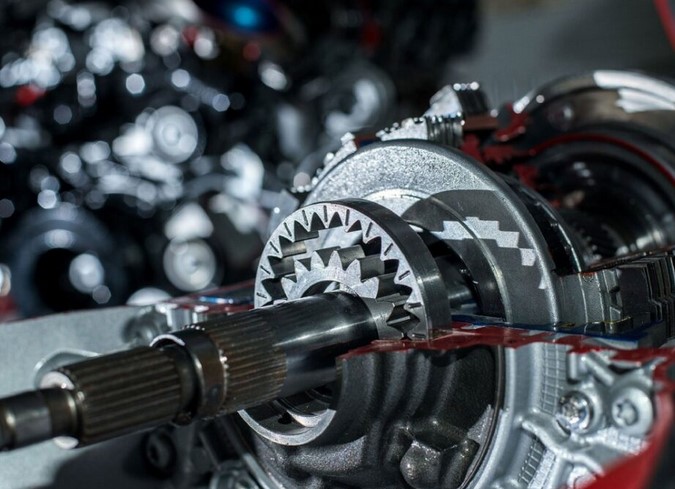
Think of your car’s engine like a world-class sprinter. It is incredibly powerful, but it can only run efficiently within a specific speed range. Your transmission acts like a mechanical bicycle gear system or a relay runner. It takes the raw, high-speed rotational energy from the engine crankshaft and transforms it into manageable torque at the drive wheels, allowing you to move smoothly whether you are crawling up a steep hill or cruising at 70 mph.
From a technical perspective, modern gearboxes fall into three primary categories, each with its own unique engineering vulnerabilities:
-
Traditional Automatic Transmissions: These rely on a complex network of hydraulic fluid channels, planetary gear sets, and wet clutch packs regulated by an electronic control unit.
-
Manual Transmissions: A purely mechanical system utilizing physical input shafts, sliding gears, and a foot-operated friction clutch assembly.
-
Continuously Variable Transmissions (CVTs): A system that ditches traditional gears entirely, utilizing a high-strength steel belt riding between two adjustable, cone-shaped pulleys to deliver infinitely variable gear ratios.
The Early Warning Signs of a Failing Transmission
When internal transmission components begin to wear down, they leave distinct auditory, physical, and chemical clues. Here are the primary symptoms you must never ignore.
1. Erratic Shifting, Slipping, or Hesitation
This is the classic symptom of a transmission in distress. Gear slipping occurs when the onboard computer commands a gear change, but the internal friction material cannot hold the mechanical load.
-
The Experience: You will notice your engine revving up high during a shift, but the vehicle’s forward momentum does not match the sound. In an automatic gearbox, you might experience a delayed engagement, where you shift from Park to Drive, and there is a terrifying two-to-three-second delay before the transmission physically clicks into place.
-
The Technical Cause: This typically points to low hydraulic line pressure, badly worn friction plates inside the clutch packs, or a failing torque converter that can no longer efficiently transfer fluid energy.
2. Strange Acoustic Noises: Whining, Clunking, or Humming
A healthy modern transmission operates almost completely silently. The moment you begin hearing localized mechanical noises beneath your floorboards, an internal component has crossed its wear limit.
-
The Sound Profiles: Automatic transmissions often emit a high-pitched, rhythmic whining sound that changes in pitch as you accelerate. Manual gearboxes will lean toward a harsh, mechanical grinding noise when shifting between specific gears. CVTs often produce a loud, drone-like humming or buzzing sound when the internal steel belt slips against the pulleys.
-
The Technical Cause: Whining often points to an oil pump starving for fluid or a clogged internal pickup filter. Grinding in a manual transmission indicates that the brass synchronizer rings are completely worn out, failing to match gear speeds before engagement.
3. Discolored, Burnt-Smelling Transmission Fluid
Your transmission fluid is the lifeblood of the entire assembly. Unlike engine oil, which naturally turns black over time due to combustion soot, transmission fluid operates in a sealed environment and should remain pristine.
-
The Visual Check: Pull your transmission dipstick (if your vehicle has one) and wipe the fluid onto a clean white paper towel. Fresh Automatic Transmission Fluid (ATF) should be a bright, translucent cherry red. If your fluid looks like dark chocolate or smells like burnt toast, your transmission is cooking itself from the inside out.
-
The Technical Cause: Excessive friction inside worn clutch packs generates massive thermal spikes, burning the fluid molecules and destroying their lubricating capability. Once the fluid is oxidized, it acts like sandpaper inside the hydraulic valve body.
Navigating the Repair Landscape: Your Financial Options
If your vehicle is displaying the signs of a failing transmission, you face a crucial crossroads. Depending on the depth of the damage, your repair options fall into four distinct categories.
Option A: Transmission Fluid Flush and Filter Service
This is the best-case scenario. If your shifting issues are minor and caught early, a simple fluid service can save the vehicle. A technician drops the transmission pan, replaces the clogged internal filter, inspects the pan magnet for metal shavings, and exchanges the old fluid for fresh OEM-specified lubricant.
-
Best Suited For: Early-stage hesitation, minor shifting roughness, or routine preventative maintenance.
Option B: Valve Body or Solenoid Replacement
Modern gearboxes use electronic solenoids—which act like digital water gates—to route pressurized fluid to specific gear channels. If a single solenoid burns out or gets stuck with debris, you will lose access to specific gears entirely. A technician can often replace the individual electronic valve body from beneath the car without removing the heavy transmission housing.
-
Best Suited For: Specific gear dropouts (e.g., losing just Reverse or 4th gear) while the rest of the transmission operates cleanly.
Option C: Remanufactured or Rebuilt Transmission
When internal mechanical components suffer major structural damage, the entire transmission must be removed from the vehicle. A rebuild involves a specialized technician completely dismantling your original gearbox, scrubbing the metal case, and replacing every single internal seal, clutch pack, gasket, and bearing. Alternatively, you can purchase a remanufactured unit straight from the factory, which comes pre-assembled with updated engineering fixes.
-
Best Suited For: Severely slipping gearboxes, heavy internal metal contamination, or high-mileage structural failures.
Option D: Sourcing a Used Transmission
If you are driving an older vehicle with a low market value, paying for a premium factory-remanufactured unit makes little financial sense. Sourcing a tested, low-mileage used transmission from a reputable vehicle salvage yard is a highly cost-effective alternative that can give an older commuter car a few more years of dependable service.
-
Best Suited For: Budget-conscious repairs on high-mileage, depreciated vehicles.
Expert Advice: The Sealed Transmission Fallacy
Pro Tip: Ignore the “Lifetime Fluid” Marketing Gimmick!
This is a critical warning that saves vehicle owners thousands of dollars in premature failures. Many modern automotive manufacturers have completely removed the transmission dipstick under the hood and proudly state in their service manuals that the gearbox is sealed for life, requiring zero fluid maintenance.
Do not fall into this trap. In the automotive corporate world, “lifetime” typically means until the factory powertrain warranty expires at 60,000 or 100,000 miles. Over time, high operating temperatures naturally shear down the fluid’s viscosity index, and microscopic friction material accumulates in the loop. For real-world mechanical longevity, have your transmission fluid and filter serviced every 50,000 to 60,000 miles, regardless of what the factory manual claims.
Act Fast to Protect Your Powertrain
A transmission failure can feel like an overwhelming financial burden, but ignoring the early physical warning signs will only guarantee a more expensive outcome. By monitoring your fluid quality, addressing erratic shifting behavior immediately, and adhering to strict mileage-based service intervals, you can ensure your vehicle’s mechanical relay race continues flawlessly for hundreds of thousands of miles.
Always verify the exact specification of transmission fluid required by your vehicle manufacturer before performing any top-up, as using the incorrect fluid type can destroy internal clutch materials within a few miles.
Has your car recently shown any strange hesitations or acoustic whines when shifting gears? Are you planning to check your transmission fluid quality this weekend? Let me know your vehicle’s symptoms or drop your technical questions in the comments below!