The Role of Fleet Vehicles in Small Business Operations
Managing transportation efficiently is a critical factor for many growing companies. Whether the business involves delivery services, field operations, construction work, or mobile services, having reliable vehicles can significantly impact productivity and customer satisfaction. Building a Small business fleet allows companies to streamline logistics, improve operational efficiency, and maintain greater control over transportation costs.
For small businesses, fleet vehicles serve as more than just transportation tools. They become an extension of the company’s operational infrastructure. Delivery companies rely on fleet vehicles to ensure products reach customers on time, while service-based businesses depend on them to transport tools, equipment, and technicians to job sites.
Choosing the right vehicles for a fleet requires careful planning. Business owners must consider factors such as fuel efficiency, cargo capacity, reliability, maintenance costs, and overall durability. Selecting vehicles that match the company’s operational needs can help reduce expenses while improving service performance.
Additionally, fleet vehicles often act as mobile advertising platforms. Branded vehicles displaying company logos and contact information can increase brand visibility throughout the community. For many small businesses, a fleet not only supports logistics but also contributes to marketing and brand recognition.
Types of Vehicles Ideal for Small Business Fleets
Different industries require different types of vehicles. The best fleet choice depends on the type of goods being transported, the distance traveled, and the working environment. Several categories of vehicles are commonly used in small business fleets because of their versatility and reliability.
Choosing the Right Vehicle Category
1. Cargo Vans
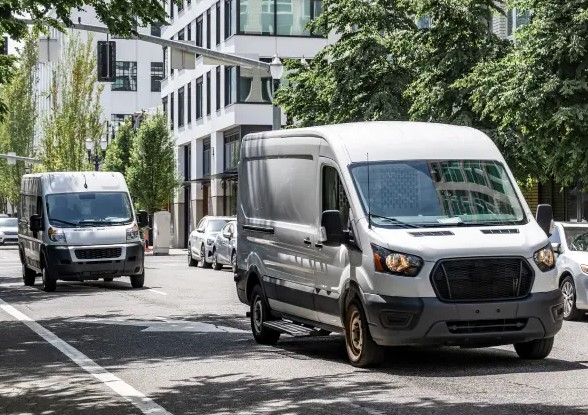
Cargo vans are one of the most popular choices for small businesses involved in delivery services, courier operations, and mobile repair services. These vehicles offer large enclosed cargo areas that protect goods and equipment from weather and theft.
Cargo vans are especially useful for businesses that require organized storage space. Many models can be customized with shelving systems, partitions, and tool racks to create a mobile workspace.
Their relatively compact size also allows drivers to navigate city streets and tight parking areas more easily than larger commercial trucks.
2. Pickup Trucks
Pickup trucks provide excellent versatility for businesses that need to transport tools, building materials, or heavy equipment. Industries such as construction, landscaping, and maintenance services often rely on pickup trucks because of their durability and towing capabilities.
Modern pickup trucks also offer advanced safety systems, comfortable cabins, and strong engines that can handle demanding workloads. Their open cargo beds make loading and unloading equipment quick and convenient.
For businesses operating in rural areas or rough terrain, four-wheel-drive pickup trucks can provide additional traction and stability.
3. Light Commercial Trucks
Light commercial trucks are ideal for businesses that require higher cargo capacity than vans or pickups can provide. These trucks are often used by moving companies, furniture delivery services, and larger logistics operations.
Box trucks, for example, provide a large enclosed cargo area with a flat loading floor. This design allows businesses to transport bulky or high-volume items efficiently.
Although these trucks require more space to operate, they are valuable assets for businesses that handle significant delivery loads.
4. Compact Cars for Service Teams
Not all businesses require large cargo vehicles. Companies that provide consulting services, inspections, or sales visits may benefit from smaller, fuel-efficient cars.
Compact vehicles reduce fuel expenses and are easier to maneuver in crowded urban environments. They also typically have lower maintenance costs compared to larger vehicles.
These cars are commonly used by field sales teams, insurance inspectors, and technicians who primarily travel between locations rather than transporting heavy equipment.
Key Factors to Consider When Building a Fleet
Selecting vehicles for a business fleet involves more than simply choosing the most affordable option. Several important factors must be evaluated to ensure the vehicles support long-term business success.
1. Fuel Efficiency
Fuel expenses can represent a significant portion of fleet operating costs. Choosing vehicles with strong fuel efficiency helps reduce ongoing expenses, particularly for businesses that operate daily deliveries or long-distance routes.
Hybrid and electric vehicles are also becoming increasingly popular in business fleets due to their lower fuel and maintenance costs.
2. Reliability and Durability
Fleet vehicles often operate under demanding conditions. Frequent driving, heavy loads, and long work hours can place stress on mechanical components.
Selecting vehicles with proven reliability records helps minimize downtime caused by mechanical issues. Regular maintenance schedules also help extend vehicle lifespan.
3. Maintenance and Service Costs
Routine maintenance is unavoidable for any vehicle, but some models are more expensive to maintain than others. Businesses should consider the availability of spare parts, service networks, and warranty coverage when selecting fleet vehicles.
Vehicles that require specialized or expensive parts may increase long-term operating costs.
4. Cargo and Storage Needs
The size and configuration of the cargo area should match the business’s operational requirements. Businesses that transport fragile goods may require enclosed cargo spaces, while companies moving construction materials may prefer open truck beds.
Properly matching cargo capacity to operational needs prevents inefficiencies and ensures drivers can complete their tasks effectively.
5. Driver Comfort and Safety
Drivers who spend many hours on the road benefit from comfortable seats, good visibility, and modern safety features. Vehicles equipped with advanced safety systems such as lane assistance, collision warning, and adaptive cruise control can help reduce accident risks.
Driver comfort also contributes to productivity, particularly for businesses with long delivery routes or frequent travel schedules.
Benefits of Managing a Business Fleet
Establishing a fleet offers several strategic advantages for small businesses seeking growth and operational efficiency.
Improved Operational Control
Having dedicated vehicles allows businesses to manage schedules, routes, and deliveries more effectively. Companies can respond to customer demands quickly without relying on third-party transportation providers.
Professional Brand Image
A well-maintained fleet with consistent branding enhances the company’s professional image. Customers often associate branded vehicles with reliability and established business operations.
Scalability for Business Growth
As businesses expand, fleets can be gradually increased to accommodate growing demand. Adding new vehicles allows companies to enter new markets, extend delivery coverage, and increase service capacity.
Enhanced Productivity
Fleet vehicles enable employees to perform their tasks more efficiently. Technicians, delivery drivers, and service teams can reach job locations faster and carry all necessary equipment with them.
Transportation plays a vital role in the success of many companies, especially those involved in logistics, delivery services, and field operations. Building a reliable fleet allows businesses to improve efficiency, reduce operational costs, and maintain greater control over daily activities. By carefully selecting vehicles based on reliability, fuel efficiency, cargo capacity, and driver comfort, companies can create a transportation system that supports long-term growth. A well-planned Small business fleet not only improves operational performance but also strengthens brand visibility and customer satisfaction, helping businesses operate more effectively in competitive markets.