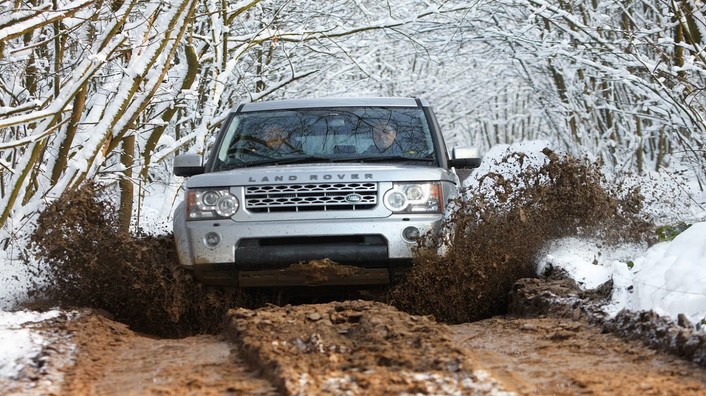
Driving in deep mud can be a thrilling adventure, but it also poses unique challenges that require careful consideration and the right skills. Whether you’re exploring off-road trails, participating in a muddy competition, or just dealing with unexpected weather conditions, knowing how to safely drive in deep mud is essential for both your safety and the health of your vehicle. Muddy terrain can easily lead to stuck vehicles, damaged parts, or worse, but with the right approach, you can conquer even the toughest mud bogs.
In this article, we’ll explore practical strategies for driving in deep mud, from the essential vehicle preparations to specific techniques that will help you avoid getting stuck and keep your off-roading experience safe and enjoyable.
Understanding the Challenges of Driving in Deep Mud
Mud presents a unique set of challenges that make it different from other off-road terrains. It’s slippery, unpredictable, and can quickly turn a fun off-road trip into a frustrating experience if not approached correctly. When you’re stuck in deep mud, your tires lose traction, and without the proper knowledge, you can easily find yourself in a situation that’s difficult to get out of.
Key Factors to Consider:
- Traction: In mud, your tires struggle to grip the surface, which can cause slippage and make it hard to move forward or backward.
- Vehicle Weight: A heavier vehicle can sink deeper into the mud, making it harder to escape.
- Mud Consistency: The thickness of the mud plays a large role—wet, sticky mud is far more challenging than loose or dry mud.
- Tire Pressure: Tires that are too inflated won’t provide enough surface area to float on top of the mud, leading to deeper sinking.
Being aware of these factors will help you better prepare for navigating through mud. Now, let’s dive into the key tips and techniques that will help you safely drive in deep mud.
Essential Tips for Driving in Deep Mud
1. Use the Right Tires for the Job
One of the most critical aspects of off-roading in deep mud is choosing the right tires. Off-road tires are specifically designed to provide traction on slippery and uneven surfaces, and mud tires are equipped with deep treads that help channel the mud away from the contact surface.
Why it Works:
- Mud tires have a more aggressive tread pattern that provides better grip in soft, slippery conditions.
- Wide, knobby tires help distribute the vehicle’s weight over a larger surface area, preventing the vehicle from sinking into the mud.
Before heading out, make sure your vehicle is equipped with tires designed for off-roading or mud-specific driving.
2. Lower Tire Pressure for Better Traction
Reducing tire pressure can significantly improve your ability to drive through deep mud. When the tire pressure is lower, the tire flattens out and provides a wider contact patch with the surface. This increased surface area helps you “float” over the mud rather than digging into it.
Why it Works:
- Lower tire pressure allows the tire to spread out more, creating a larger footprint.
- It reduces the chances of getting stuck, as the vehicle’s weight is distributed more evenly across the mud.
However, be cautious not to deflate the tires too much. A tire pressure of around 18 to 20 PSI is often recommended for off-road driving in muddy conditions.
3. Engage Four-Wheel Drive (4WD)
When driving in deep mud, the key to maintaining forward momentum is ensuring that all four wheels are powered. This is where four-wheel drive (4WD) comes in. If your vehicle has a 4WD system, make sure to engage it before you enter deep mud. This will allow you to distribute the engine’s power to all four wheels, giving you better traction and control.
Why it Works:
- 4WD allows the vehicle to drive with power on all four wheels, preventing one set of tires from spinning uselessly.
- It helps you power through deep ruts, muddy pits, and other challenging terrains.
If your vehicle doesn’t have 4WD, consider using a differential lock (if available) to engage both axles, making sure the front and rear tires turn at the same speed.
4. Maintain Steady, Controlled Speed
One of the most common mistakes when driving in deep mud is accelerating too quickly. While you might think that speed is necessary to get through the mud, excessive acceleration often leads to spinning tires and worsening the situation. Instead, maintaining a steady, moderate speed is the best approach.
Why it Works:
- A steady pace allows you to keep traction and avoid getting bogged down.
- Sudden accelerations or decelerations can cause your tires to lose grip, leaving you stuck in place.
Try to avoid jerky movements or fast starts. Focus on smooth and deliberate control of the accelerator to keep the tires from losing traction.
5. Use Momentum to Your Advantage
When tackling deep mud, momentum can be your best friend. Before entering a particularly deep or sticky patch of mud, try to build up some speed on solid ground. The momentum will help you power through the mud without getting bogged down.
Why it Works:
- Momentum helps carry your vehicle through deep sections of mud, reducing the chances of getting stuck.
- It allows you to move through difficult spots without needing excessive power, which can cause the tires to spin and dig into the ground.
However, it’s important to know when to slow down. If you accelerate too much, you could lose control of the vehicle, so use momentum carefully and control your speed.
6. Avoid Stopping in the Mud
Once you’re deep in the mud, try to avoid stopping, as it will be difficult to regain traction. If you must stop (for example, to adjust your gear or check something), do so as briefly as possible. Prolonged stopping can cause your tires to sink further, making it harder to continue driving.
Why it Works:
- Stopping can cause your vehicle to sink into the mud, making it harder to move forward.
- Maintaining forward motion prevents the vehicle from becoming stuck.
If you’re stuck, try to rock the vehicle back and forth by alternating between drive and reverse, gently applying the throttle. This technique helps to build momentum in the mud, allowing you to break free.
Additional Off-Road Survival Tips
Besides the basic driving techniques, there are a few other important tips to ensure your safety and success when driving in deep mud:
1. Carry Recovery Gear
When off-roading in deep mud, it’s always a good idea to carry recovery gear such as tow straps, a winch, and a shovel. If you do get stuck, these tools can help you get back on the road. Having a second vehicle with you can also be invaluable for recovery.
2. Check the Weather
Heavy rain can make roads and trails in muddy areas even worse. Before heading out, make sure to check the weather forecast to avoid driving in conditions that might be too dangerous.
3. Know Your Vehicle’s Limits
Every vehicle has a limit in terms of what it can handle in off-road conditions. Familiarize yourself with your car’s off-road capabilities to avoid pushing it too far beyond its design.
In conclusion, how to safely drive in deep mud is all about preparation, technique, and patience. By following the tips outlined in this article, such as using the right tires, lowering tire pressure, engaging 4WD, and maintaining momentum, you can greatly increase your chances of safely driving through challenging muddy terrain. Always remember to drive at a steady speed, avoid sudden movements, and bring along the necessary recovery gear to ensure your safety. With these strategies, you’ll be ready to handle even the deepest mud with confidence.